

Whole House Dehumidifiers in Glen Burnie, MD
For Glen Burnie homeowners, Tario HVAC provides an informative guide on whole-house dehumidifiers, focusing on when to install a ducted system, proper sizing based on square footage, ideal relative humidity (RH) targets, and common moisture sources. We cover various installation options and condensate management, energy considerations, and maintenance schedules, along with realistic performance expectations for our local climate. We highlight benefits such as mold reduction, improved comfort, and protected building materials, and specifically address common Glen Burnie issues like basement humidity and peak-summer loads. Tario HVAC emphasizes professional sizing and installation for lasting relief and optimal performance.
Whole House Dehumidifiers in Glen Burnie, MD
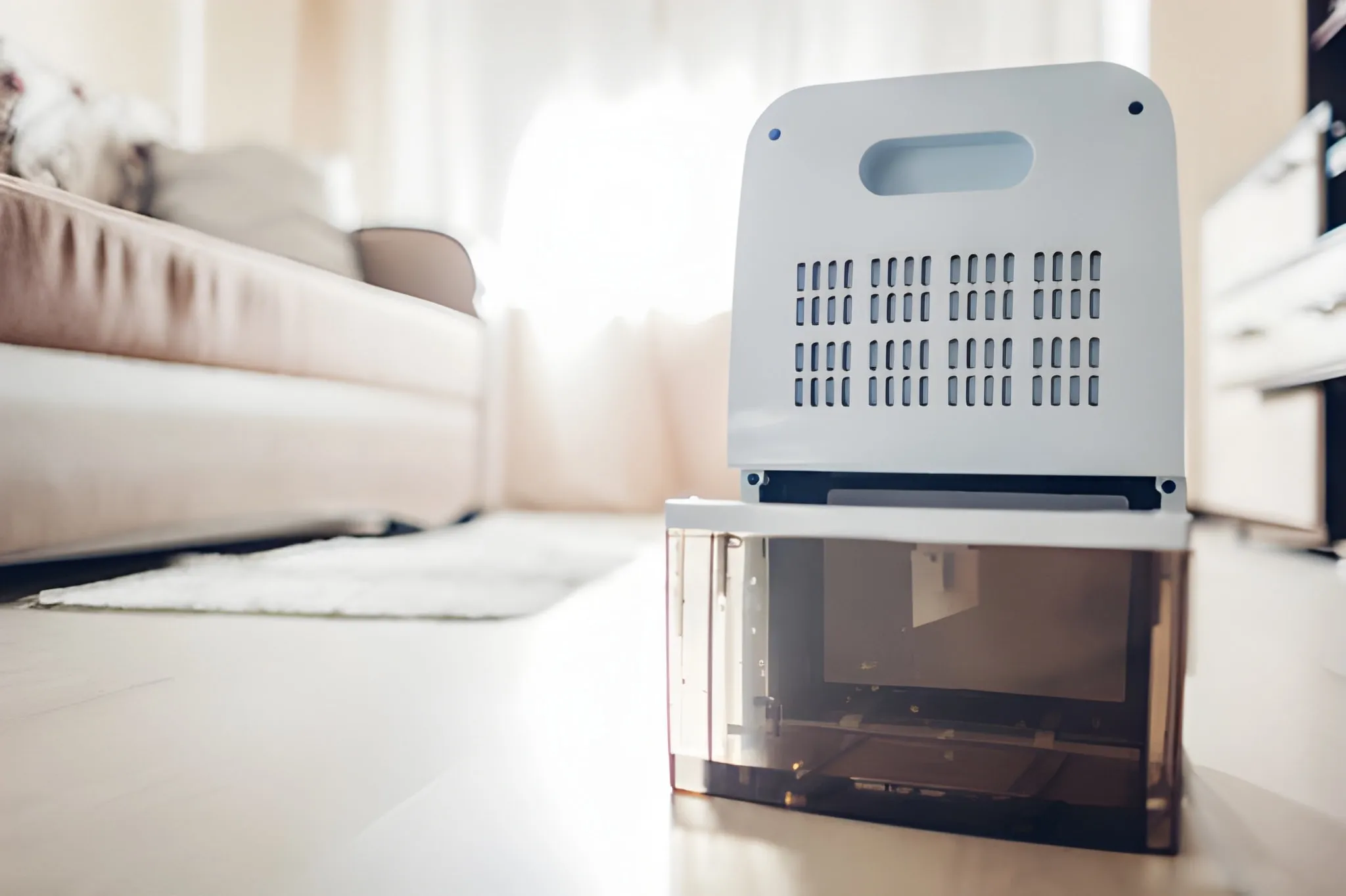
Keeping indoor humidity under control is one of the most effective ways to protect your home, improve indoor air quality, and reduce allergy and mold problems common to Glen Burnie, MD. Whole house dehumidifiers integrate with your existing HVAC system to manage moisture across every room, not just in a single portable dehumidifier's coverage area. This page explains when a ducted whole house dehumidifier is recommended, how systems are sized for Glen Burnie homes, installation and condensate management options, energy and maintenance considerations, and realistic performance expectations.
Why Glen Burnie homes need whole house dehumidification
Glen Burnie experiences humid summers and humidity influenced by proximity to the Chesapeake Bay. High indoor humidity leads to:
- Mold and mildew growth in basements, crawlspaces, closets, and bathrooms
- Musty odors and persistent damp smells
- Increased dust mite and allergen activity, aggravating respiratory issues
- Condensation on windows and cold surfaces that can damage finishes and woodwork
- Longer cooling system runtimes and higher energy use when your AC fights moisture
A whole house dehumidifier keeps relative humidity (RH) in a target range that reduces these risks while improving comfort.
When a ducted dehumidifier is recommended
A ducted (or integrated) whole house dehumidifier is the right choice when:
- Your home has central ducted HVAC and you want consistent humidity control in every room
- You have chronic basement, crawlspace, or attic humidity problems that portable units cannot reach
- You want to reduce mold, protect wood floors or instruments, or manage indoor air quality for allergy sufferers
- Portable units require frequent emptying or do not keep RH at healthy levels throughout the house
- You plan to combine dehumidification with HVAC filtration and ventilation for whole-home air quality management
Ducted units are installed inline with the return or supply ductwork so conditioned air is dehumidified before distribution.
Sizing a whole house dehumidifier for Glen Burnie homes
Correct sizing depends on three things: your home’s square footage, current indoor RH and desired setpoint, and moisture sources (occupants, cooking, showers, crawlspace dampness). Manufacturers rate dehumidifiers in pints per day (PPD) at a standard condition (typically 80F/60% RH). Because Glen Burnie summers can push indoor humidity higher, you may need a higher capacity than a dry-climate home.
Typical capacity guidance (general examples):
- Small homes or apartments (under 1,200 sq ft) with moderate humidity: 20 to 40 PPD
- Medium homes (1,200 to 2,400 sq ft) or homes with basements: 40 to 70 PPD
- Large homes or homes with high moisture loads (unfinished basements, many occupants, frequent moisture issues): 70 to 140+ PPD
A proper assessment should include a moisture load calculation that measures current RH in multiple areas and evaluates sources such as ventilation, water intrusion, and occupant activities. In Glen Burnie, it is common to size slightly up for summer peak loads to avoid undersized systems that run continuously.
Installation and condensate management
Ducted whole house dehumidifiers are typically installed in the HVAC return plenum, next to the air handler, or in a mechanical room with duct connections. Key installation considerations:
- Placement: Inside conditioned space or ductwork to avoid freezing or short cycling in cold weather
- Integration: Tie into the HVAC control system or use a dedicated humidistat/hygrostat for stable RH control
- Airflow: Ensure supply and return airflow matches manufacturer requirements to preserve HVAC performance
Condensate management options:
- Gravity drain to a floor drain or utility sink when the unit is lower than the outlet
- Condensate pump to lift drain water to a higher sanitary line or exterior discharge
- Tie into existing HVAC condensate line with proper traps and vents
- Provide a secondary safety drain or float switch to prevent overflow in high-moisture conditions
Installations must provide correct slope, trap installation to prevent backflow, and secure routing to prevent leaks and odors. Local plumbing or building codes may affect drain routing options.
Benefits beyond moisture removal
Whole house dehumidifiers in Glen Burnie provide more than lower RH:
- Mold and allergen reduction: Lower RH suppresses mold growth and dust mite populations, improving respiratory health and lowering allergy triggers
- Comfort improvement: Lower humidity makes air feel cooler, often allowing for slightly higher thermostat settings with the same comfort level
- Protect building materials: Reduced condensation protects paint, drywall, wooden floors, and structural materials
- HVAC efficiency: When humidity is controlled, air conditioning can dehumidify less aggressively, reducing strain and potential short-cycling
Energy considerations
Whole house dehumidifiers add electrical load but can improve overall home comfort cost-effectively when sized and controlled properly. Considerations include:
- Integration with HVAC controls or a dedicated dehumidistat reduces unnecessary run time
- Refrigerant-based units are most common and efficient at typical Glen Burnie temperatures; desiccant systems are used for specific low-temperature applications
- Proper insulation and sealing of ductwork reduces energy loss and improves system performance
- Smart controls or setback schedules help avoid continuous operation and reduce energy costs
Real operating cost varies by unit efficiency, local electricity rates, and how humid the home is. A correctly sized and controlled system often balances comfort gains with reasonable energy use.
Maintenance schedule and longevity
Routine maintenance keeps performance high and prevents failures:
- Every 1 to 3 months: Check and clean or replace any pre-filters; debris reduces airflow and efficiency
- Annually: Professional inspection of coils, condensate lines, electrical connections, and controls; clean coils if needed and verify airflow
- Every 3 to 5 years: Condensate pump service or replacement as pumps have a limited lifespan under frequent cycling
- As needed: Refrigerant checks or repairs if cooling performance drops
Typical service life for a whole house dehumidifier is 8 to 15 years depending on usage and maintenance. Regular maintenance also maintains manufacturer warranty compliance and consistent moisture control.
Performance expectations
After installation you should expect:
- Noticeable reduction in musty odors and damp feeling within days
- Stabilized indoor RH near the setpoint (commonly 45 to 50 percent RH for comfort and mold prevention)
- Reduced visible condensation on windows and cold surfaces
- Gradual reduction in mold growth and fewer allergy complaints as seasonal humidity is controlled
Performance varies by home tightness, moisture sources, and system sizing. Homes with active water intrusion or major unsealed crawlspaces may require additional remediation or more aggressive dehumidification.
Common issues and solutions specific to Glen Burnie
- Persistent basement humidity: Combine a ducted unit with basement encapsulation and proper exterior grading to address both moisture entry and interior humidity.
- High summer loads: Select higher capacity or units with variable-speed fans to handle peak Chesapeake Bay-influenced humidity without continuous run times.
- Drainage limitations: If gravity drain options are unavailable, use a reliable condensate pump and include a safety float to prevent overflows in humid months.
Whole house dehumidification is a long-term investment in comfort, home durability, and indoor air quality. For Glen Burnie homes facing seasonal humidity challenges, a properly sized and installed ducted dehumidifier delivers measurable reductions in mold, allergens, and moisture-related damage while improving year-round comfort.

Service areas