

Heat Pump Maintenance in Halethorpe, MD
Heat pump maintenance in Halethorpe, MD, provided by Tario HVAC, keeps systems efficient and reliable through seasonal tune-ups designed to prevent airflow issues, short cycling, ice buildup, and electrical faults. Our Tario HVAC technicians follow a detailed checklist-inspecting coils, calibrating thermostats, checking refrigerant levels, and thoroughly testing electrical components. You'll receive clear service plans, helpful scheduling guidance, and practical tips to protect your outdoor units and extend your system's life. With Tario HVAC's proactive care, tailored to local climate demands, Halethorpe residents enjoy lower energy bills, fewer breakdowns, and dependable comfort all year long.

Heat Pump Maintenance in Halethorpe, MD
Keeping your heat pump maintained is one of the most effective ways to protect comfort, reduce energy costs, and extend equipment life in Halethorpe homes. With humid summers and occasional cold snaps in the Baltimore area, heat pumps run year-round to heat and cool living spaces. Routine preventive maintenance addresses seasonal stresses, prevents common failures, and ensures your system performs reliably when you need it most.
Why regular heat pump maintenance matters in Halethorpe
- Humid summers increase run time and make coils and filters more prone to clogging, which reduces efficiency and can cause icing.
- Variable winter temperatures and intermittent freezes mean defrost cycles must operate properly to avoid compressor strain.
- Older neighborhood homes and compact HVAC spaces often hide access or duct issues that worsen without regular inspection. Regular maintenance preserves efficiency, lowers monthly energy use, reduces emergency repair risk, and helps your heat pump reach its expected service life.
Common heat pump issues in Halethorpe homes
- Reduced airflow from clogged filters and dirty coils, causing longer run times and uneven temperatures.
- Short cycling or frequent on/off cycles from improper refrigerant charge or faulty controls.
- Ice formation on the outdoor unit in cold weather due to dirty outdoor coils, low refrigerant, or defrost faults.
- Worn blower motors, belts, or bearings that lead to noisy operation and decreased airflow.
- Electrical problems such as loose connections, failing capacitors, or worn contactors that create intermittent operation or complete failure.
- Clogged condensate drains that cause water backups and indoor humidity problems.
Seasonal tune-up checklist (what we inspect and service)
A complete maintenance visit focuses on both indoor and outdoor components. Typical tasks included in a seasonal tune-up:
- Filter check and replacement or cleaning (recommended monthly visual check; replace every 1–3 months depending on filter type and home conditions)
- Outdoor coil cleaning and inspection to remove debris, leaves, and buildup that reduce heat transfer
- Indoor evaporator coil inspection and cleaning when accessible to restore airflow and heat exchange
- Refrigerant level verification and leak check-proper charge is crucial for efficiency and compressor health
- Compressor and reversing valve check to ensure reliable heating/cooling mode changes
- Motor, blower wheel, and belt inspection and lubrication where applicable
- Electrical system testing including contactors, capacitors, fuses, and wiring tightness
- Thermostat calibration and control checks to confirm accurate setpoints and proper communication
- Defrost cycle and sensors evaluation to prevent outdoor ice buildup in winter
- Condensate drain and pan cleaning to avoid clogs and microbial growth
- System performance test: measuring airflow, temperature split, and listening for abnormal noises
- Safety checks to verify proper operation of controls and switches
What to expect during a maintenance visit
During a typical maintenance visit you can expect a methodical inspection and safe, clean work:
- Technician confirmation of system model and service history, followed by safety isolation of the unit.
- Visual and hands-on inspection of indoor and outdoor units, filters, coils, electrical components, refrigerant fittings, and drainage.
- Cleaning tasks (filters, accessible coils, condensate lines) and lubrication of moving parts as required.
- Diagnostic measurements: motor amperage, temperature differentials, refrigerant status, and electrical continuity.
- Run test in both heating and cooling modes (seasonal) to observe normal operation and identify any intermittent faults.
- Written findings and straightforward, prioritized recommendations for repairs, parts replacement, or follow-up checks. Most maintenance visits take approximately 60–90 minutes depending on system accessibility and condition. Technicians should leave the work area clean and provide clear notes about any issues found.
Diagnostics and common solutions explained simply
- Low refrigerant: Usually indicates a leak. The correct solution is to locate and repair the leak, evacuate and vacuum the system if needed, then recharge with the manufacturer-specified refrigerant.
- Dirty coils or restricted airflow: Cleaning coils and replacing clogged filters typically restores heat transfer and reduces run time.
- Electrical failures: Tightening connections or replacing failing capacitors/contactors restores reliable starting and operation.
- Fan or blower issues: Replacing worn motors or balancing/cleaning blower wheels fixes noisy operation and restores proper airflow.
- Defrost problems: Adjusting defrost controls or replacing faulty sensors prevents outdoor icing and protects the compressor.
Maintenance plans and recommended frequency
For heat pumps, the most effective maintenance cadence balances peak-season preparation with ongoing care:
- Dual seasonal tune-ups (recommended): Spring service to prepare for heavy cooling loads and fall service to prepare for winter heating. This is the best approach for year-round reliability.
- Annual comprehensive inspection: For mild climates or newer systems that see lighter use, an annual comprehensive check may suffice, supplemented by frequent filter monitoring.
- Monthly homeowner checks: Visual filter checks and keeping the outdoor unit clear of debris between professional visits.
- Maintenance plan tiers often include scheduled tune-ups, priority scheduling for repairs, and documented service history that helps with warranty requirements and resale value. Plans may be tailored to equipment age, usage level, and home conditions.
How maintenance protects your investment
- Improved efficiency and lower energy use: Clean, well-tuned heat pumps run less while maintaining comfort, which reduces utility bills.
- Increased reliability and fewer emergency repairs: Small issues are found and fixed before they cause breakdowns.
- Longer equipment life: Routine lubrication, cleaning, and electrical checks reduce wear on expensive components.
- Better comfort and indoor air quality: Proper airflow and cleaned coils help reduce hot/cold spots and control humidity.
- Warranty preservation: Many manufacturer warranties require regular maintenance documentation to remain valid.
Quick homeowner tips for Halethorpe residents
- Replace or clean filters every 1–3 months, more often during high pollen season or if you have pets.
- Keep at least 2 feet of clearance around the outdoor unit and trim back leaves and grass regularly.
- Monitor thermostat settings and watch for short cycling, increased runtime, or unusual noises-these are early warning signs.
- Schedule professional inspections before major seasonal transitions to catch problems before peak demand.
Regular heat pump maintenance tailored to Halethorpe climate patterns reduces surprises and keeps your home comfortable year-round. Routine seasonal tune-ups, proactive filter care, and timely repairs are the simplest way to protect performance and extend the life of your system.

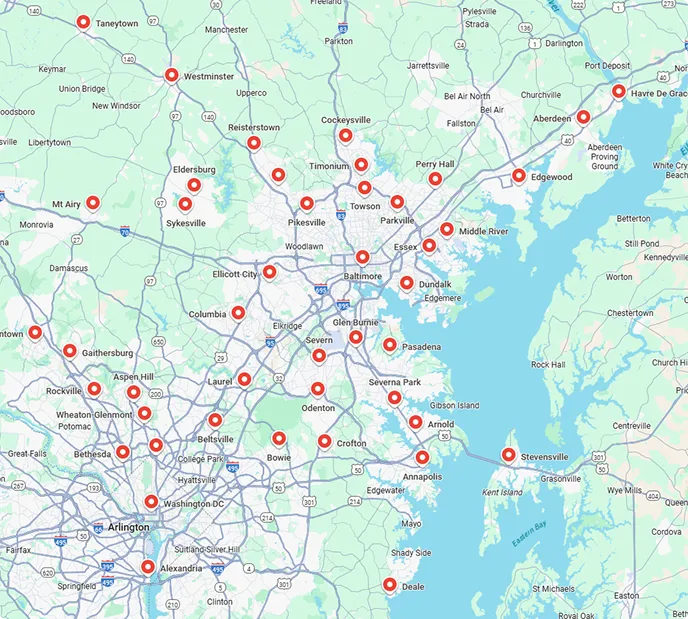
Service areas