

Furnace Repair in Halethorpe, MD
Halethorpe experiences cold, sometimes icy winters and fluctuating humidity in shoulder seasons. That combination accelerates wear on burners, venting, and electrical components. Delaying repairs can lead to bigger failures, reduced efficiency, higher energy bills, or safety hazards such as carbon monoxide leaks. Prompt diagnostic work from Tario HVAC preserves system life and keeps your home safe and comfortable.
.jpeg)
Furnace Repair in Halethorpe, MD
When your furnace struggles during a cold Maryland winter, the impact on comfort and safety is immediate. Furnace repair in Halethorpe, MD, addresses issues common to local homes - older systems, coastal humidity, and fuel types like natural gas - so you can restore reliable heat quickly and safely.
Common furnace problems and warning signs in Halethorpe
Homeowners in Halethorpe commonly report these issues:
- Intermittent or no heat: Unit runs but delivers little or no warm air.
- Short cycling: Furnace turns on and off frequently, often due to overheating, clogged filters, or a failing control board.
- Unusual noises: Rattling, banging, or squealing that can indicate loose components, motor failure, or gas ignition problems.
- Cold spots or inconsistent temperatures: Imbalanced airflow, duct leaks, or failing burners.
- High utility bills: Reduced efficiency from a worn heat exchanger, dirty burners, or poor thermostat calibration.
- Persistent odors: Musty, burning, or rotten-egg (gas) smells; any gas odor should be treated as an emergency.
- Pilot or ignition failures: Older pilot-light systems or modern electronic ignitors that fail to light the furnace.
Diagnostic process technicians use
A structured diagnostic approach isolates the root cause efficiently and safely. Typical steps include:
- Initial assessment and history: Technician asks about symptoms, how long the problem has existed, recent changes, and the furnace model and age.
- Thermostat checks: Verify thermostat settings, battery/power, wiring connections, and correct temperature calibration to ensure the control signal is accurate.
- Visual and safety inspection: Check vents, flue, combustion chamber, filters, and visible wiring for signs of wear, corrosion, debris, or blockages. For gas systems, technicians look for leaks and corrosion that can be exacerbated by Maryland’s humidity.
- Pilot/ignition inspection: For pilot-lit units, confirm pilot flame strength and cleanliness. For electronic ignition systems, test the ignitor and flame sensor for proper operation and cleanliness.
- Component testing: Use meters and diagnostic tools to test the blower motor, capacitors, relays, control boards, limit switches, pressure switches, gas valve, and transformer. Testing isolates electrical and mechanical failures.
- Combustion and CO testing: Measure combustion efficiency and check for carbon monoxide or improper venting — a critical safety step for gas furnaces.
- Airflow and duct evaluation: Assess blower speed, filters, and supply/return ducts to rule out airflow restrictions that cause short cycling or uneven heating.
Technicians will explain findings in plain terms and outline repair options based on safety, cost-effectiveness, and long-term performance.
Typical repairs and parts replacement
Common repairs performed following diagnostics include:
- Filter replacement and cleaning: Improves airflow and system efficiency.
- Ignitor or flame sensor replacement: Restores reliable ignition on high-efficiency and electronic systems.
- Blower motor repair or replacement: Fixes weak airflow or noisy operation.
- Control board and relay replacement: Addresses intermittent operation or failure to start.
- Gas valve repair or replacement: Ensures safe, consistent fuel flow.
- Heat exchanger assessment and replacement: If cracked or severely corroded, replacement is necessary for safety and efficiency.
- Burner cleaning and adjustment: Improves combustion efficiency and reduces soot buildup.
- Limit switch and thermostat calibration: Prevents overheating and short cycling.
- Vent and flue repairs: Corrects blockages or corrosion that affect draft and safety.
High-efficiency condensing furnaces also require checks of the condensate drain and trap; coastal humidity in Halethorpe can promote corrosion or clogging of these components.
Emergency repairs and expected response times
Emergency situations include complete loss of heat during freezing weather, strong gas odors, or carbon monoxide alarm activation. Typical response expectations are:
- Gas odor or CO alarm: Treated as immediate emergencies — evacuate the building and notify local emergency services or your gas utility as appropriate.
- No heat during severe cold: Emergency dispatches are prioritized; same-day or within-hours responses are common during extreme weather, though availability depends on local demand and technician schedules.
- Non-life-threatening failures (e.g., intermittent heat, noisy operation): Often handled with same-day or next-business-day appointments depending on technician workload.
Technicians typically provide an estimated arrival window and explain safety measures to minimize risks until they arrive.
Pricing considerations (what affects cost)
While exact prices vary, these factors influence repair cost and help you set expectations:
- Type and age of the furnace: Older units or specialty systems often require harder-to-find parts or more labor.
- Nature of the fault: Simple fixes like filter or sensor replacement are less intensive than heat exchanger or blower motor replacement.
- Parts and labor: Brand and availability of replacement parts, plus the complexity of the repair, impact total cost.
- Diagnostic time and safety testing: Thorough diagnostics and combustion safety testing are essential and factor into time on site.
- Local codes and permits: Major repairs or replacements may require permits or code-compliant venting changes.
- Accessibility: Units in tight spaces, attics, or crawlspaces increase labor time.
Keep records of model numbers and maintenance history to streamline diagnostics and reduce time on site.
Warranty and documentation to keep
Understand two common warranty types:
- Manufacturer warranty: Covers defects in parts such as heat exchangers, control boards, or motors for a specified period. Coverage varies by component and model.
- Labor warranty: Some service visits include a limited labor warranty on repairs performed. Terms and durations vary.
When repairs are done, request and retain documentation that includes the diagnosis, parts replaced (including part numbers), any testing performed (including CO and combustion results), and warranty terms for parts and labor. These records are valuable for future service, warranty claims, and resale value.
How to prepare when arranging furnace repair service
When arranging service, having the following ready speeds the process and ensures a productive visit:
- Furnace model and serial number, and approximate age of the unit.
- Clear description of symptoms and when they started.
- Recent maintenance history and any previous repairs.
- Accessibility details (location of the furnace, pets, gate codes, or parking constraints).
- Notes on any safety concerns (smell of gas, recent power surges, prior CO alarm activations).
- Preferred availability windows and whether heating is critical for vulnerable occupants.
Being prepared helps technicians diagnose faster and recommend the right solution for your Halethorpe home.

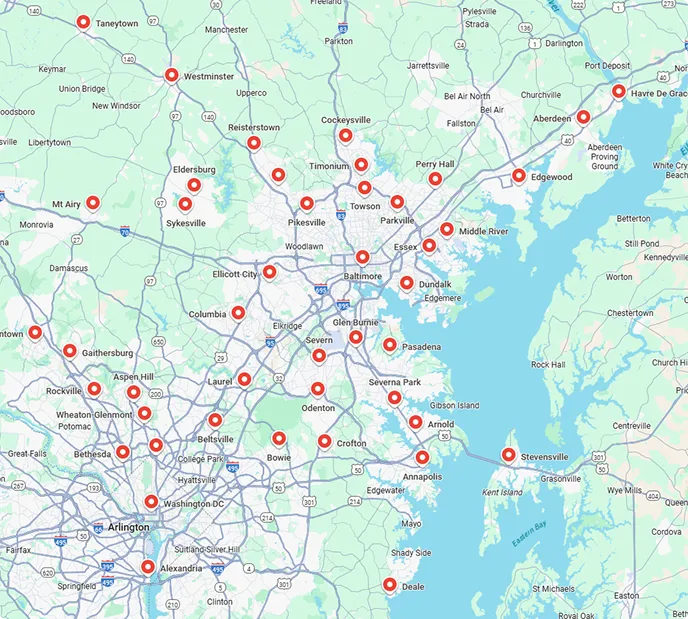
Service areas