

Indoor Air Quality Services in Halethorpe, MD
Indoor air quality is one of the easiest parts of home comfort to overlook until symptoms appear: persistent allergies, musty odors, or uneven heating and cooling. In Halethorpe, MD homes, seasonal humidity, pollen from nearby green spaces, and older ventilation systems increase the likelihood of elevated particulate matter, mold, and airborne allergens. Our Indoor Air Quality Services in Halethorpe, MD describe the comprehensive assessments and solutions homeowners need to restore healthy indoor air, reduce health risks, and protect property value.
.jpg)
Why indoor air quality matters in Halethorpe, MD
Halethorpe experiences humid summers and cold, damp winters. Those conditions promote mold growth in attics, basements, and ductwork. Proximity to urban traffic and light industrial areas can increase fine particulate infiltration. Older homes often have less-effective filtration and hidden dust or debris in supply and return ducts. Addressing IAQ here reduces respiratory irritation, lowers allergen loads, and helps prevent long-term moisture damage.
Common Indoor Air Quality Issues in Halethorpe
- Elevated dust and particulate matter from traffic, construction, and indoor sources
- Mold and mildew growth in basements, crawl spaces, and inside HVAC systems
- High indoor humidity in summer leading to condensation and dust mite proliferation
- Allergens such as pollen and pet dander tracked indoors
- Odors from cooking, pets, or nearby industrial activity
- Degraded or clogged filters and contaminated ductwork reducing system efficiency
Core Services Offered
- Comprehensive air quality assessments and testing
- Particulate counts, VOC screening, humidity mapping, and targeted mold testing where indicated
- Room-by-room IAQ profiling to identify hotspots and pollutant sources
- Duct inspection and cleaning
- Video inspection of supply and return runs to locate debris, mold, or leaks
- Professional cleaning of accessible ductwork using HEPA-filtered vacuums and agitation tools
- Filtration and purification system recommendations and installation
- High-efficiency HEPA filtration for particulate reduction
- UV germicidal lights for biological contaminant control in HVAC coils and air streams
- Activated carbon filters for odor and VOC reduction
- Humidity control solutions
- Dehumidifiers sized for basements and whole-house systems to maintain recommended indoor humidity (30-50%)
- Integrated humidification options for dry winter months to protect woodwork and reduce static
- Allergen and mold mitigation
- Localized mold remediation planning in coordination with test results
- HEPA-grade cleaning and targeted biocide applications when appropriate
- Source control recommendations (ventilation, moisture repairs)
- Routine maintenance plans
- Scheduled filter changes, system inspections, and follow-up IAQ testing to sustain improvements
- Seasonal tune-ups that address humidity, insulation, and airflow adjustments
Diagnostic Process - What To Expect
- Initial consultation and symptom review to understand occupant concerns and building history.
- Walk-through inspection of HVAC, visible ductwork, attics, crawl spaces, and high-risk areas.
- Instrument-based testing: particle counters, humidity sensors, and VOC samplers. If mold spores are suspected, targeted surface or air sampling is performed.
- Clear findings report that explains measured conditions in plain language, identifies pollutant sources, and ranks recommended interventions by impact and urgency.
- Customized solution plan with options for filtration upgrades, duct cleaning, humidity control, and remediation steps.
Filtration And Purification Explained
- HEPA filters: Capture 99.97% of particles down to 0.3 microns when properly integrated into whole-house systems or portable units. Best for pollen, dust, and many allergens.
- UV germicidal lights: Installed in the HVAC system to inactivate bacteria, viruses, and mold spores on coils and drain pans, reducing biological growth that can degrade air quality.
- Activated carbon: Targets odors, smoke, and volatile organic compounds that mechanical filters cannot remove.
Combining technologies often produces the best results: HEPA for particulates, activated carbon for gases, and UV to limit biological regrowth.
Duct Cleaning And Ventilation Improvements
Duct cleaning removes built-up dust, pet hair, and potential mold colonies that recirculate pollutants. Video inspections pinpoint sections that need work and reveal leaks that sap efficiency. Sealing and insulating duct runs, improving return-air balance, and ensuring adequate fresh air ventilation are common follow-up steps that extend system life and improve IAQ.
Humidity Management And Mold Prevention
Maintaining indoor humidity between 30 and 50 percent reduces dust mites and mold risk. In Halethorpe, whole-house dehumidifiers or targeted basement units are often recommended in summer months, while controlled humidification may be beneficial in winter to prevent cracked trim and static. Addressing the moisture source - plumbing leaks, poor drainage, or inadequate ventilation - is essential before or alongside treatment.
Routine Maintenance Plans
Scheduled maintenance keeps improvements consistent. Typical plans include seasonal HVAC inspections, filter replacements, annual duct checks, and periodic IAQ retesting after major interventions. Regular upkeep prevents recurrence of issues and preserves indoor comfort and appliance efficiency.
Health And Safety Benefits
Improved indoor air quality reduces allergy and asthma symptoms, lowers exposure to mold and airborne pathogens, and enhances overall comfort. For households with children, seniors, or immune-compromised occupants, the difference between average and improved IAQ can be significant. In addition, properly maintained systems run more efficiently, helping to avoid costly repairs that stem from neglected duct contamination or moisture-related damage.
Financing And Practical Considerations
Financing options commonly available in the industry include payment plans and equipment financing arranged through third-party lenders. Many homeowners prioritize phased approaches: start with a diagnostic assessment, address high-impact fixes like mold remediation or filtration upgrades, and enroll in a routine maintenance plan to protect the investment. Recommendations always factor in the home’s age, existing HVAC capacity, and seasonal humidity patterns typical of Halethorpe.
Long-Term Value
Addressing indoor air quality preserves home durability and occupant health. Regular assessment, timely cleaning of ducts, correct filtration, and humidity control combine to reduce allergens, prevent structural moisture problems, and improve HVAC performance. For Halethorpe homes, these measures align with local climate challenges and produce measurable comfort and safety gains.
Q: How long does a typical IAQ assessment take?
A: Most comprehensive assessments, including visual inspection and testing, take two to four hours depending on home size and number of sampling points.
Q: Will duct cleaning fix mold problems on its own?
A: Duct cleaning removes mold spores and contamination in ducts but complete mold remediation requires addressing the moisture source and often cleaning or repairing affected building materials.
Q: Are HEPA systems compatible with older HVAC units?
A: Many homes can incorporate high-efficiency filtration through retrofit solutions or portable units; compatibility assessments are done during the diagnostic phase to recommend the best option.
Q: How quickly will I notice an improvement after IAQ services?
A: Some improvements, like reduced odors and lower dust levels, can be noticeable within days; biological and humidity-related improvements may take longer as systems stabilize and remediation cures.
Q: Should I test for mold even if I do not see it?
A: Yes. Mold can grow in hidden areas like ductwork, crawl spaces, and behind drywall. Testing helps identify unseen problems before they affect health or structure.

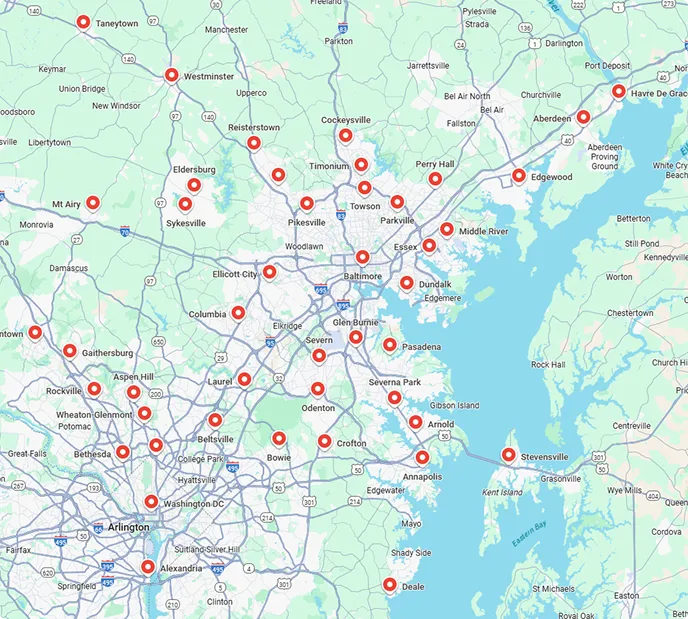
Service areas