

Furnace Maintenance in Halethorpe, MD
Keeping your furnace reliably heating your Halethorpe home through cold Maryland winters starts with proactive maintenance. Regular seasonal service from Tario HVAC prevents midwinter breakdowns, improves efficiency, extends equipment life, and reduces safety risks like carbon monoxide leaks. We'll explain what a professional furnace maintenance program covers, common furnace issues in Halethorpe homes, our step-by-step service process, available service agreement options, and how scheduling and reminders typically work.
Furnace Maintenance in Halethorpe, MD
Keeping your furnace reliably heating your Halethorpe home through cold Maryland winters starts with proactive maintenance. Regular seasonal service prevents midwinter breakdowns, improves efficiency, extends equipment life, and reduces safety risks like carbon monoxide leaks.
Why furnace maintenance matters in Halethorpe
Halethorpe experiences chilly winters and variable shoulder seasons where heat demand can spike unexpectedly. Homes here often have older systems or tight building envelopes that put extra strain on furnaces. Routine maintenance helps ensure:
- Reliable operation during sustained cold spells
- Optimal efficiency to lower energy use when heating is needed most
- Longer equipment life by preventing wear-related failures
- Improved safety through combustion and carbon monoxide checks
- Better indoor air quality via filter and blower maintenance
Common furnace issues in Halethorpe homes
- Clogged filters from seasonal pollen and indoor dust
- Reduced airflow due to dirty blowers or duct restrictions
- Ignition or pilot failures from wear or improper combustion
- Cracked or corroded heat exchangers (more critical in older units)
- Frequent cycling caused by thermostat or control problems
- Corrosion on outdoor vents or flue parts in areas with variable humidity
Seasonal furnace maintenance checklist
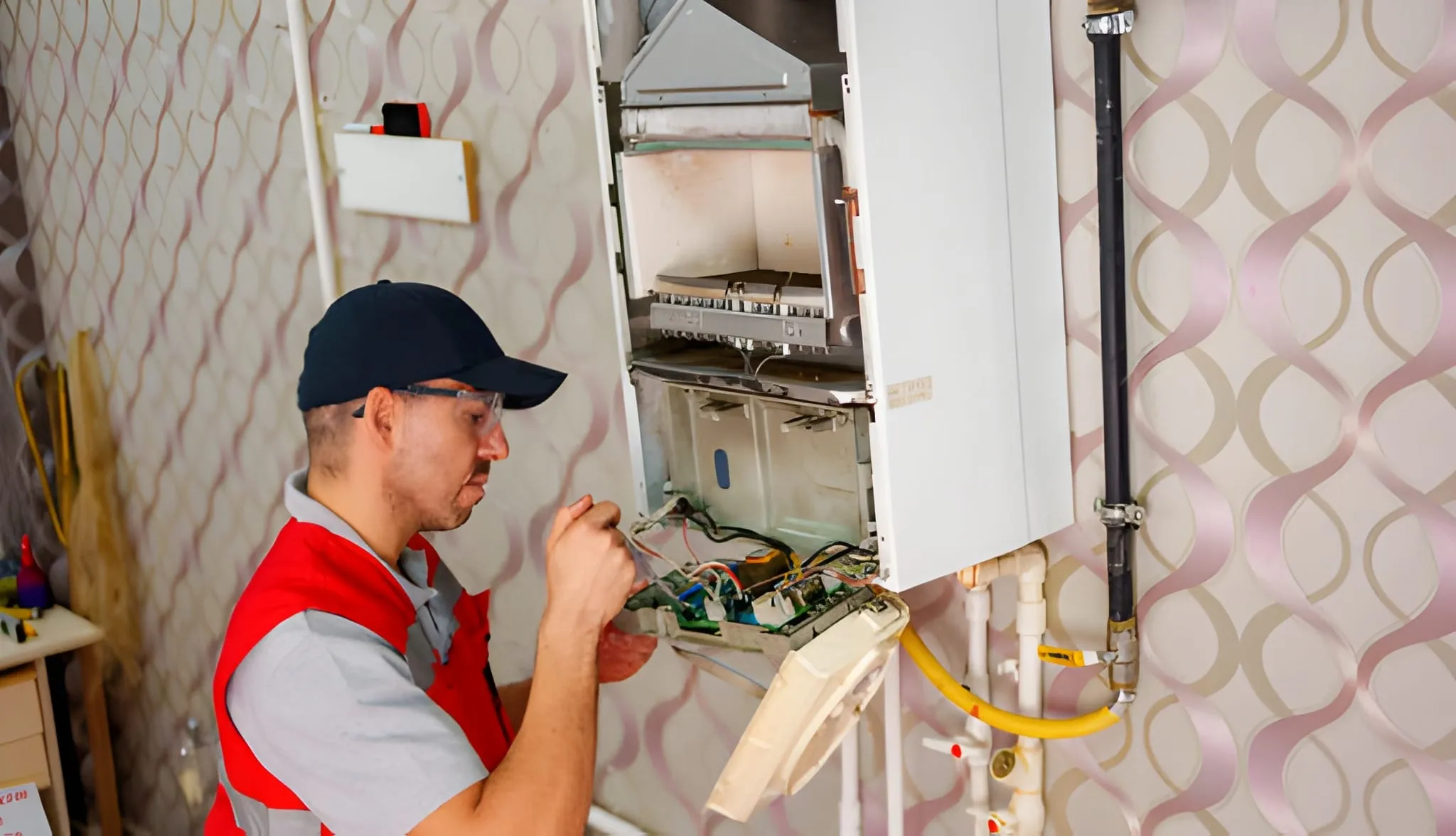
A professional seasonal tune-up follows a consistent checklist to cover safety, reliability, and efficiency. Typical tasks include:
- Filter replacement or inspection and recommendations for MERV ratings appropriate to your home
- Burner and heat-exchanger inspection for cracks, corrosion, and proper flame pattern
- Lubrication of motors and moving parts where applicable to reduce friction and wear
- Safety controls testing (limit switches, rollout switches, pressure switches)
- Efficiency tuning including burner adjustments and combustion analysis when needed
- Blower motor and belt inspection and cleaning of blower assembly
- Thermostat calibration and verification of proper cycling
- Venting and flue inspection to ensure safe exhaust and proper draft
- Electrical connections check and tightening of terminals
- Carbon monoxide test at the furnace and in critical living spaces as appropriate
What to expect during a maintenance visit
A typical maintenance visit is methodical and transparent:
- Technician arrival and system history review
- Visual inspection of the furnace and surrounding area
- Filter check and replacement if scheduled
- Start-up and observation of ignition and burner operation
- Measurements of combustion (when required) and adjustment for optimal efficiency
- Testing of safety controls and electrical components
- Cleaning of accessible components (burners, blower, condensate drains)
- Final operational test and technician notes on condition and recommended actions
Technicians will document findings and, if they identify issues that need repair, explain options and likely outcomes so you can decide how to proceed.
Diagnostic focus: safety first
In Maryland’s cold months, safety checks are non-negotiable. Furnace maintenance includes testing combustion and ventilation to detect incomplete combustion or flue blockages. A heat-exchanger inspection is a key step because a cracked exchanger can release combustion gases into the home. Carbon monoxide testing and verification of proper venting protect your household and ensure code-compliant operation.
Service agreement options (what to expect)
Homeowners typically choose from several maintenance plan structures based on needs and the number of systems in the home:
- Single seasonal tune-up - One comprehensive visit timed before the heating season
- Annual maintenance plan - Includes one scheduled fall visit, priority booking, and seasonal reminders
- Biannual plan - Heating tune-up plus a spring inspection for year-round performance (useful for homes with combined heating/cooling concerns)
- Multi-system coverage - One plan covering furnace(s), heat pump or boiler for whole-home simplicity
- Priority/repair protection - Plan holders receive expedited service scheduling and waived diagnostic fees for covered repairs
Plans generally outline what tasks are included each visit, expected documentation, and customer scheduling preferences. They are designed to make maintenance predictable and to reduce the chance of emergency repairs.
Scheduling and reminder information
Best practice in Halethorpe is to schedule furnace maintenance in late summer or early fall before sustained cold sets in. Many homeowners choose automatic reminders so tune-ups are not overlooked. Reminder programs commonly offer:
- Email and/or text notifications ahead of the scheduled season
- Flexible appointment windows to fit busy schedules
- Priority scheduling for plan members during peak demand periods
- Documentation and service records kept for warranty and resale needs
Benefits of timely maintenance
- Fewer unexpected breakdowns during cold spells
- Lower operational costs through improved combustion and airflow
- Reduced repair costs by catching wear early
- Preserved manufacturer warranties and improved resale value
- Peace of mind from verified safe operation
Maintenance for older furnaces
Older furnaces can often be kept reliable with consistent maintenance, but technicians will identify when recurring issues or declining efficiency indicate that replacement is more cost-effective. Maintenance helps you make informed decisions by tracking performance trends and repair history.
FAQs
Q: How often should I schedule furnace maintenance?
A: Annual maintenance before the heating season is standard; homes with heavier use or older equipment may benefit from biannual checks.
Q: How long does a maintenance visit typically take?
A: Most tune-ups take about 45 minutes to 90 minutes depending on system complexity and any diagnostic steps required.
Q: Will maintenance include safety testing for carbon monoxide?
A: Yes. Carbon monoxide testing and combustion checks are standard parts of a thorough furnace maintenance visit.
Q: If the technician finds a problem, will they fix it during the visit?
A: Many issues can be addressed immediately if parts are on hand; for larger repairs, a follow-up visit is usually arranged with clear explanations of options.
Q: Do maintenance plans include priority service?
A: Many maintenance agreements include priority scheduling and other conveniences to reduce wait times during busy periods.
Q: Can maintenance improve my heating bills?
A: Proper tuning, clean filters, and corrected airflow can improve efficiency and reduce fuel consumption, which helps lower heating costs over time.

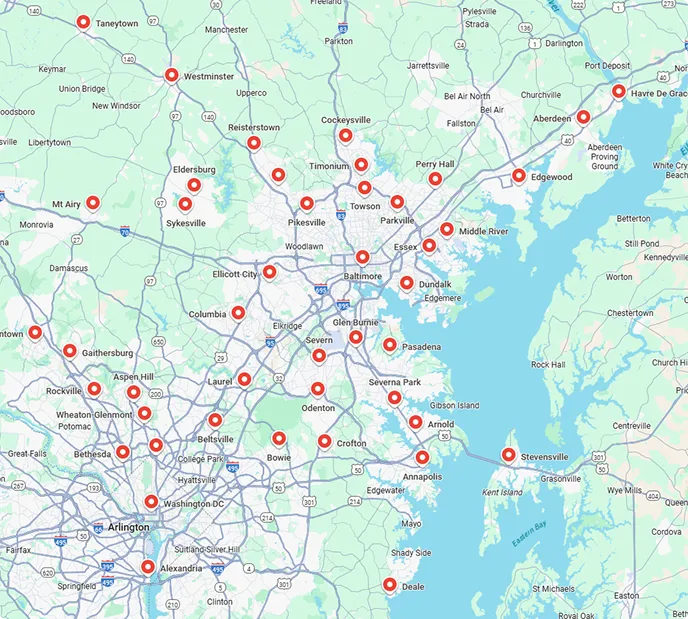
Service areas