



Furnace Tune-Up in Halethorpe, MD
A professional furnace tune-up from Tario HVAC keeps your heating system running safely, efficiently, and reliably through Halethorpe winters. With cold snaps common in Baltimore County and humid summers that can accelerate corrosion and dust buildup, preventive maintenance is one of the best ways to avoid unexpected breakdowns, high energy bills, and premature equipment replacement. We'll explain what a comprehensive furnace tune-up includes, common issues seen in Halethorpe homes, the diagnostic and service process, expected performance improvements, recommended frequency, and what membership-style maintenance plans typically provide.
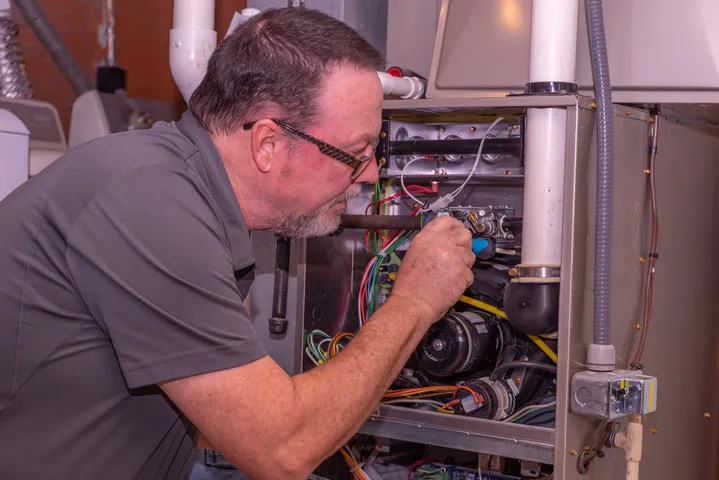
Furnace Tune-Up in Halethorpe, MD
A professional furnace tune-up keeps your heating system running safely, efficiently, and reliably through Halethorpe winters. With cold snaps common in Baltimore County and humid summers that can accelerate corrosion and dust buildup, preventive maintenance is one of the best ways to avoid unexpected breakdowns, high energy bills, and premature equipment replacement.
Why a furnace tune-up matters in Halethorpe homes
Halethorpe’s seasonal extremes and proximity to major roadways can lead to heavier dust, pollen, and airborne particulates that collect in vents and furnace components. Older homes typical of the area may also have aging ductwork and thermostats that need calibration. A tune-up addresses these local influences by restoring safe combustion, improving airflow, and optimizing controls so your heating system performs reliably when winter temperatures drop.
What a professional furnace tune-up includes
A full tune-up covers inspection, cleaning, adjustments, and testing of key components. Typical items included are:
- Cleaning burners and coils: Remove soot, debris, and deposits that reduce combustion efficiency and cause uneven heating.
- Checking ignition and safety controls: Verify that the ignition system, flame sensor, and safety switches operate correctly to prevent unsafe conditions.
- Calibration of gas pressure and combustion: Perform a combustion analysis to ensure proper air-to-fuel ratio, correct draft, and safe exhaust of combustion gases.
- Blower and duct airflow adjustments: Clean or inspect the blower wheel and motor, confirm adequate airflow, and check for restricted return or supply vents.
- Thermostat inspection and calibration: Verify thermostat accuracy, wiring integrity, and correct settings so the system runs only when needed.
- Filter inspection and recommendations: Assess filter condition and recommend appropriate MERV-level filters for indoor air quality given local pollen and dust levels.
- Safety and carbon monoxide checks: Test for CO levels, inspect flue piping and venting paths, and ensure all safety devices are functioning.
- Electrical and control system checks: Tighten connections, inspect capacitors and relays, and test the system startup/shutdown sequence.
- Diagnostic report: Provide documentation of findings, recommended repairs, and efficiency observations.
Common furnace problems in Halethorpe and why they happen
- Short cycling or frequent on/off cycles: Often caused by clogged filters, improper thermostat placement, or airflow restrictions common in older duct systems.
- Inconsistent heating or cold spots: Result of dirty burners, imbalanced ducts, or failing blower motors.
- Yellow or irregular burner flame: Indicates poor combustion, which a combustion analysis and calibration can correct.
- Increased energy use: Accumulated dirt, uncalibrated controls, or worn components lower efficiency and drive up fuel consumption.
- Unusual noises: Loose blower wheels, worn bearings, or failing mounts become more noticeable in dusty or vibration-prone installations.
Diagnostic and service process - what to expect
During a tune-up, technicians follow a systematic process to identify latent issues and verify system safety:
- Initial inspection: Review service history, visually inspect the furnace cabinet, vents, and accessible ductwork for obvious issues.
- Operational test: Run the furnace through a full heating cycle to observe behavior, ignition, flame characteristics, and airflow.
- Cleaning: Remove debris from burners, flame sensors, and accessible heat exchanger surfaces. Clean the blower assembly if needed.
- Combustion analysis and calibration: Use gas analysis tools to measure CO, O2, and draft, then adjust gas pressure and airflow for optimal combustion.
- Safety checks: Verify limit switches, pressure switches, and carbon monoxide detectors where applicable.
- Electrical and control testing: Confirm safe and reliable operation of ignition controls, thermostats, and safety interlocks.
- Documentation: Provide a clear summary of findings, any immediate repairs performed, and recommended follow-up maintenance.
A typical comprehensive service visit usually takes about 60 to 90 minutes depending on system accessibility and condition.
Expected improvements after a tune-up
A properly performed furnace tune-up delivers measurable and practical benefits:
- Better heating comfort with more consistent indoor temperatures
- Improved fuel efficiency and often lower monthly heating costs
- Fewer mid-season breakdowns and longer system lifespan
- Reduced risk of unsafe operation or elevated carbon monoxide exposure
- Cleaner indoor air with fewer particulates circulating through ducts
These improvements are especially valuable in Halethorpe, where seasonal weather swings make reliable heating essential.
Recommended frequency and membership maintenance options
- Annual tune-up: For most gas and electric furnaces, one preventive maintenance visit per year—preferably before the heating season—keeps systems in top condition.
- High-use or older systems: Homes with older furnaces, heavy particulate loads, or homes with indoor air quality concerns may benefit from semiannual checks.
Many homeowners choose ongoing maintenance plans or memberships that provide recurring inspections, prioritized service during peak season, and routine filter exchanges. Membership-style programs emphasize preventive care, documented service history, and reduced risk of surprise failures, which is useful in communities where quick response is important during cold weather.
Maintenance tips specific to Halethorpe
- Replace or check filters monthly during heavy-use months and after dusty or windy conditions common near major roads.
- Keep returns and supply vents unobstructed; furniture and drapes can restrict airflow and cause short cycling.
- If your home experiences high humidity in summer, watch for signs of corrosion or moisture near furnace components and vents.
- Confirm that exterior vent terminals and chimneys are clear of leaves and debris in fall.
Q: How often should I have a furnace tune-up?
A: Annual tune-ups before the heating season are recommended for most homes; older systems or homes with heavy dust exposure may benefit from more frequent checks.
Q: What are the signs my furnace needs a tune-up?
A: Signs include increased heating bills, uneven heating, unusual noises, frequent cycling, yellow burner flame, or recent weather events that increased dust and debris.
Q: Will a tune-up improve energy efficiency?
A: Yes. Cleaning, calibration, and airflow corrections typically improve combustion and blower efficiency, which reduces fuel use and operating costs.
Q: How long does a professional tune-up take?
A: A comprehensive tune-up generally takes 60 to 90 minutes depending on system complexity and access.
Q: What does a combustion analysis detect?
A: A combustion analysis checks oxygen and carbon monoxide levels, draft, and overall combustion efficiency to ensure safe and efficient fuel burning.
Q: What are the benefits of a membership maintenance plan?
A: Membership plans provide scheduled preventive service, documented records, seasonal priority scheduling, and routine inspections that help reduce the risk of unexpected failures.

Service areas
