



Whole House Dehumidifiers in Halethorpe, MD
Whole-house dehumidifiers for Halethorpe, MD, homes provide consistent humidity control to reduce mold, moisture damage, and comfort issues in damp environments. Tario HVAC can explain when to install one, how units are sized and integrated with existing HVAC ductwork, what to expect during installation, control options, maintenance, and the typical indoor air quality improvements you'll see after proper commissioning. We cover placement strategies, system configurations, and recommended humidity targets to help you maintain healthier indoor environments while improving comfort and energy efficiency year-round.
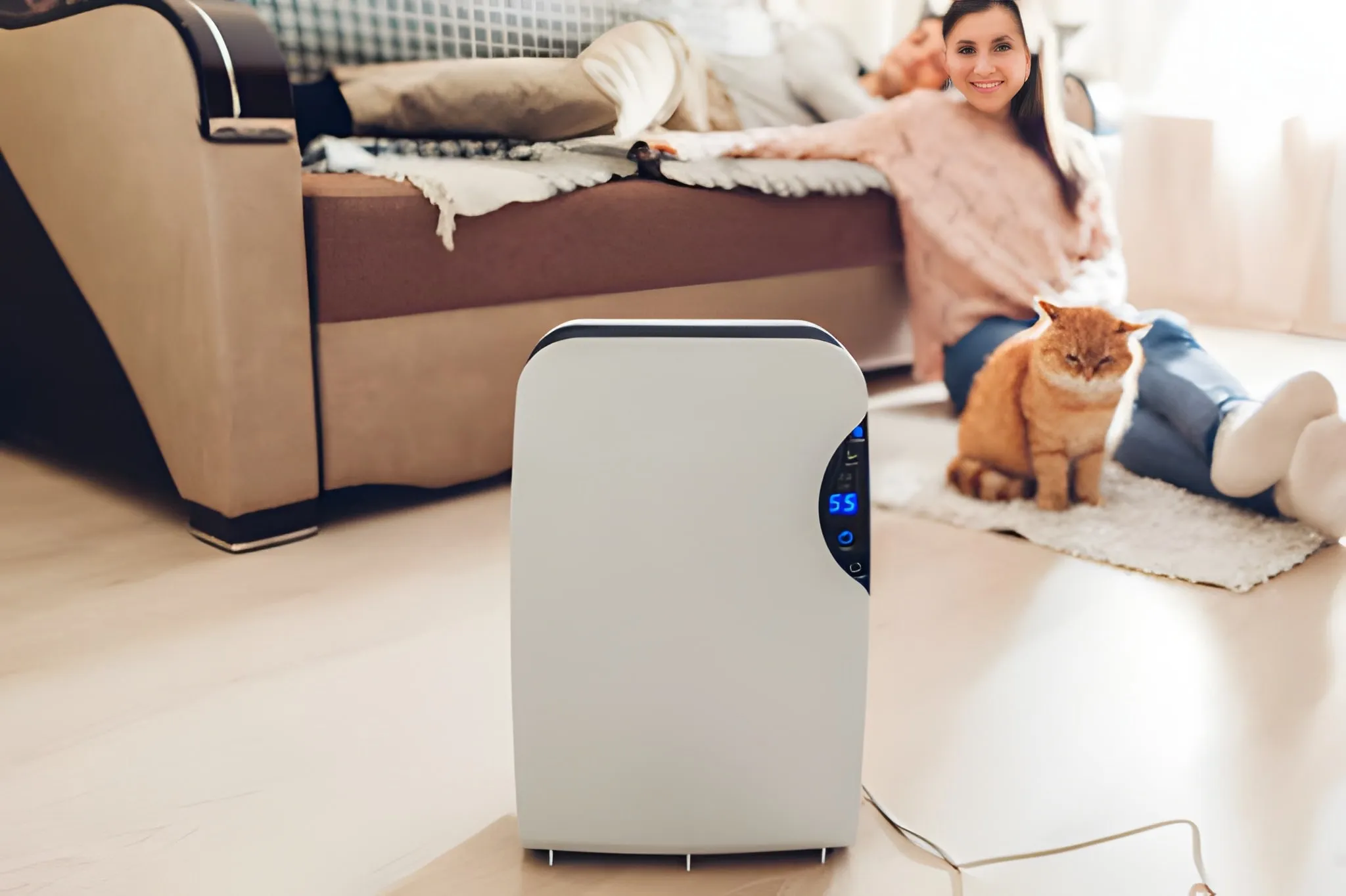
Whole House Dehumidifiers in Halethorpe, MD
High humidity is one of the most common indoor comfort and health problems in Halethorpe, MD. Summers here are warm and humid thanks to the Chesapeake Bay influence, and older homes with basements or limited ventilation can trap moisture year round. A properly installed whole-home dehumidifier reduces dampness evenly throughout your house, controls mold and mildew, protects finishes and belongings, and improves overall indoor air quality.
When a whole-home dehumidifier is recommended
Consider a whole-home dehumidifier in these situations:
- Persistent indoor humidity above 50 percent measured on multiple days, especially in the basement, lower levels, or finished crawl spaces.
- Visible or recurring mold, mildew, musty odors, or condensation on windows and pipes.
- Allergy or asthma symptoms that worsen indoors during humid months.
- New construction or renovations that raise moisture loads (e.g., concrete curing, fresh paint, new landscaping irrigation).
- Homes with HVAC systems that struggle to remove humidity during shoulder seasons when cooling cycles are infrequent.
- High-energy use from running multiple portable dehumidifiers that do not reach all rooms.
A whole-home unit is more effective than portable units because it conditions the entire ducted space and reduces humidity unevenness between rooms.
Benefits for mold and moisture control
Installing a whole-house dehumidifier provides several important benefits:
- Reduced mold growth: Keeping relative humidity at recommended levels stops mold colonies from forming on walls, ceilings, and stored items.
- Less condensation: Fewer wet windows, wet basements, and wet crawl spaces reduce structural moisture damage and paint failure.
- Improved comfort: Lower humidity makes indoor temperatures feel more comfortable, often allowing higher thermostat settings without sacrificing comfort.
- Better indoor air quality: Lower humidity reduces dust mite populations and some allergens tied to moisture.
- Preservation of materials: Wood floors, furniture, and electronics are less likely to warp, corrode, or deteriorate.
System sizing and placement
Proper sizing is critical for performance and efficiency. Sizing a whole-home dehumidifier involves:
- Measuring square footage and ceiling height to determine conditioned volume.
- Assessing humidity load sources such as occupants, cooking, bathing, attached garages, and crawlspaces.
- Evaluating construction details like insulation, air leakage, and basement finishing.
- Considering climate patterns in Halethorpe, where high summer humidity and occasional humid fall conditions require higher removal capacity.
Typical residential whole-house units are rated in pints per day. A professional load calculation will translate your home’s characteristics into the right capacity. Placement options include:
- Mounted in the HVAC mechanical room or closet, tied into the return or supply duct.
- Installed near the air handler for efficient integration.
- Exterior or garage adjacent placement when space or access is limited, but with careful freeze protection and condensate management.
Basements and crawl spaces often require special attention; sometimes a supplemental dehumidifier or targeted crawlspace unit is installed in combination with a whole-house system.
How units integrate with HVAC ductwork
Whole-house dehumidifiers can be integrated in several common ways:
- Return-air installation: The unit is installed in the return duct where it draws house air, removes moisture, and sends drier air back through the air handler for distribution.
- Supply-side integration: In some setups the unit connects to the supply duct to introduce conditioned, drier air directly.
- Bypass or branch installations: The unit conditions only a portion of airflow and relies on the air handler to mix and circulate conditioned air. This is common in retrofit situations.
Integration must preserve proper airflow and static pressure to avoid reducing HVAC efficiency. The dehumidifier’s condensate drain needs a reliable route to a floor drain, condensate pump, or dedicated drain line. Control wiring is tied to a humidistat or the home’s thermostat to coordinate dehumidification cycles with heating and cooling operations.
Installation process
A typical professional installation includes:
- Pre-install assessment: Measure humidity with data logging, inspect duct layout, and identify moisture sources.
- Sizing and equipment selection: Choose capacity based on load calculations and available space.
- Duct modification: Cut and adapt ducts for the unit, sealing connections to prevent air leakage.
- Condensate setup: Install drain line or condensate pump with a trap and overflow protection.
- Electrical and control wiring: Provide dedicated power and connect humidistat or integrate with the thermostat.
- Startup and commissioning: Verify airflow, confirm removal rates, calibrate controls, and test safety features.
- Customer orientation: Explain controls, recommended humidity settings, and maintenance needs.
Installation in Halethorpe requires attention to freeze protection if the unit or condensate lines are located in unconditioned spaces due to seasonal temperature variation.
Control options and recommended indoor humidity ranges
Control choices vary by system:
- Standalone humidistat: Simple on/off control to maintain a set humidity level.
- Integrated thermostat control: Coordinates dehumidification with HVAC cooling cycles for energy-efficient operation.
- Smart controls and Wi-Fi enabled humidistats: Allow remote monitoring, humidity scheduling, and alerts for condensate or filter issues.
Recommended indoor humidity ranges:
- Target 40 to 50 percent relative humidity during warm months in Halethorpe to limit mold growth and improve comfort.
- Avoid dropping below 30 percent in winter, which can cause dry air problems and discomfort.
- Seasonal adjustments may be needed; smart controls help maintain balance while minimizing energy use.
Maintenance and filter/coils care
Routine maintenance keeps performance high and prevents failures:
- Replace or clean the air filter every 3 months or per manufacturer guidelines. Some units use washable filters.
- Inspect and clean evaporator coils annually to prevent buildup that reduces capacity.
- Flush and inspect condensate drain lines and traps to prevent clogs and backups; clean more frequently in homes with heavy particulate or biological load.
- Check fans and motors for smooth operation and unusual noise.
- Verify control calibration and check for error codes seasonally.
A maintenance plan that includes annual inspection and coil cleaning is typical for maintaining peak efficiency and longevity.
Expected improvements to indoor air quality and comfort in Halethorpe homes
After proper installation and commissioning homeowners can expect:
- Noticeable reduction in musty odors and visible mold within weeks.
- More stable indoor temperatures and reduced need for overcooling to combat humidity.
- Fewer condensation issues on windows and cold surfaces.
- Reduced allergy symptoms related to dust mites and mold spores.
- Lower long-term risk of moisture-related damage to finishes, framing, and stored items.
Because Halethorpe experiences high summer humidity and variable year-round moisture, a whole-house dehumidifier is often the most reliable approach to consistent humidity control, energy-efficient comfort, and protecting health and property. Proper sizing, professional duct integration, and routine maintenance are the keys to getting the full benefits of whole-house dehumidification.

Service areas
