

Ventilation in Glen Burnie, MD
Ventilation in Glen Burnie, MD, is all about balanced, spot, and exhaust strategies designed to improve indoor air quality and control moisture in coastal-adapted homes. Tario HVAC specializes in whole-home ERV/HRV systems, various exhaust and supply options, and effective spot ventilation. Our process includes thorough assessment, careful system selection, precise installation, and consideration for energy recovery. We also guide you through maintenance needs and local code requirements, ensuring safe and efficient operation. Properly designed ventilation not only reduces mold risk and enhances comfort but also integrates seamlessly with your existing HVAC for reliable, long-term performance.
Ventilation in Glen Burnie, MD
Proper ventilation in Glen Burnie, MD is essential for healthy, comfortable homes. With humid summers, cold winters, and a coastal influence from the Chesapeake Bay, local houses face unique indoor air quality and moisture challenges. This page explains whole-home and spot ventilation options (ERV, HRV, mechanical exhaust, supply systems), how ventilation improves indoor air quality and moisture control, how systems are assessed and selected, what installation involves, energy recovery choices, maintenance needs, and code and compliance considerations specific to Glen Burnie homes.
Why ventilation matters in Glen Burnie, MD
- Humidity control: Summer humidity in Glen Burnie promotes mold, mildew, and condensation on surfaces. Proper ventilation helps control indoor moisture loads and reduces the risk of mold growth in basements, bathrooms, and attics.
- Seasonal comfort and energy: Cold winters create a need to ventilate without losing heat. Energy recovery ventilators (ERV) and heat recovery ventilators (HRV) recover energy from exhaust air to reduce heating and cooling penalties.
- Allergens and pollutants: Pollen, dust, VOCs from renovations, and indoor sources like cooking and cleaning products accumulate without adequate ventilation. Balanced systems dilute and remove contaminants.
- Combustion safety: Older Glen Burnie houses with combustion appliances need balanced ventilation to prevent backdrafting and unsafe spillage of combustion gases.
Common ventilation issues in Glen Burnie homes
- Persistent bathroom or basement mold and musty odors
- Condensation on windows and cold surfaces during winter
- High indoor humidity in summer despite air conditioning
- Stale indoor air and lingering cooking odors
- Back drafting from furnaces, water heaters, or fireplaces
- Inadequate kitchen range hood ventilation
Types of ventilation and where they work best
- Whole-home balanced ventilation (ERV or HRV)
Balanced systems supply fresh air and exhaust stale air at equal rates. HRVs transfer heat between outgoing and incoming air and are ideal when extreme cold is the primary concern. ERVs transfer both heat and moisture and are often better in Glen Burnie because summers are humid and ERVs help manage humidity transfer. - Exhaust-only systems
Mechanical exhaust (bathroom fans, whole-house exhaust) is cost-effective for removing moisture and pollutants but can depressurize the home and cause combustion spillage if not designed carefully. - Supply-only systems
Supply ventilation introduces filtered fresh air and can create slight positive pressure to keep outdoor pollutants out. Supply-only is useful where combustion appliances are not present or when pressurization is desired. - Spot ventilation
High-quality, exterior-vented kitchen range hoods, bathroom fans sized to the room, and laundry dryer vents target specific pollutant sources and should be part of any comprehensive strategy.
How assessment and system selection work
A practical assessment for Ventilation in Glen Burnie, MD typically includes:
- Home inspection for airtightness, existing ducts, and combustion appliances
- Moisture mapping of basements, crawlspaces, and attics
- Occupancy and activity analysis (family size, cooking frequency, renovations)
- Airflow testing and diagnostics (blower door where appropriate, duct leakage checks)
- Indoor air quality snapshot for humidity, CO2, and common pollutants
System selection follows assessment results and focuses on:
- House size and layout
- Existing HVAC integration possibilities
- Local climate factors (hot, humid summers; cold winters)
- Need for energy recovery (ERV recommended for Glen Burnie due to humidity control)
- Budget and retrofit constraints
Typical installation steps
- Design: determine balanced vs exhaust/supply, equipment capacity in CFM, duct layout, and controls
- Site preparation: determine intake and exhaust terminations, electrical runs, and space for unit
- Ductwork and mounting: install insulated duct runs where required, mount ERV/HRV in conditioned space or insulated enclosure
- Electrical and controls: hardwire unit, install timers, humidity or CO2 sensors, and connect to HVAC if needed
- Commissioning: airflow balancing, verify intake/exhaust locations meet clearance guidelines, check for backdrafting at combustion appliances
- User orientation: explain controls, seasonal settings, and maintenance procedures
Energy recovery options and seasonal considerations
- ERV (Energy Recovery Ventilator): Transfers heat and moisture between airstreams. In Glen Burnie, ERVs are often preferred since they reduce the humidity load entering the home in summer while recovering heat in winter.
- HRV (Heat Recovery Ventilator): Transfers sensible heat only. HRVs perform slightly better in very cold, dry winters but can increase indoor humidity in humid climates.
- Enthalpy cores: Advanced ERV cores transfer latent energy and work well in humid environments.
- Defrost and bypass controls: Essential for winter operation. HRV/ERV units designed for colder climates include defrost cycles or bypass dampers to prevent frost buildup.
- Integration with HVAC: Tying ventilation controls into the central HVAC system or using demand-controlled ventilation (humidity or CO2 sensors) optimizes comfort and energy use.
Maintenance requirements
- Replace or clean filters every 3 to 12 months depending on use and filter type
- Clean ERV/HRV cores annually or per manufacturer instructions to maintain efficiency
- Inspect and clean intake/exhaust grilles seasonally; clear away debris and snow
- Check fan operation and motor vibrations; lubricate where applicable
- Verify drainage and insulation around ducts in crawlspaces and attics to prevent condensation issues
- Watch for corrosion if the home is near salt air; choose corrosion-resistant components or sheltered installations
Code and compliance considerations in Glen Burnie, MD
- Follow ASHRAE 62.2 ventilation rate guidance for residential ventilation rates based on floor area and occupancy. These provisions are frequently referenced by Maryland and local jurisdictions.
- Verify local building code requirements for ventilation, exhaust terminations, and combustion appliance safety. Maryland codes may incorporate national standards and local amendments; local inspections are standard for new installations and major retrofits.
- Ensure exhaust terminations meet clearance requirements from windows, doors, and intake openings to avoid re-entrainment of exhausted air.
- Use equipment with appropriate listings and follow manufacturer installation instructions for compliance and warranty preservation.
- If integrating with combustion appliances, perform spillage testing after installation and adhere to venting and appliance separation rules.
Benefits of addressing ventilation now
Upgrading ventilation in Glen Burnie homes reduces moisture-related damage, improves indoor air quality, prevents mold and odor, and lowers long-term energy costs when using ERV/HRV technology. Properly designed systems improve occupant comfort year round, protect building materials, and meet modern code requirements for health and safety.
For Glen Burnie homeowners evaluating ventilation, the right approach balances moisture control, energy efficiency, and compatibility with existing HVAC systems. Thoughtful assessment and selection ensure measurable improvements in air quality and home durability.

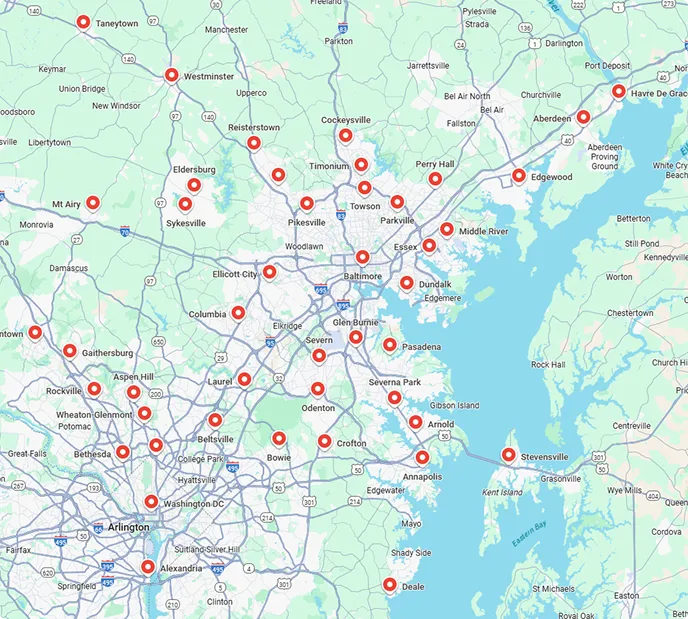
Service areas