

Furnace Installation in Halethorpe, MD
For homes in Halethorpe, MD, an efficient and properly installed furnace isn't just a convenience-it's vital for comfort and safety. Given our cold winters and the prevalence of older housing stock, Tario HVAC ensures that a correctly performed furnace installation can eliminate cold spots, significantly reduce utility costs, and guarantee safe operation, especially with existing natural gas lines and chimney systems. We'll outline our comprehensive furnace installation process, delve into common local concerns, cover permitting and code considerations, explain our commissioning steps, and detail our post-installation service and warranty options, so you'll know precisely what to expect when you choose us.
-min.webp)
Furnace Installation in Halethorpe, MD
An efficient, properly installed furnace is essential for comfort and safety in Halethorpe, MD homes. With cold winters and older housing stock common in the area, a correct furnace installation prevents cold spots, reduces utility costs, and ensures safe operation with natural gas lines and existing chimney systems.
Why proper furnace installation matters in Halethorpe, MD
Halethorpe experiences cold winters and humid summers that affect how heating equipment performs and how ducts behave. Many local homes have older duct systems, tight basements, or compact crawlspaces, which can create airflow restrictions or leaks. A correctly sized, code-compliant furnace with proper venting and airflow calibration:
- Lowers heating bills by operating at optimal efficiency
- Reduces the risk of carbon monoxide and combustion problems
- Extends equipment life and maintains warranty coverage
- Improves whole-house comfort and humidity control
Common furnace installation types and issues in Halethorpe, MD
- Replacement of an aging natural gas furnace with a high-efficiency condensing or non-condensing unit
- New furnace installation where homes previously used space heaters or boilers
- Conversion from oil or electric heat to natural gas
- Ductwork upgrades due to leaky, undersized, or poorly insulated ducts
- Venting and chimney modifications for direct vent or power-vent furnaces
Local installation challenges often include limited equipment access in older basements, the need to adapt to existing chimneys or sidewall venting, and coordinating gas service lines with Baltimore County regulations.
Home assessment and load calculations
A thorough installation starts with a home assessment and load calculation. Technicians perform a Manual J load calculation to determine the correct furnace capacity based on:
- Square footage, insulation levels, window types, and air infiltration
- Local design temperatures for Halethorpe winters
- Room-by-room heat loss to identify zoning or duct improvements
Right-sizing prevents oversizing that causes short cycling and inefficiency, and prevents undersizing that leaves rooms cold.
Ductwork and venting considerations
Proper duct and vent work is integral to performance:
- Duct inspection and airflow testing to identify leaks, crushed ducts, or insufficient returns
- Sealing and insulating ducts in unconditioned spaces to reduce heat loss
- Return air provisions and air filter location planning
- Venting selection based on furnace type: chimney liner for atmospheric venting, PVC for high-efficiency condensing units, or power venting where needed
- Draft safety and combustion air requirements for tight Halethorpe homes
Addressing ductwork during installation can have a noticeable impact on comfort and utility costs.
Gas and electrical hookups, code compliance, and permits
Installations involving gas or major electrical changes require permits and must meet local codes:
- Baltimore County and Maryland mechanical and fuel gas codes govern gas piping, venting, combustion air, and equipment clearances
- Permit acquisition and municipal inspections ensure work meets safety standards
- Pressure testing of gas lines, correct sizing of flexible connectors, and bonding/grounding of electrical circuits
- Installation of carbon monoxide detectors and adherence to exhaust and venting clearances
Technicians should coordinate inspections and provide documentation required for compliance.
Step-by-step installation and commissioning
A typical installation sequence includes:
- Pre-install preparation: site protection, removal plan for old equipment, and verifying clearances and service access
- Old unit removal and disposal following local regulations
- Rough-in mechanical, gas, and electrical hookups; duct modifications or replacements as required
- Mounting and securing the new furnace, connecting gas piping, condensate drains for condensing units, and proper venting
- Electrical connections, thermostat wiring, and control setup
- Initial startup and combustion analysis to verify proper gas pressure, flame quality, and safety controls
- Airflow balancing, measuring temperature rise across the heat exchanger, and register adjustments for even distribution
- Safety checks including CO testing, vent draft testing, and verifying limit switches and pressure switches operate correctly
Commissioning confirms the system is tuned to perform safely and efficiently for local climate conditions.
Post-installation testing and homeowner walkthrough
After commissioning, a clear user walkthrough is provided to explain:
- How the thermostat works and recommended setpoints for winter operation
- Filter types and filter change schedule, including MERV implications for airflow
- Location and operation of emergency shutoff valves and switches
- Signs of combustion or venting problems and CO safety procedures
- Basic maintenance tasks and what to expect during the first heating season
Documentation of system settings, measured performance numbers, and permit/inspection records should be provided.
Warranty and service options
Furnace installations typically include:
- Manufacturer warranties on heat exchangers and parts (varies by model)
- Optional labor warranties for installation work
- Recommended annual maintenance plans to preserve efficiency, detect issues early, and maintain warranty validity
Regular maintenance in Halethorpe, including pre-season tune-ups and filter changes, reduces breakdown risk in cold months and keeps warranties intact.
Long-term benefits and maintenance advice
Proper installation delivers predictable heating performance, lower energy bills, and improved indoor comfort. For Halethorpe homes:
- Schedule annual tune-ups before winter to inspect burners, heat exchanger, controls, and venting
- Replace filters regularly and consider upgrading insulation or sealing ducts to complement a new furnace
- Monitor utility bills and thermostat behavior for signs of inefficiency or cycling
- Ensure carbon monoxide detectors are installed and maintained per local code
Regular attention and professional inspections help your furnace provide reliable, safe heating throughout Maryland winters.
FAQs
Q: How long does a typical furnace installation take in Halethorpe, MD?
A: Most straightforward replacements take one day, while installations requiring extensive ductwork, venting changes, or permits may take two to three days.
Q: Will I need a permit and inspection for furnace installation?
A: Yes. Furnace installations involving gas or electrical work typically require permits and inspections by Baltimore County to ensure code compliance.
Q: How do technicians determine the right furnace size for my home?
A: They use a Manual J load calculation that factors in square footage, insulation, windows, occupancy, and local design temperatures to choose an appropriately sized unit.
Q: What safety checks are performed during commissioning?
A: Standard checks include combustion analysis, CO testing, vent draft verification, limit and pressure switch tests, and gas pressure and leak tests.
Q: What maintenance keeps my new furnace running efficiently in Halethorpe?
A: Annual professional tune-ups, regular filter replacement, duct sealing and insulation, and keeping venting and intake areas clear.
Q: Are high-efficiency condensing furnaces recommended for Halethorpe homes?
A: High-efficiency condensing furnaces can provide significant energy savings, but they require proper condensate drainage and PVC venting. Assessment of existing venting and space conditions will determine suitability.

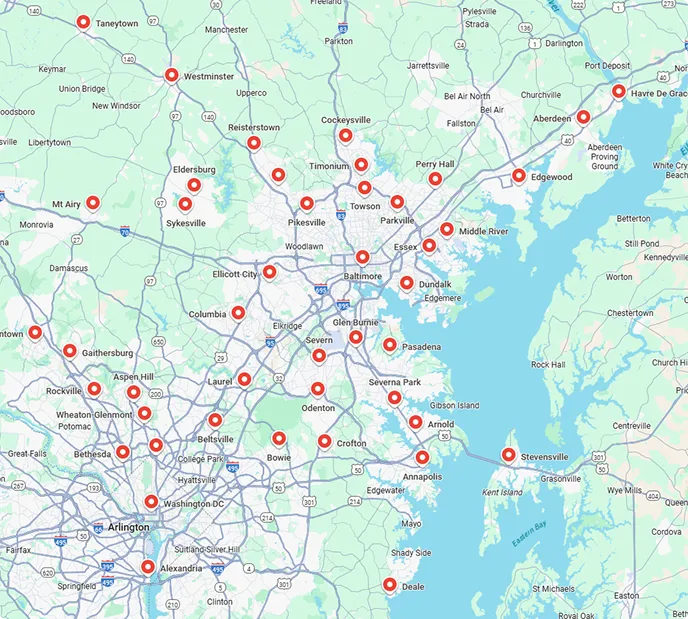
Service areas