

Smart Thermostats Installation in Halethorpe, MD
For smart thermostat installation in Halethorpe, MD, Tario HVAC delivers consistent comfort and significant energy savings. We achieve this by carefully selecting compatible models, performing thorough home assessments, and executing professional wiring and setup. Our service includes reviewing model strengths, detailing installation steps, setting up optimal schedules, and ensuring seamless remote access and integration with platforms like HomeKit, Google Home, and Alexa. We also explain your warranty, ongoing support options, maintenance tips, and troubleshooting. Learn how zoning and humidification-capable thermostats can truly enhance performance in your home, ensuring reliable operation and long-term efficiency for improved comfort and savings over time.
.webp)
Smart Thermostats Installation in Halethorpe, MD
Upgrading to a smart thermostat can deliver more consistent comfort, lower energy use, and smarter control of your HVAC system year round. In Halethorpe, MD, where hot, humid summers and chilly mid-Atlantic winters place varying loads on heating and cooling equipment, a correctly selected and professionally installed smart thermostat makes a noticeable difference in comfort and efficiency.
Common compatible smart thermostat models
Most modern smart thermostats work with the full range of residential HVAC systems, but specific compatibility varies. Popular, widely supported models include:
- Google Nest Thermostat / Nest Learning Thermostat – Auto-schedules and learning behavior, works well with heat pumps and forced air systems.
- Ecobee Series – Room sensors for better zonal comfort, strong heat pump and multi-stage support.
- Honeywell Home / Resideo T Series – Broad compatibility with traditional systems and simple interfaces.
- Emerson Sensi – Good for older systems and simple Wi-Fi setup.
- Lux / Lux GEO – Cost-effective options for basic smart features.
Each model has strengths: learning algorithms (Nest), multi-room sensors (Ecobee), or simplicity and broad compatibility (Honeywell, Emerson). During assessment we match model capabilities to your home size, HVAC type, and control goals.
Assessment and thermostat selection for Halethorpe homes
Choosing the right thermostat begins with a thorough assessment:
- Home size and layout: Larger or multi-level homes may benefit from thermostats that support remote room sensors or a multi-zone setup.
- HVAC equipment type: Single-stage or multi-stage furnaces, air handlers, heat pumps, boilers, and millivolt systems have different wiring and control requirements. Heat pump systems and multi-stage equipment require models with explicit support.
- Existing wiring: Presence of a C-wire (common) is important for many smart thermostats. If a C-wire is absent, options include using a power extender kit, a compatible model that runs on batteries, or installing a C-wire.
- Zoning and dampers: If your home already has zoning, we assess whether thermostats can directly integrate with your zone control panel or require an interface.
- Connectivity and automation goals: If you want voice control, HomeKit, Google Home, or Alexa integration, we select models that support those ecosystems.
Local considerations in Halethorpe include the prevalence of split-system heat pumps and older homes with older wiring. Humidity control is often a priority, so thermostats that support humidification/dehumidification or communicate with whole-house systems are advantageous.
Professional installation and wiring procedures
Professional installation minimizes risk and ensures optimal performance. Typical professional steps:
- Pre-install inspection: Confirm compatibility with the HVAC system, check the existing wiring, and note any zoning or control panels.
- Power safety and labeling: Turn off power to HVAC at the breaker. Label existing wires at the old thermostat for reference.
- Mounting and wiring: Mount the new thermostat base, connect low-voltage wires (R, C, W, Y, G, O/B, etc.) to the correct terminals, and install a power extender if required. For millivolt and line-voltage systems, specialized equipment or thermostats are used.
- Verify control signals: Energize the system, verify the thermostat is powering on from the C-wire or batteries, and run heat/cool stages to confirm correct response from the furnace, heat pump, compressor, and fan.
- Seal and finish: Secure the thermostat, tidy wiring, and ensure the wiring does not interfere with wall insulation or cause drafts that skew temperature readings.
Technicians also check transformer voltages, control relays, and conduct a safety check of system interlocks. Professional installation prevents common issues like short-cycling, incorrect stage activation, or wiring damage.
Setup of schedules and remote-control features
Smart thermostats offer scheduling and remote management that improve comfort and efficiency:
- Scheduling: Create weekday/weekend or daily schedules, or use learning modes that adapt automatically to your habits.
- Remote control: Smartphone apps enable temperature changes, monitoring, and alerts from anywhere—useful for vacation homes or monitoring while away from Halethorpe during peak summer heat.
- Geofencing and presence detection: Adjust settings based on whether occupants are home to avoid heating or cooling empty spaces.
- Smart recovery: Pre-heat or pre-cool so the home reaches the target temperature exactly when you want it, without running longer than needed.
- Alerts and energy reports: Receive system warnings, filter change reminders, and energy usage summaries to spot inefficiencies.
Technicians configure and test these features during installation, including app pairing, Wi-Fi connectivity checks, and integration with voice assistants if desired.
Energy-saving and comfort benefits
Properly installed smart thermostats optimize runtime and reduce wasted energy. Homeowners typically see improved comfort consistency, reduced peak runtime, and fewer temperature swings. In Halethorpe, managing humidity during summer and preventing over-heating or over-cooling in transitional seasons helps reduce strain on equipment and can extend equipment life. Local utility providers and state programs sometimes offer rebates for qualifying smart thermostat upgrades, making the upgrades more cost-effective.
Integration with zoning and home automation systems
Smart thermostats can be integrated into broader home automation and zoning strategies:
- Multi-thermostat zoning: Coordinate multiple smart thermostats with damper-based zoning systems or zone controllers for precise temperature control in different areas.
- Home automation hubs: Connect thermostats to systems like HomeKit, Google Home, Amazon Alexa, or third-party automation platforms for scenes, routines, and synchronized control of HVAC, lighting, and ventilation.
- Sensors and smart vents: Add temperature sensors or smart vent systems to balance rooms that gain or lose heat more quickly.
Integration planning during the assessment ensures compatibility and avoids conflicts between controllers.
Warranty, support, and local service
Most manufacturers include a limited warranty covering defects, while professional installation typically includes a workmanship warranty for a defined period. Local support in Halethorpe includes initial setup assistance, follow-up tuning to stabilize schedules, and seasonal checks to ensure the thermostat and HVAC communicate properly. We also support firmware updates and troubleshooting guidance.
Maintenance and troubleshooting tips
Routine checks and simple fixes keep smart thermostats reliable:
- Keep the thermostat away from direct sunlight, drafts, and heat sources to avoid false readings.
- Ensure stable Wi-Fi; if connectivity drops, restart the router and check thermostat firmware.
- If the display is blank, verify HVAC power at the breaker and confirm the C-wire or battery condition.
- For inaccurate readings, recalibrate or relocate the thermostat, or add remote sensors.
- If HVAC short-cycles after installation, recheck wiring and stage configuration; this often requires professional adjustment.
- Regularly update the thermostat app and firmware for security and improved features.
When problems persist-persistent Wi-Fi loss, incorrect stage activation, or safety lockouts—professional diagnostics can identify wiring, control board, or equipment issues.

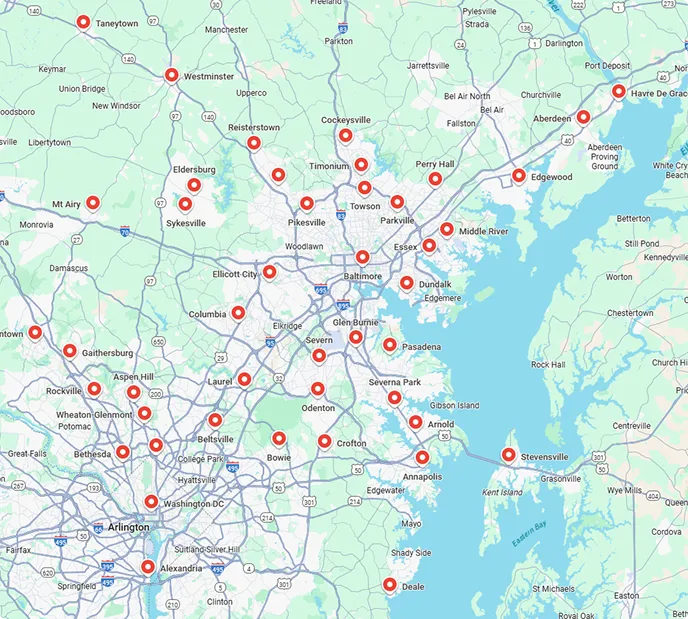
Service areas