

Water Heater Repair in Washington, DC
Reliable hot water is essential for daily life in Washington, DC homes and buildings. From cold winter mornings to high summer demand, a failing water heater disrupts comfort and can cause property damage. Tario HVAC can help! We explain common water heater problems in Washington, DC, how our technicians diagnose and repair them, when replacement makes more sense than repair, safety and local code considerations, emergency restoration steps, and maintenance tips to extend system life.
.webp)
Common water heater problems in Washington, DC homes
- No hot water or intermittent hot water
- Insufficient hot water or rapid depletion
- Leaks from the tank, fittings, valves, or drain
- Strange noises such as popping, rumbling, or banging
- Pilot light or electronic ignition failures on gas units
- Discolored or foul-smelling water
- Short cycling or frequent thermostat trips
- Slow recovery after heavy use
Local factors that increase these issues include older row homes with aging plumbing, seasonal high demand during cold months, and mineral content in local water that accelerates sediment buildup and corrosion in tanks and tankless systems.
How a technician diagnoses the problem
Diagnosis focuses on isolating the cause rather than guessing. Common diagnostic steps include:
- Visual inspection for corrosion, wetness, and failed fittings
- Checking thermostat settings, breakers, and disconnects for electric units
- Testing heating elements and continuity for electric heaters
- Inspecting pilot assembly, thermocouple, gas valve, and ignition module on gas units
- Measuring inlet and outlet temperatures, pressure, and recovery rate
- Draining a small amount to inspect sediment and water quality
- Testing the temperature-pressure (T&P) relief valve and drain valve operation
- For tankless units, checking inlet filters, flow sensors, and scale on heat exchangers
Technicians always recommend shutting off power or gas before hands-on diagnostics for safety.
Repairs we perform
Repair options depend on the component and system type. Typical repairs include:
- Heating element replacement and thermostat recalibration for electric water heaters
- Thermocouple, pilot assembly, gas valve, and ignition control repairs for gas units
- Repair or replacement of T&P relief valves, drain valves, and shutoff valves
- Sediment flushing and power-flushing to restore efficiency and reduce noise
- Anode rod replacement to slow corrosion and extend tank life
- Patching small leaks in fittings or replacing sections of pipe and connectors
- Tank replacement when the inner steel is compromised or leaks develop in the tank shell
- Descaling for tankless systems and heat exchanger repairs or control board replacement
- Addressing water quality problems that cause odor or discoloration
All gas-related repairs must follow safe procedures and are performed by technicians familiar with local venting and combustion air requirements.
Repair versus replacement — key considerations
Deciding whether to repair or replace depends on several factors:
- Age of the water heater: older units are more likely to need frequent repairs and have less remaining life
- Nature of the failure: replace a tank with internal tank corrosion or large leaks; repair replaceable components for isolated failures
- Frequency and cost of past repairs: recurring expensive fixes often justify replacement
- Energy efficiency and operating costs: newer models are typically more efficient and can reduce long-term energy bills
- Water quality and scale: severe sediment or scale buildup may reduce the value of repeated repairs
- Capacity needs and household changes: larger households or increased hot water demand may justify upgrading to a larger tank or a tankless system
In Washington, DC, where many homes face older infrastructure and variable water quality, weighing remaining useful life and safety risks is particularly important.
Emergency hot-water restoration
When hot water stops unexpectedly, quick, safe steps can restore service temporarily:
- If you smell gas, evacuate immediately and contact emergency services; do not try to relight the pilot
- Check breakers and reset GFCI outlets for electric units
- Verify the pilot light or ignition status on gas units; some pilot and ignition issues can be relit safely if you are confident in the procedure and do not smell gas
- Flush the tank briefly to remove sediment that may be interfering with operation
- For immediate short-term hot water, consider safe alternative heating methods while waiting for repair
Prioritize safety and shut off gas or power if you suspect a leak or dangerous condition.
Safety and code compliance in Washington, DC
Water heater installation and major repairs must meet local codes for safety and performance. Important local compliance points include:
- Proper venting and combustion air for gas appliances to prevent carbon monoxide hazards
- Correct installation of T&P relief valves and proper discharge routing
- Gas line sizing and connections performed or inspected by licensed technicians
- Permit requirements for full unit replacement or significant gas work
- Temperature set limits and anti-scald considerations in multi-family or eldercare settings
Licensed professionals familiar with Washington, DC codes should handle any work that affects gas piping, venting, or structural penetrations.
Maintenance tips to extend system life
Regular maintenance reduces the likelihood of sudden failures and improves efficiency:
- Flush the tank at least once annually to remove sediment; increase frequency in areas with higher mineral content
- Check and replace the anode rod every 3 to 5 years or sooner if heavily corroded
- Test the T&P valve annually to ensure proper operation
- Set thermostat to 120 degrees Fahrenheit to limit scale buildup and reduce scald risk while saving energy
- Insulate accessible hot water pipes and the first few feet of the tank to reduce standby losses
- Install a water softener or pre-treatment if local water hardness is high
- Schedule an annual professional inspection to catch gas or electrical issues early
Routine care can add years to the life of a water heater and improve safety and reliability.
Q: How long does a typical water heater repair take?
A: Most component repairs such as replacing heating elements, thermostats, valves, or flushing the tank are completed in a few hours; more involved repairs or tank replacements can take longer depending on access and permit requirements.
Q: Can a small leak in the tank be patched?
A: Minor leaks in fittings or connections can often be repaired, but leaks originating from the tank shell usually indicate internal corrosion and require full replacement for safety and reliability.
Q: Is it safe to relight a pilot light myself?
A: If you smell gas or are unsure, do not relight the pilot. If there is no odor and you are comfortable following manufacturer instructions, relighting is possible; when in doubt, have a licensed technician handle it.
Q: How often should I flush my water heater in Washington, DC?
A: Annual flushing is a good baseline; if your area has higher mineral content or you notice noise and reduced efficiency, flush more frequently, such as every 6 months.
Q: When should I choose a tankless system over a tank?
A: Consider tankless if you want higher efficiency, unlimited hot water for intermittent use, and have suitable inlet water quality and flow requirements; up-front installation changes and scale sensitivity are factors to evaluate.
Q: Do replacements require permits in Washington, DC?
A: Major replacements and any gas or structural modifications typically require permits and must comply with local codes; licensed professionals can advise on permit needs and inspections.

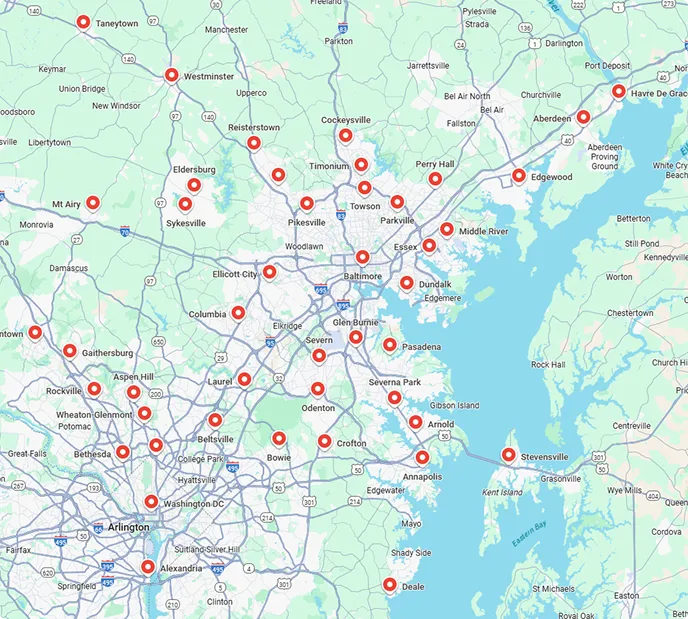
Service areas