



Sump Pumps in Washington, DC
Basement flooding is a frequent and costly problem in Washington, DC homes, particularly in older rowhouses and properties with finished basements. A properly sized, installed, and maintained sump pump is truly one of the most effective defenses against groundwater intrusion, storm runoff, and even sewer backup. Tario HVAC provides expert sump pump installation, replacement, and repair services throughout Washington, DC. We’ll cover types of pumps, basin sizing, battery backup options, routine maintenance, flood prevention strategies, alarm and monitoring choices, and emergency response procedures for basement flooding.
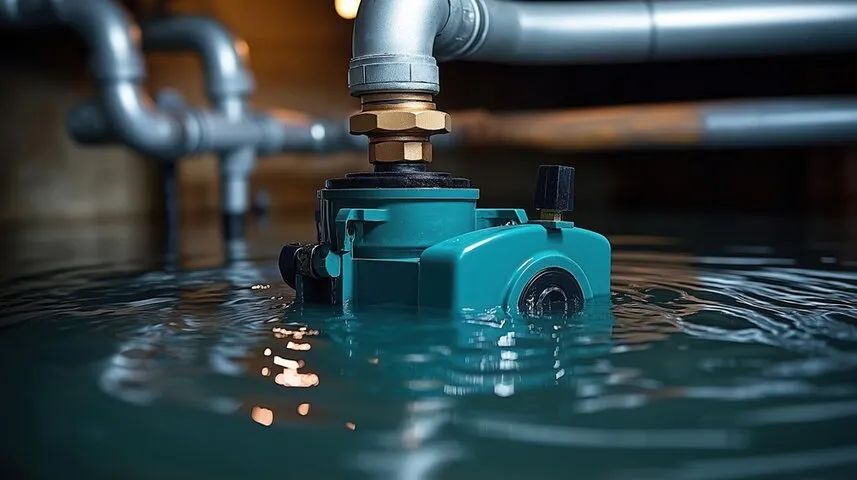
Why Sump Pumps matter in Washington, DC
Washington, DC faces intense rain events, spring thaw, and areas with high water tables. Many local homes were built before modern stormwater systems were installed, and finished basements are common. That combination makes sump pumps critical for protecting property value, preventing mold and structural damage, and keeping living spaces dry.
Types of sump pumps
- Submersible pumps: Installed inside the sump basin. Quiet, efficient, and suited for finished basements. Best for larger discharge needs.
- Pedestal pumps: Motor sits above the basin. Easier to service and typically less expensive, but louder and takes up more vertical space.
- Battery backup pumps: Provide power when electricity fails during storms. Essential in DC where outages can coincide with heavy rainfall.
- Water-powered pumps: Use municipal water pressure to evacuate water. Can run indefinitely during power outages but require sufficient water pressure and may have higher utility use.
- Dual or duplex systems: Two pumps installed for redundancy. Commonly used in high-risk locations or where fast discharge is required.
Sizing and basin requirements
- Pump capacity: Choose based on the expected inflow rate and head height. Typical residential pumps range from 1/3 to 1 horsepower. Higher horsepower pumps handle faster inflow and greater lift.
- Basin size: Most basins are 18 to 24 inches in diameter and 24 to 30 inches deep. Larger basins reduce cycling and extend pump life.
- Float switch clearance: Ensure the float can move freely without obstruction. Consider vertical or tethered float switches depending on the basin size and pump type.
- Discharge piping: Must be sized and routed to discharge away from the foundation and in accordance with local code. Include a check valve to prevent backflow into the basin.
Installation and replacement process
- Site evaluation: Assess basement layout, water intrusion patterns, electrical access, and discharge routing options.
- Basin and pump selection: Choose pump type and basin size based on inflow, head, and space constraints.
- Excavation and basin set: Carefully cut or core the floor, install the basin on a stable base, and seal around the rim.
- Pump and float installation: Mount the pump, attach the float or level sensor, and install a check valve and discharge piping.
- Electrical work: Hardwire or install a dedicated outlet and include a ground fault circuit interrupter GFCI as required.
- Final testing: Run water tests to confirm proper operation, check valve integrity, and discharge direction.
- Documentation: Record pump specs, expected run time, and maintenance recommendations for future reference.
Battery backup systems and reliability
During severe storms, power outages often coincide with peak water inflow. Battery backups keep the pump operational when mains power is lost. Common features:
- Battery type: Deep cycle sealed lead acid batteries are common; lithium options are available for longer life and smaller footprint.
- Run time: Varies with pump draw and battery capacity. Typical residential batteries provide several hours of continuous operation; options exist to extend run time with additional batteries.
- Charger and maintenance: Smart chargers maintain battery health. Regular testing and replacement schedules prolong reliability.
- Integrated systems: Some units combine AC primary pump with a battery-driven secondary pump or a water-powered backup for layered redundancy.
Routine maintenance and testing
Regular maintenance prevents failures and extends pump life. Recommended tasks:
- Visual inspection: Every 3 months check for debris, corrosion, and loose fittings.
- Basin cleaning: Annually remove sediment, gravel, and sludge that can clog the pump intake.
- Float and switch test: Monthly lift the float to confirm the pump activates and shuts off properly.
- Check valve: Inspect for leaks or reverse flow to ensure the basin is emptied when the pump runs.
- Battery checks: Test battery voltage and replace batteries according to manufacturer guidance, usually every 3 to 5 years.
- Professional inspection: Annual or biannual service by a qualified technician to handle electrical checks, seal integrity, and performance tuning.
Flood prevention strategies beyond the pump
- Grading and gutters: Ensure the ground slopes away from the foundation and that gutters and downspouts direct water at least several feet from the house.
- Discharge routing: Extend discharge lines beyond low spots and avoid directing water to neighboring properties.
- Backflow preventers: Install backflow valves where municipal sewer backup is a risk.
- Interior sealing: Seal cracks in foundation walls and apply waterproof coatings in problem areas.
- French drains and exterior drains: Consider paired systems for persistent seepage issues to reduce the load on the sump.
Alarm and monitoring options
- Float alarms: Audible alerts that sound when water rises above a set level.
- Remote monitoring: Wi Fi or cellular systems that send alerts to phones when pumping activity or high water is detected.
- Integrated diagnostics: Systems that report pump run time, cycles, and battery status for proactive maintenance.
Emergency response for basement flooding
If flooding occurs:
- Safety first: Turn off electricity to the affected area at the breaker box if safe to do so.
- Stop the source: If the sump pump failed, check for power, tripped breakers, and battery condition before proceeding.
- Remove water safely: Use pumps or wet vacuums and dry the area to prevent mold. Prioritize areas where water contacts electrical panels or major appliances.
- Document damage: Take photos for insurance and future mitigation planning.
- Post event service: Schedule a professional inspection to diagnose causes, repair or replace failed components, and improve prevention measures.
Common sump pump problems and repairs
- Pump runs but does not remove water: Check for clogged intake, blocked discharge, or failed impeller.
- Continuous cycling: Often caused by undersized basin, improper float adjustment, or rapid inflow. Consider larger basin or duplex pump arrangement.
- Pump will not start: Verify power, GFCI, breaker, and float switch operation.
- Loud operation or vibration: Could indicate worn bearings, misaligned pump, or debris in the pump.
- Frozen discharge lines: Insulate exposed piping or add heat trace in areas prone to freezing.
Q: How often should I test my sump pump?
A: Test the pump monthly by pouring water into the basin until the float activates and the pump runs through to full shut off. Also test battery backups and alarms with a power outage simulation a few times per year.
Q: Do I need a permit for sump pump installation in Washington, DC?
A: Permit requirements can vary. Check local Washington, DC building code and permitting rules before installation to ensure compliance with discharge and plumbing regulations.
Q: What size pump do I need for a finished basement?
A: Pump size depends on inflow rate and lift height. Many finished basements use 1/3 to 1/2 horsepower pumps, but a site-specific evaluation will determine the correct capacity and basin size.
Q: Are battery backups necessary?
A: In Washington, DC they are highly recommended since storms that produce heavy rain often cause power outages. A backup reduces the risk of flooding when primary power is lost.
Q: How can I reduce my basement flood risk besides installing a sump pump?
A: Improve yard grading, clean gutters, extend downspouts, install backflow valves, seal foundation cracks, and consider exterior drainage systems like French drains to reduce water near the foundation.

Service areas
