

Sewer Cleanout in Washington, DC
Keeping your sewer cleanouts and mainlines in top shape is crucial for Washington, DC homes and businesses. It's all about preventing nasty backups, health risks, and expensive repairs down the line. DC properties often face unique hurdles: many areas have older clay or cast iron pipes, a dense tree canopy that invites root intrusion, and combined sewer systems that can lead to backups during heavy storms. That's where **Tario HVAC** comes in with a focused approach: thorough inspection, targeted cleaning, and preventative maintenance. We tackle immediate problems head-on and work to prevent them from happening again.
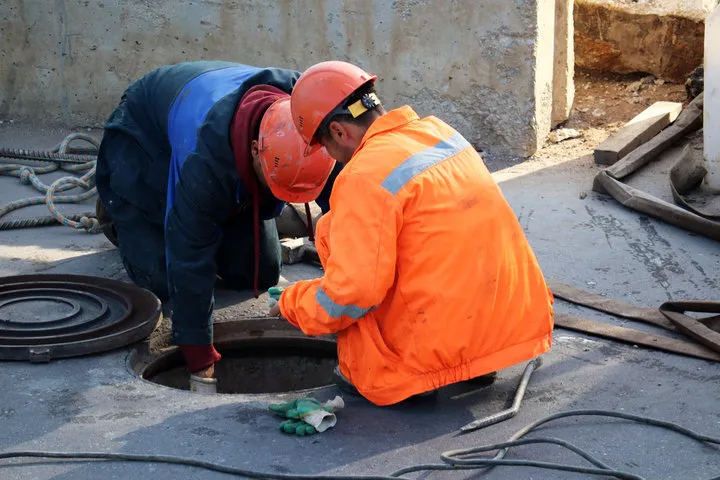
What a Sewer cleanout service covers
Sewer cleanout and mainline service typically includes:
- Identifying blockages and their causes
- Sewer camera inspection to locate damage, sags, or intrusions
- Mechanical clog removal and augering
- Hydro-jetting to remove grease, scale, and sediment
- Root cutting and removal where roots invade joints
- Trenchless repairs such as pipe relining when the line is compromised
- Coordination with local municipal requirements and permits when required
- Preventative maintenance plans to keep your lateral flowing year round
Common sewer problems in Washington, DC
Washington, DC homes commonly experience these mainline issues:
- Tree roots entering older clay or poorly joined pipes, especially in neighborhoods with mature street trees
- Grease and solid buildup in low-use or low-slope laterals
- Collapsed or offset joints in older infrastructure
- Clogs from wipes, diapers, and nonflushable items
- Basement and yard backups after heavy rain when combined systems surcharge
- Sediment and mineral scale buildup in older pipes
Understanding the likely causes helps target the right solution and prevents unnecessary work.
Diagnostic process: how professionals identify the problem
A reliable diagnostic sequence typically follows these steps:
- Visual and symptom assessment: history of backups, slow drains, gurgling toilets
- Sewer camera inspection: a high-resolution camera is fed through the cleanout to record the full length of the lateral and mainline. This pinpoints blockages, bellies, root intrusions, corrosion, cracks, and collapsed sections.
- Locating and mapping: the camera feed is used with a locator to map the exact position of the issue relative to the property and street main.
- Recommendation of repair or cleaning method based on inspection findings and line condition
Sewer camera inspection is the single most important diagnostic tool because it prevents guesswork and ensures the chosen repair matches the actual problem.
Common solutions and when they are used
- Mechanical snaking or augering: Effective for simple soft clogs close to the structure. Best when debris is localized and pipes are in good condition.
- Hydro-jetting: Uses high-pressure water to scour grease, roots, and mineral deposits from the pipe walls. Preferred for thorough cleaning without excavation when the pipe material and alignment are acceptable.
- Root cutting: Rotary root cutters remove intrusive roots; follow-up hydro-jetting cleans the loosened material. Root cutting is effective when roots are the primary cause and the pipe structure remains intact.
- Trenchless pipe relining: For cracks, pinholes, or leaking joints, cured-in-place pipe lining (CIPP) restores structural integrity without full excavation. Ideal for older neighborhoods where digging is disruptive.
- Spot excavation and replacement: Required for severely collapsed or misaligned sections that cannot be relined.
- Sanitary sewer overflow mitigation: When backups are aggravated by municipal surcharge during storms, solutions may include backflow prevention devices or coordination with local agencies to address upstream issues.
Coordination with local regulations and permits
Work on laterals that connect to public mains often requires coordination with DC Water and local permitting authorities. Typical considerations include:
- Verifying property owner responsibility for the private sewer lateral versus public main
- Obtaining permits for excavation or trenchless repairs that tie into the public system
- Compliance with DC Water guidelines for reconnection, testing, and inspection
- Notification and documentation for any work that may impact the public right of way
Professional services familiar with Washington, DC procedures minimize delays and ensure work meets municipal standards.
Step-by-step: resolving a sanitary sewer issue in DC
- Step 1: Document symptoms and schedule an inspection
- Step 2: Perform sewer camera inspection and mapping
- Step 3: Provide a findings report describing cause, location, and recommended remedies
- Step 4: Secure required permits and coordinate with municipal authorities if the repair affects the public main
- Step 5: Execute targeted cleaning or repair (hydro-jetting, root cutting, relining, or spot replacement)
- Step 6: Post-repair camera verification to confirm flow is restored and the repair is sound
- Step 7: Enroll in a regular maintenance plan to prevent recurrence
This transparent process reduces surprises and helps property owners understand the scope and necessity of each step.
Preventative maintenance plans
Regular maintenance is the most cost-effective way to avoid backups and emergency repairs. Effective plans for DC properties include:
- Annual or semi-annual sewer camera inspections for older lateral lines
- Scheduled hydro-jetting for properties prone to grease or sediment buildup
- Root management strategies, including periodic root cutting and monitoring of nearby trees
- Education on what not to flush and managing grease disposal
- Documentation and mapping of the private lateral for faster response during emergencies
A consistent maintenance program lowers the risk of unexpected backups, especially during seasonal root growth and storm periods.
Signs you need sewer cleanout or mainline service now
Watch for these warning signs in your Washington, DC home:
- Multiple fixtures backing up at once, especially toilets and floor drains
- Persistent slow drains that do not clear with household un cloggers
- Gurgling sounds from drains or toilets
- Sewage odors in the yard, basement, or near floor drains
- Repeated problems that follow heavy rain or correspond with street drainage issues
- Wet spots, sinkholes, or lush patches in the yard above the lateral
Addressing these signs early reduces health risks and prevents damage to floors, walls, and landscaping.
Benefits of prompt, professional sewer cleanout
- Restores normal drainage and reduces health hazards from sewage exposure
- Limits property damage to finished spaces and landscaping
- Provides a clear record and mapping of your lateral for future needs
- Reduces recurring service calls and long-term costs through preventative work
- Ensures compliance with municipal requirements when work affects the public system
Frequently asked questions
Q: How is a sewer camera inspection performed and how long does it take?
A: A flexible camera is fed into the cleanout opening and pushed through the line while recording video. Typical inspections for a single lateral take one to two hours depending on length and complexity.
Q: Will root cutting permanently stop roots from invading my pipe?
A: Root cutting removes current intrusions and restores flow, but it does not prevent future regrowth. Combined treatment with hydro-jetting and a scheduled maintenance plan reduces recurrence.
Q: When is trenchless relining a better option than excavation?
A: Trenchless relining is preferred when the pipe alignment is generally intact and the issue is cracks, pinholes, or leaking joints. It is less disruptive in urban neighborhoods with paved walkways and limited yard access.
Q: Who is responsible for repairs between my house and the street in Washington, DC?A: Responsibility varies by jurisdiction. Property owners are commonly responsible for the private lateral up to the connection with the public main. Confirming responsibility with DC Water or local authorities is advised before starting major repairs.
Q: Can hydro-jetting damage old pipes?
A: Hydro-jetting is safe for most materials when performed by trained professionals who select the appropriate pressure. Very fragile or severely corroded pipes may need a gentler approach or a relining solution.
Q: How often should I schedule maintenance for my sewer lateral?
A: Frequency depends on pipe age, surrounding vegetation, and past problems. Many DC properties with older pipes or mature trees benefit from annual inspection and hydro-jetting every 1 to 3 years.

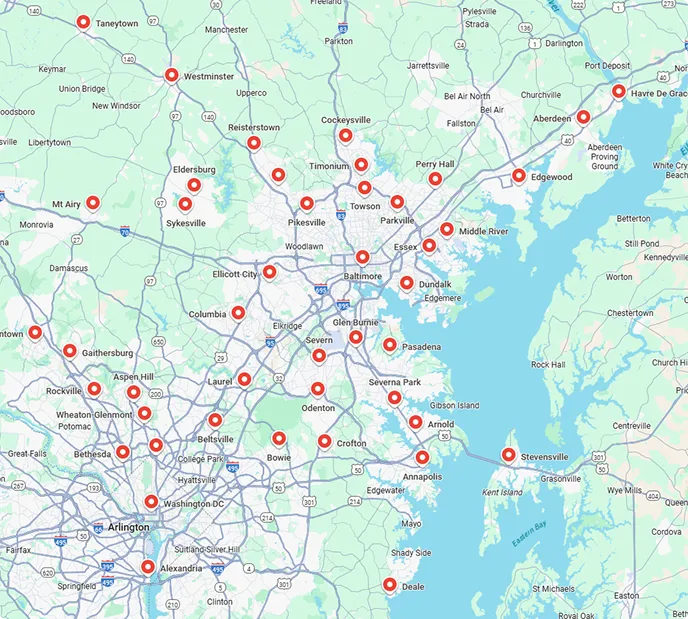
Service areas