

Whole House Humidifiers in Havre de Grace, MD
In Havre de Grace, a whole-house humidifier can transform your winter by bringing balanced humidity into your home through your HVAC system. Tario HVAC is here to explain the three main types—bypass, fan-powered, and steam—and show you how we size them specifically for your home and our local climate. We'll cover ideal humidity ranges, seasonal usage, maintenance, warranties, and what drives costs, so you can make an informed decision. With Tario HVAC's professional sizing and seamless integration, you'll enjoy consistent humidity, better protected building materials, healthier indoor air year-round, and even reduced energy waste.
.webp)
Whole House Humidifiers in Havre de Grace, MD
Dry winter air inside your Havre de Grace home can cause headaches, cracked woodwork, increased static, and respiratory discomfort. A properly selected and installed whole house humidifier can restore balanced indoor humidity across every room by integrating with your existing HVAC system. This page explains the main humidifier types, how to size and install them, seasonal best practices for Havre de Grace climate, routine maintenance, and what to expect from warranties and cost drivers so you can decide with confidence.
Why whole-house humidification matters in Havre de Grace
Havre de Grace sits on the upper Chesapeake Bay and experiences humid summers and cold, drying winters. When your heating system runs in winter, indoor relative humidity can drop below 25 percent in well-sealed homes. Low humidity contributes to:
- Dry skin, sore throat, nosebleeds, and worsened allergy or asthma symptoms
- Static electricity and increased shock events
- Cracked trim, shrinking hardwood floors, and gaps in furniture joints
- Increased discomfort that leads to higher perceived heating needs
A whole-house humidifier maintains a target indoor humidity level (typically between 30 and 45 percent in winter), improving comfort and protecting building materials while operating quietly and centrally rather than relying on portable units.
Common whole-house humidifier options (and when to choose each)
Understanding the three main types will help you match performance, maintenance needs, and operating cost to your home.
- Bypass humidifiers
- How they work: Pull warm air from the furnace plenum through a water panel, then return moistened air to the supply ducts using the furnace air handler.
- Best for: Homes with centrally ducted furnaces and consistent airflow. Energy efficient, low operating cost.
- Considerations: Requires a return-to-supply duct path; limited output compared to steam.
- Fan-powered (or power) humidifiers
- How they work: Include an internal fan that forces air through the wet media, delivering higher output without depending on furnace blower operation.
- Best for: Larger homes, higher humidification demands, or when furnace run times are short.
- Considerations: Higher electrical consumption than bypass models, but better control and faster humidification.
- Steam humidifiers
- How they work: Electrically generate steam and inject it directly into the ductwork or air handler. Precise control and high output.
- Best for: Very tight, large, or multi-zone homes; situations with hard water or when high winter humidity targets are needed.
- Considerations: Higher installation and operating cost; water treatment or scale management may be required.
Ideal indoor humidity ranges and local cautions
- Recommended winter range: 30 to 45 percent relative humidity. This reduces dryness while minimizing condensation on cold windows.
- Avoid exceeding 45 to 50 percent during cold spells; coastal climates like Havre de Grace can promote condensation on single-pane or poorly insulated windows, which encourages mold or rot.
- Summer humidification is rarely needed in Havre de Grace because of naturally higher outdoor humidity; in humid months focus on dehumidification and ventilation instead.
How humidification integrates with your HVAC system
A whole-house humidifier is typically installed on or near the furnace or air handler and tied into the return or supply duct. Key integration points include:
- Duct connection: Proper location ensures even distribution and prevents moisture buildup in the wrong areas.
- Control integration: A humidistat monitors indoor humidity and communicates with the system. Advanced controls integrate with thermostats and zoning systems for balanced comfort.
- Demand-based operation: The humidifier should operate in sync with the furnace blower or with its own fan to distribute moisture efficiently.
- Water supply and drain: Humidifiers require a reliable water feed and a safe drain line. Consider scale accumulation and local water hardness when selecting a model.
Installation and sizing process
Correct sizing is essential for consistent humidity without condensation. A professional approach includes:
- Load assessment: Estimate moisture loss based on square footage, ceiling height, insulation levels, window types, and air infiltration common in older Havre de Grace homes.
- Output selection: Choose a humidifier rated to maintain the desired relative humidity for your home size and airtightness.
- Placement planning: Locate the unit to avoid moisture pockets, ensure proper duct connections, and provide access for maintenance.
- Controls and electrical: Determine humidistat placement and any additional electrical or water treatment needs.
A well-sized system prevents underperformance and avoids over-humidification that can cause mold or window fogging.
Seasonal usage tips for Havre de Grace homeowners
- Winter: Set humidistat to 30–45 percent. Monitor for condensation on cold surfaces during extreme cold; lower setpoint if you see window fogging.
- Spring/fall: Humidity needs drop as outdoor humidity rises. Shift focus to ventilation and air exchange to control allergens and indoor pollutants.
- Summer: Disable humidification. Excess indoor moisture in summer invites mold and increases AC load.
- Transition months: Run the humidifier only when heating is active and outside humidity is low.
Health, comfort, and home- preservation advantages
- Improved respiratory comfort and reduced nose and throat irritation
- Less static electricity and fewer shocks
- Reduced cracking and shrinkage in wood floors, trim, and furniture
- Potential perceived warmer feel at lower thermostat settings, which can aid comfort efficiency
- Support for allergy management through maintaining mucous membrane hydration
Routine maintenance and filter replacement
Regular maintenance keeps performance high and prevents problems:
- Replace or clean the evaporative water panel, pad, or cartridge per manufacturer guidance (typically annually or seasonally).
- Inspect and flush the water line and drain to prevent mineral buildup, especially if your household water is hard.
- Check and clean any air passages, sensors, and the humidistat annually.
- For homes on well water or with hard municipal supply common around the Chesapeake region, consider scale control options or models designed to handle mineral content.
- Document service visits and keep spare pads or cartridges on hand for seasonal changes.
Expected costs and warranty considerations (what to look for)
Rather than listing prices, consider these cost drivers and warranty expectations:
- Cost drivers
- System type: Bypass is typically lower cost to operate; steam has higher initial and operating costs.
- Home size and required output: Larger or multi-level homes need higher-capacity systems.
- Installation complexity: Retrofits, water line runs, or duct modifications increase installation complexity.
- Water treatment or scale management: Adds equipment and maintenance needs in areas with hard water.
- Control upgrades and zoning integration: Advanced controllers raise the project scope.
- Warranties and service
- Most manufacturers provide limited warranties on the humidifier cabinet and components; compressor-free designs often have multi-year coverage on parts.
- Expect separate warranty terms for electrical components, steam generators, and replacement pads.
- Service or labor warranties (from the installer) may cover workmanship for a specified period after installation; review terms for maintenance inclusions.
Choosing the right whole-house humidifier for your Havre de Grace home means balancing comfort, maintenance, and system integration. Proper sizing, attention to local climate effects, and regular upkeep ensure long-term performance and protection for both your family and your home.

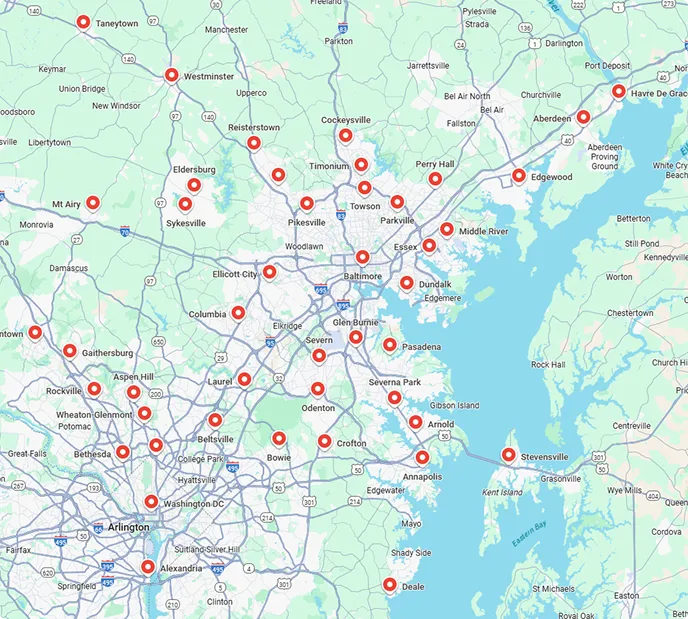
Service areas