



Whole House Dehumidifiers in Havre de Grace, MD
Discover why a whole-house dehumidifier from Tario HVAC is a practical solution for Havre de Grace, MD, homes dealing with coastal humidity. We'll outline when to install one, the expected benefits, and how proper sizing, professional installation, and corrosion-aware components protect wood, insulation, and indoor air quality. Tario HVAC also covers common system types, capacity considerations, installation and ducting tips, maintenance routines, and the expected impact on comfort, mold prevention, and energy use for typical local residences today.
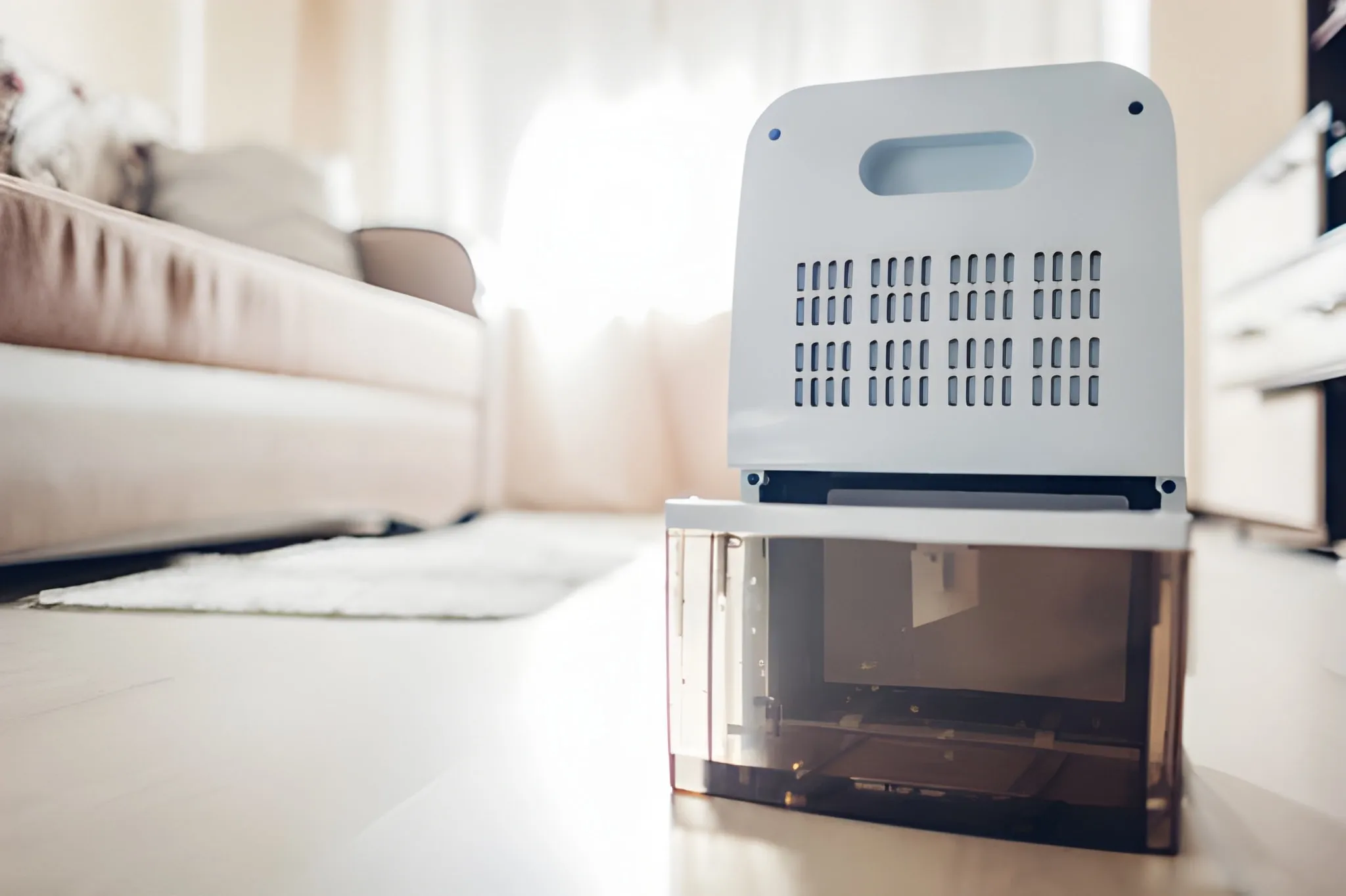
Whole House Dehumidifiers in Havre de Grace, MD
High humidity is one of the most common indoor comfort and health problems in Havre de Grace, MD. Homes near the Susquehanna River and Chesapeake Bay experience warm, humid summers, frequent fog and dew, and high seasonal moisture that can lead to mold, mildew, musty odors, and damage to woodwork and insulation. A whole house dehumidifier is a targeted solution that controls humidity for the entire home, not just a single room, delivering consistent comfort and protecting building materials and indoor air quality.
When a whole-home dehumidifier is recommended
A whole-house dehumidifier in Havre de Grace, MD is recommended when:
- Indoor relative humidity (RH) regularly exceeds 50 to 55 percent, especially in summer months.
- Basements, crawlspaces, or lower-level living areas feel damp, smell musty, or show condensation on windows.
- Homeowners have allergy or asthma concerns tied to mold and dust mite growth.
- Wood floors, trim, or furniture show signs of cupping, warping, or mildew stains.
- Existing HVAC systems struggle to control humidity without overcooling the house.
- Homes with poor ventilation, balloon framing, or older construction that leaks moisture from outside or from groundwater.
These conditions are common in Harve de Grace area homes because of the coastal humidity, occasional heavy rains, and the presence of older basements and crawlspaces that require proactive moisture control.
Benefits of whole-house dehumidification
Installing a properly sized whole-house dehumidifier delivers measurable benefits:
- Mold and mildew prevention: Keeping RH below 50 percent limits mold growth on walls, insulation, and stored items.
- Improved comfort: Lower humidity reduces clamminess without lowering thermostat setpoint, making the indoor environment feel cooler.
- Protects building materials: Wood trim, flooring, and structural lumber last longer and are less likely to warp or rot.
- Better indoor air quality: Reduced dust mite populations and fewer microbial allergens improve breathing conditions.
- Reduced HVAC strain: Removing latent heat decreases cooling load and can improve system efficiency during peak humidity seasons.
- Dryer laundry and storage: Basements and closets stay drier, protecting stored belongings.
System types and capacity selection
Whole-house dehumidifiers are available in a few common configurations:
- Inline/refrigerant whole-house units: Mounted in the HVAC return or connected to ductwork; use refrigeration to condense moisture. Most common for typical single-family homes.
- Standalone whole-house bypass dehumidifiers: Pull return air through a bypass duct and send processed air back to the system; good for existing forced-air systems.
- Desiccant dehumidifiers: Use moisture-absorbing materials; effective in lower temperature environments but less common for whole-home setups in Maryland.
- Integrated HVAC coil dehumidification: Advanced HVAC systems with enhanced coil control and variable-speed fans can dehumidify more effectively but may still benefit from a dedicated whole-house unit in high-humidity climates.
Capacity selection is based on house size, airtightness, number of occupants, presence of moisture sources (laundry, basement), and local climate. In Havre de Grace, typical whole-house units range from moderate capacities (40 to 70 pints per day) for tight, small homes up to high-capacity units (80 to 120 pints per day) for larger, leakier homes or those with damp basements. A professional load assessment—measuring current RH, airflow, and moisture sources—is the most reliable method to match capacity to need.
Installation and ducting considerations
Proper installation determines long-term performance:
- Placement: Most systems connect to the HVAC return plenum for whole-home coverage or are installed in a mechanical room near the furnace. Placement should minimize duct runs and allow access for maintenance.
- Ducting options: Direct duct integration, bypass ducting, or dedicated supply and return can be used. Ensure ductwork is sealed and insulated to prevent condensate and energy loss.
- Condensate management: Provide a reliable drain to a floor drain, drain line, or condensate pump. Use corrosion-resistant fittings and trap designs sized to local codes.
- Corrosion resistance: Salt air from Chesapeake Bay can accelerate corrosion; opt for coated coils, stainless fasteners, and corrosion-resistant drain fittings where exposure is likely.
- Air balance: Ensure the dehumidifier does not create negative pressure that pulls humid outdoor air into the home. Proper balancing and HVAC fan coordination are essential.
Controls and drainage options
Controls and drainage are important for reliability and convenience:
- Humidity control: Wall-mounted humidistats or integration with smart thermostats allow precise RH targeting (often 45 percent recommended for mold control and comfort).
- Auto-defrost and low-temp operation: In cooler months, units with auto-defrost maintain performance without freezing coils.
- Drainage choices: Gravity drain to a floor drain is preferred where available. Where gravity drainage is not possible, a condensate pump with high-quality check valves and alarm float switches is recommended.
- Smart monitoring: Some systems offer remote monitoring of RH levels and alerts if condensate blocks or leaks occur.
Maintenance recommendations
Maintaining a whole-house dehumidifier keeps it efficient and reliable:
- Replace or clean intake filters every 3 months or per manufacturer guidance.
- Inspect and flush condensate lines annually to prevent clogs and biological buildup.
- Clean coils and heat exchangers annually; buildup reduces efficiency and capacity.
- Verify drain pump operation and float switches, especially after heavy use seasons.
- Schedule a professional inspection each year to check refrigerant levels, electrical components, and airflow.
Energy use and efficiency
Whole-house dehumidifiers do consume electricity, but modern units are more efficient:
- Look for units with energy-efficient compressors, variable-speed fans, and high integrated energy factors.
- Removing moisture reduces the latent load on the air conditioner, which can offset some operating cost by allowing less run-time to achieve comfort.
- In Havre de Grace, expect the highest run times during summer months; setting RH to 45 percent balances comfort and energy use while inhibiting mold.
Typical results for Havre de Grace homes
When properly sized and installed, a whole-house dehumidifier in Havre de Grace, MD typically:
- Lowers seasonal indoor RH from the mid 60s down to the mid 40s to low 50s.
- Eliminates persistent musty odors in basements and lower levels.
- Reduces visible mold spots and slows recurrence when combined with proper ventilation and envelope repairs.
- Improves perceived comfort and can reduce reliance on overcooling to manage humidity.
- Protects wood floors and trim in older local homes from moisture-driven damage.
A whole-house dehumidifier is a practical, long-term investment for homes in Havre de Grace that face seasonal or persistent moisture issues. Proper sizing, professional installation, corrosion-aware component selection, and routine maintenance are the keys to reliable performance and lasting protection for your home and indoor air quality.

Service areas
