

Whole House Humidifiers in Annapolis, MD
For Annapolis, MD homes, whole-house humidifiers integrate with existing HVAC systems to maintain consistent indoor humidity levels. Tario HVAC helps you understand common types like bypass, fan-powered, and steam models, along with their benefits for comfort, woodwork preservation, and reduced static electricity. We outline installation steps, control options, and important maintenance considerations, including water treatment and environmental factors affecting performance. Our practical sizing guidance, energy insights, and warranty discussions help Annapolis homeowners choose the perfect system for those cold, dry winters and seasonal humidity swings.
.webp)
Whole House Humidifiers in Annapolis, MD
Dry indoor air in winter and fluctuating moisture levels year-round can damage wood trim, aggravate respiratory symptoms, and make your home feel less comfortable. Whole house humidifiers in Annapolis, MD provide consistent humidity control across your living space by integrating directly with existing HVAC systems. Whether you live in a historic cottage near the harbor or a newer subdivision, the right system improves comfort, preserves woodwork, reduces static, and can help lower heating costs through perceived warmth.
Why whole‑house humidification matters in Annapolis
Annapolis experiences humid summers and cold winters. While outdoor humidity is often high in summer, forced‑air heating in winter draws indoor moisture levels down, producing dry air that:
- Irritates dry skin, sinuses, and eyes
- Increases static shocks and affects textiles
- Shrinks and cracks wood floors, doors, and molding common in historic Annapolis homes
- Stresses houseplants and musical instruments
A whole‑house humidifier treats the entire home consistently, avoiding the uneven performance and maintenance hassle of portable units.
Common whole‑house humidifier types and what they do
- Bypass humidifiers: Use furnace/air handler airflow to direct warm air through a moisture panel. They are quiet, energy efficient, and work best with a connected air handler or return duct. Good for homes with adequate airflow and space for duct connections.
- Fan‑powered humidifiers: Include an internal fan to push air through the moisture media independent of the furnace blower. They deliver faster humidity and can perform better in homes with intermittent HVAC cycles.
- Steam humidifiers: Electrically produce steam and inject it into the ductwork. Steam units control humidity precisely and can serve larger homes or tight humidity targets. They require electrical and condensate management but are ideal where high output and fast response are needed.
Benefits: comfort, health, and home protection
- Improved respiratory comfort: Proper indoor humidity soothes airways and reduces dry coughs and throat irritation.
- Preservation of woodwork: Stable humidity reduces shrinkage and cracking of floors, trim, and furnishings — especially important in Annapolis’s older wooden homes.
- Less static and better comfort: Moist air feels warmer at lower thermostat settings, which can reduce energy use through slightly lower setpoints.
- Cleaner indoor air experience: Humidified air reduces dust suspension and can help occupants with certain allergies and dry skin conditions.
How whole‑house humidifiers integrate with existing HVAC
Whole‑house systems connect to the return or supply duct near the furnace or air handler. Installation typically includes:
- Mounting the humidifier on or near the furnace or return duct
- Connecting a water line and a drain or condensate line
- Wiring to the furnace control board and to a humidistat or building automation systemIntegration is straightforward for most forced‑air systems; heat pump systems and zoned systems may need additional configuration.
Sizing and water source requirements
Proper sizing ensures the unit can maintain target relative humidity (typically 30–45% in winter). Sizing considerations:
- Home square footage and ceiling heights
- Airtightness and insulation levels
- Typical winter indoor/outdoor temperature differences in AnnapolisWater source and quality matters in installation and maintenance:
- Connection to a cold‑water line is standard
- Annapolis area water tends toward mineral content; mineral deposits can shorten component life if not addressed
- Options include drainable pads with regular cleaning, scale management cartridges, or water softening/demineralization upstream to reduce buildup
Typical installation process
- Site assessment to determine best mounting location and water/drain routing
- Mechanical installation: duct connection, water line, condensate drain
- Electrical wiring to furnace/air handler and humidistat
- Commissioning: calibrating humidistat, testing operation across HVAC cycles, and demonstrating controlsMost installations are completed in a day for straightforward systems, with more complex steam units or older homes requiring additional time for electrical or plumbing modifications.
Control options and automation
- Standalone humidistats: Measure and maintain relative humidity; can be wall mounted or integrated into an indoor thermostat.
- Smart thermostats and home automation: Many modern thermostats integrate humidity control and provide scheduling, remote monitoring, and alerts.
- Weather compensation: Advanced systems adjust setpoints based on outdoor temperature to avoid condensation on windows in cold conditions.For Annapolis homes with seasonal humidity swings and waterfront exposure, combining humidity control with ventilation and dehumidification strategies provides balanced indoor air quality year‑round.
Maintenance and water treatment
Routine maintenance preserves performance and extends equipment life:
- Replace or clean evaporative pads annually or as recommended
- Inspect and clean nozzles or electrodes on steam units per manufacturer guidance
- Check the drain and water inlet for clogs or mineral buildup
- Consider water treatment (filters, scale reduction cartridges, or softeners) when local water hardness is moderate to highPeriodic professional service ensures safe operation and maintains warranty coverage.
Energy considerations
- Bypass models are the most energy efficient because they use existing furnace airflow.
- Fan‑powered units use additional electricity for the fan but provide faster humidification.
- Steam units consume more electricity but deliver precise control and high output for larger homes or strict humidity requirements.Optimizing humidistat setpoints and leveraging smart controls reduce unnecessary runtime and energy use. Proper placement and sizing prevent over‑humidification, which can lead to condensation and mold risk.
Expected costs and warranties
Costs vary by system type, home size, installation complexity, and any required plumbing or electrical upgrades. Factors that influence cost:
- Choice between bypass, fan‑powered, and steam technologies
- Distance to water and drain lines and any structural access required
- Need for water treatment equipment or integration with smart controlsWarranties commonly include limited manufacturer coverage on core components for a period (varies by brand) and separate labor warranties depending on installation agreements. Regular maintenance often affects warranty eligibility, so following manufacturer maintenance schedules is important.
Final considerations for Annapolis homeowners
Whole‑house humidifiers are particularly relevant in Annapolis because of the region’s cold, dry indoor winters and sensitivity of historic wood elements to humidity swings. Selecting the right system depends on your home’s HVAC configuration, water quality, and comfort goals. Proper sizing, installation, and maintenance deliver measurable benefits: better health and comfort, preserved woodwork, and more consistent indoor environments throughout the year.

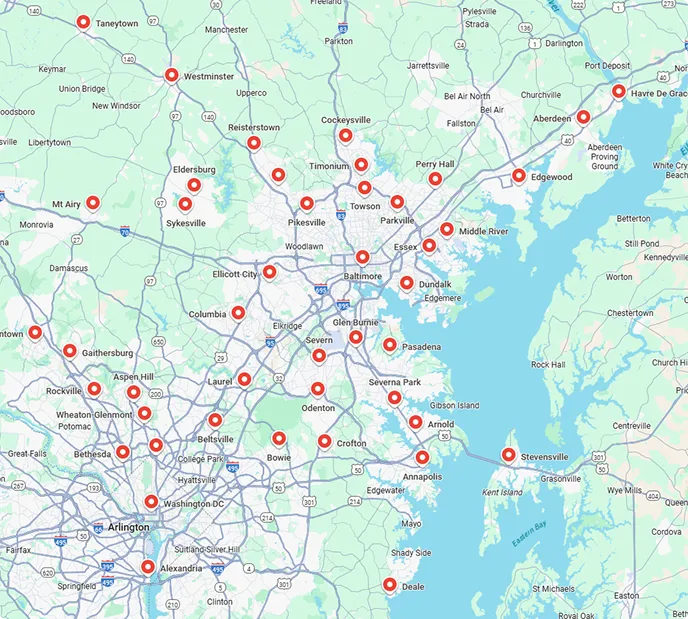
Service areas