



Whole House Dehumidifiers in Annapolis, MD
When your home in Annapolis, MD needs a ducted whole-house dehumidifier, Tario HVAC ensures units are perfectly sized and placed, integrating flawlessly with your existing HVAC system. We manage continuous drainage, perform thorough commissioning steps, and provide routine maintenance, along with energy-efficiency tips specifically tailored for Annapolis homes. You'll quickly recognize signs of excess humidity, and we'll walk you through all installation considerations and control options. Our practical guidance helps you protect structural elements, significantly improve indoor air quality, and maintain consistent comfort year-round without bothersome temperature changes.
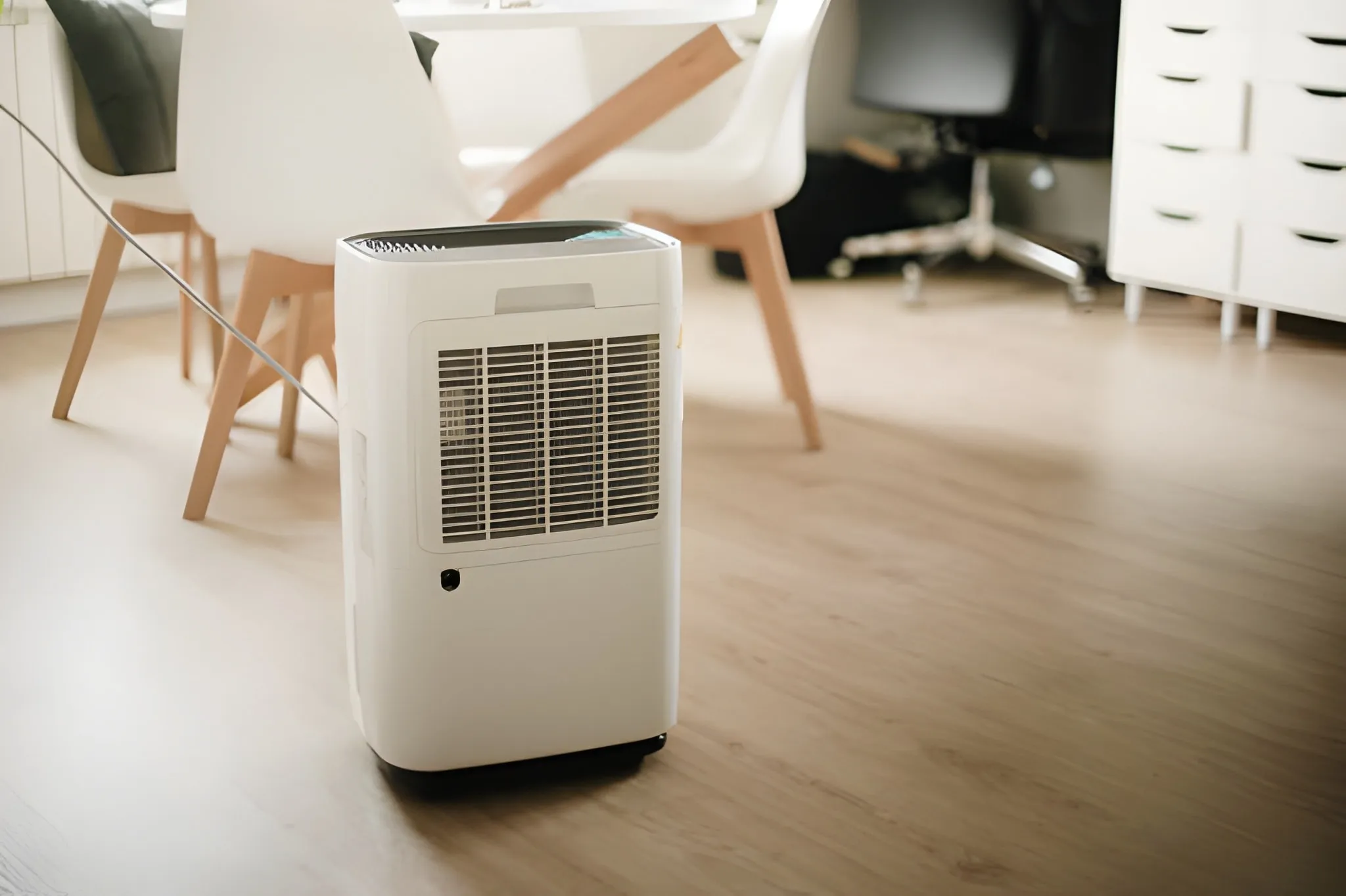
Whole House Dehumidifiers in Annapolis, MD
High humidity is a year-round concern in Annapolis, MD. Coastal proximity, warm summers, and seasonal rains can push indoor relative humidity well above comfortable and safe levels. Whole house dehumidifiers help control excess moisture across the entire ducted HVAC system, preventing mold, musty odors, and moisture-related damage while improving comfort. This page explains when a home needs a ducted dehumidifier, how units are sized and placed, integration with your HVAC, continuous drainage and controls, installation and commissioning steps, routine maintenance, and energy efficiency best practices tailored to Annapolis homes.
Why Annapolis homes often need whole house dehumidification
- High summertime humidity and occasional tropical humidity spikes increase indoor moisture load.
- Older coastal homes may have gaps, crawlspaces, or basements that bring in moisture.
- Homes with forced air HVAC systems can still have humidity problems if the system cannot remove moisture effectively during shoulder seasons when cooling runtime is limited.
- Musty smells, visible mold, condensation on windows, and sticky indoor air are common signs that a whole house solution is appropriate.
Common whole house dehumidifier types and when to choose them
- Ducted refrigerant dehumidifiers: Most common for single-family homes. Installed in the return or supply plenum of an existing HVAC system, they use a compressor and cooling coil to remove moisture.
- Desiccant dehumidifiers: Better for very low temperature or specialty applications. Rarely needed for typical Annapolis residential settings.
- Standalone portable dehumidifiers: Useful for single rooms, but ineffective for whole-house moisture control and can be costly to run continuously.
Choose a ducted whole house dehumidifier when whole-home humidity control is required, when you want centralized drainage and controls, or when you need to protect structural elements and indoor air quality across all living spaces.
Signs your home needs a ducted dehumidifier
- Consistent indoor relative humidity above 55 percent in summer or shoulder months.
- Mold growth on walls, in closets, or on window trim.
- Condensation on windows, pipes, or interior surfaces.
- Persistent musty odors in basements, crawlspaces, or main living areas.
- Allergy or respiratory issues believed to be triggered by indoor moisture and mold.
Sizing and placement - practical guidance
- Proper sizing starts with a moisture load assessment that considers square footage, number of occupants, local climate, envelope tightness, and sources of moisture such as bathrooms and kitchens.
- Typical residential capacity ranges: smaller homes or tight 1-2 bedroom units may need 40-60 pints per day, medium homes often 60-90 pints per day, and larger or leakier homes in humid coastal climates may require 90-140+ pints per day. Exact sizing requires a site-specific calculation.
- Best placement is in the HVAC return plenum or adjacent to the air handler so the unit treats air before it is redistributed. Avoid placing units where they will short-cycle on the supply side.
- Ensure access for service, a safe condensate drainage route, and adequate electrical supply as part of placement planning.
Integration with HVAC systems and controls
- Whole house dehumidifiers are commonly integrated with the forced air system so conditioned air is dehumidified before distribution.
- Integration options include independent humidistat control, direct interface with the HVAC thermostat, or smart controls that coordinate dehumidification with HVAC runtime to prevent conflicts.
- Proper integration prevents issues like heat buildup in the cooled air stream or reduced cooling efficiency. When integrated, the dehumidifier can operate during fan-only or heating cycles to remove moisture without unnecessary cooling.
- In Annapolis homes with heat pump systems, controls should be configured to avoid excess defrost cycles and maintain efficient operation.
Continuous drainage and condensate management
- Whole house units require reliable condensate removal. Gravity drains to a floor drain or utility sink are ideal when available and properly sloped.
- When gravity drainage is not possible, a condensate pump is installed. Pump selection should match expected condensate flow and include a safe overflow protection strategy.
- Drain lines should be insulated where condensation could form, and PVC or copper should be sloped and secured to avoid clogs and backups.
Installation and commissioning steps
- 1. Site assessment and moisture load calculation to determine capacity and placement.
- 2. Select unit type and integrate electrical requirements, ensuring dedicated circuit if required.
- 3. Install the unit into the return plenum or adjacent to the air handler, connecting duct transitions with sealed joints to avoid leaks.
- 4. Install condensate drain with proper slope or condensate pump, and provide overflow protection.
- 5. Connect controls and interface with the HVAC system and thermostat or install a standalone humidistat.
- 6. Commission by verifying airflow, capacity, control setpoints, and condensate removal. Test operation across modes and verify no negative interactions with the HVAC system.
- 7. Provide homeowner orientation on setpoints, control operation, and maintenance needs.
Routine maintenance and common issues
- Monthly or quarterly: Check and clean air filters and intake grilles to maintain airflow and efficiency.
- Annually: Inspect coils and drain lines for scale, mold, or blockages. Confirm condensate pump operation and clean the pump reservoir if present. Check electrical connections and control calibration.
- Common problems include poor drainage due to clogged lines, refrigerant leaks leading to reduced dehumidification, and improper control settings that let humidity creep up during low HVAC runtime. Timely maintenance prevents most issues.
Energy efficiency and operating tips for Annapolis households
- Aim for indoor relative humidity of 45 to 50 percent to balance comfort and energy use while minimizing mold risk.
- Coordinate dehumidifier runtime with HVAC cycles to avoid overuse; many systems are most efficient when the HVAC fan runs at variable speed.
- Ensure the home envelope is reasonably air-sealed: reducing infiltration lowers the moisture load and the size of the dehumidifier required. Attention to attic, crawlspace, and basement sealing is particularly important in coastal homes.
- Consider pairing dehumidification with mechanical ventilation or an ERV that helps control fresh air without adding excessive moisture.
Benefits of whole house dehumidification in Annapolis
- Reduces mold growth risk and protects building materials and finishes from moisture damage.
- Eliminates persistent musty odors and improves indoor air quality for allergy and asthma sufferers.
- Enhances comfort without overcooling the space, allowing thermostats to be set more comfortably.
- Helps reduce condensation on windows and pipes, protecting wood trim and preventing structural issues common in humid coastal environments.
Whole house dehumidifiers are a practical, long-term solution for managing moisture in Annapolis homes. Proper sizing, professional integration with the HVAC system, reliable condensate management, and routine maintenance are key to consistent, energy-efficient performance and long-lasting protection against moisture-related problems.

Service areas
