

Smart Thermostats Installation in Annapolis, MD
Tario HVAC makes smart thermostat installation in Annapolis, MD easy, offering precise climate control, energy savings, and modern integration for historic and newer homes alike. We guide homeowners through selecting compatible models, ensuring reliable Wi‑Fi setup, addressing wiring (including C-wire considerations), and providing professional mounting. A thorough on-site assessment, careful wiring, and system-specific interfaces ensure seamless operation with boilers, heat pumps, and zoned systems. Post-install tests verify cycling, sensors, and remote access, all supported by Tario HVAC's warranty coverage and ongoing maintenance to sustain long-term comfort and efficiency.
.webp)
Smart Thermostats Installation in Annapolis, MD
Smart thermostat installation in Annapolis, MD upgrades comfort control, improves HVAC efficiency, and makes managing your home climate simple from anywhere. For Annapolis homeowners dealing with humid summers, chilly winters, and a mix of historic and modern properties, a properly installed smart thermostat delivers reliable scheduling, adaptive learning, and clear energy-use reporting while ensuring compatibility with your existing heating and cooling system.
Why install a smart thermostat in Annapolis homes
- Remote temperature control: Change settings from your phone while at the office, on the Eastern Shore, or traveling — ideal for seasonal visitors or rental properties.
- Scheduling and presence detection: Set temperature schedules for weekdays, weekends, or based on when occupants are home; learning models adapt to routines automatically.
- Energy use reporting: Receive clear daily and monthly insights into HVAC runtime and trends so you can make smarter choices during humid summers and cold snaps.
- Smart home integration: Connect thermostats with Alexa, Google Home, or Apple HomeKit for voice control and automation scenes.
- Improved comfort and equipment longevity: Modern control logic can reduce short-cycling and balance temperature swings that stress older systems common in Annapolis neighborhoods.
Common smart thermostat types and common issues in Annapolis
- Learning thermostats: Adapt over time to occupant behavior; best for households with consistent routines.
- Programmable thermostats with remote access: Manual schedule setup with remote overrides; good for tech-light users.
- Compatibility-focused models: Designed for complex HVAC systems like multi-stage heat pumps or hydronic boilers.Common local challenges:
- Older homes and C-wire shortages: Many historic Annapolis houses lack a dedicated common wire (C-wire). Installers commonly add a C-wire, use a power extender kit, or select models that support battery operation.
- Wi-Fi dead zones in brick or older framed homes: Thick walls or layout can block signals, making mesh or a dedicated access point advisable.
- Boiler and steam system compatibility: Some thermostats require relays or interface modules to work with older steam or hot-water systems.
- Corrosion risk for outdoor components: Exposure to salt air near the Bay can affect outdoor units; proper thermostat control reduces unnecessary outdoor runtime.
Consultation and on-site assessment
A thorough installation starts with a targeted consultation and on-site assessment. Expect:
- HVAC compatibility check: Identification of system type (single-stage, multi-stage, heat pump, boiler, zoned system) and control requirements.
- Wiring inspection: Verification of thermostat wiring, detection of a C-wire, and assessment for required adapters or relay modules.
- Wi-Fi signal evaluation: Testing the signal strength at the thermostat location and identifying any need for mesh nodes or extenders.
- Location recommendations: Optimal thermostat placement away from direct sun, drafts, or interior heat sources to ensure accurate readings.
This assessment determines whether a simple swap is possible or if additional work (C-wire installation, control board interface, or relay setup) is needed to ensure reliable operation.
Wiring, mounting, and installation process
- Power safety and preparation: Turn off HVAC power at the breaker or system switch before beginning work.
- Existing thermostat removal: Label existing wires and photograph connections for fault-free reinstallation if needed.
- Wiring and C-wire solutions: If a C-wire is present, the installer connects it to the new thermostat. If missing, solutions include running a new wire, installing a power extender kit, or using models with low-voltage power modules.
- Mounting and physical installation: Secure wall plate, mount thermostat at recommended height, and ensure level and secure wiring terminals.
- System-specific interfaces: Add relays or interface modules for specific boilers, legacy controls, or multi-zone systems as required.
Wi‑Fi setup and smart home integration
- Network connection: Connect the thermostat to your home Wi‑Fi and verify stable signal. If signal strength is weak, recommend mesh placement or a local access point.
- Account setup and device registration: Create the thermostat account and register the device; configure home location, heating/cooling ranges, and schedules.
- Integrations: Pair with voice assistants and home automation platforms. Integration options typically include:
- Amazon Alexa and Google Home for voice temperature control
- Apple HomeKit support for Siri and Home app automation (model dependent)
- IFTTT or native automations for scene-based control (vacation mode, geofencing)
- Security and privacy configuration: Enable secure passwords, two-factor authentication if available, and review data-sharing settings.
Post-installation testing and verification
- System cycling tests: Run heating and cooling cycles to confirm proper staging, fan operation, and that the thermostat correctly communicates with the HVAC equipment.
- Sensor and algorithm checks: Verify temperature sensors and adaptive learning behavior (where applicable) to confirm accurate responses.
- Wi‑Fi and integration checks: Confirm voice commands, schedule triggers, and remote access function from mobile devices outside the home network.
- Documentation: Provide a brief rundown of how schedules work, where to find energy reports, and instructions for basic troubleshooting.
Warranty, updates, and support options
- Manufacturer warranty: Smart thermostats typically include a limited warranty covering defects and hardware failures; check model-specific terms for duration and coverage.
- Installer support: Professional installation often includes short-term support for setup and troubleshooting after installation. Firmware updates and remote diagnostics are common manufacturer features that improve reliability and introduce new functionality.
- Maintenance reminders: Regular software updates, occasional battery replacement where applicable, and seasonal checks help maintain accurate control and extend device life.
Maintenance tips and common troubleshooting
- Keep firmware current: Install updates to improve performance, fix bugs, and enhance integrations.
- Monitor Wi‑Fi health: If remote control becomes unreliable, test the Wi‑Fi at the thermostat and consider relocating mesh nodes or upgrading the router.
- Seasonal recalibration: Confirm heating and cooling setpoints at season changes to account for humidity and temperature shifts common in Annapolis.
- Battery checks: For models with battery backup, replace batteries annually or as indicated.
- Indoor sensor placement: Avoid placing thermostats near vents, sunny windows, or heat-generating appliances to prevent false readings.
Smart thermostats in Annapolis address local needs: battling humid summers, managing heating during bay-breezy winters, and updating controls in older historic homes. Proper assessment and professional installation ensure compatibility with boilers, heat pumps, and zoned systems, while strategic Wi‑Fi planning mitigates connectivity issues in denser downtown or waterfront properties. When selected and installed correctly, a smart thermostat enhances comfort, simplifies control, and provides transparent HVAC usage data to help you make informed, long-term decisions about home comfort and efficiency.

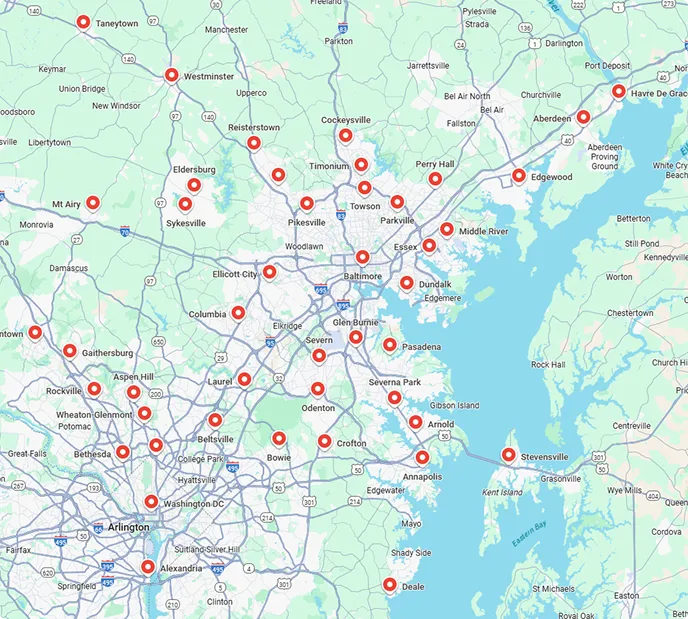
Service areas