

Whole House Air Purifiers in Aberdeen, MD
Whole-house air purification delivers continuous, whole-home air quality improvement when selected and installed with local Aberdeen conditions in mind. Proper technology pairing, correct in-duct placement, verified performance testing, and routine maintenance ensure you get meaningful reductions in allergens, particulates, microbes, and odors while protecting your HVAC investment. Tario HVAC can help you achieve healthier indoor air.
.jpeg)
Whole House Air Purifiers in Aberdeen, MD
Indoor air quality matters in Aberdeen, MD. Coastal humidity, seasonal pollen, diesel and industrial emissions in Harford County, and occasional regional wildfire smoke all increase airborne particulates and odors in local homes. Whole house air purifiers installed into your HVAC system offer continuous, whole-home protection that reduces allergens, pathogens, and odors while helping your HVAC run more efficiently. This page explains the main technologies, recommended installation approaches for Aberdeen homes, how performance is measured and tested, maintenance needs, health benefits, product comparisons, and what to look for in warranties.
Common whole-home air purification technologies
- HEPA filtration
- How it works: Mechanical filtration that captures particles down to 0.3 micron with very high efficiency.
- What it reduces: Pollen, dust, pet dander, many mold spores, most fine particulates (PM2.5).
- Pros/cons: Proven performance, no ozone risk. Requires a compatible housing and adequate HVAC fan capacity to avoid pressure drop.
- Typical performance: True HEPA media removes up to 99.97% of particles at 0.3 micron.
- UV germicidal irradiation (UVGI)
- How it works: UV-C light lamps in the airstream or on coils disable bacteria, viruses, and mold spores by damaging genetic material.
- What it reduces: Biological contaminants on coils and in moving air; reduces microbial regrowth on HVAC components.
- Pros/cons: Effective at coil sanitation and reducing airborne microbes; not a particle filter and less effective against odors or VOCs.
- Electronic air cleaners / electrostatic precipitators
- How it works: Particles are electrically charged and collected on plates.
- What it reduces: Fine particles and some smoke.
- Pros/cons: Low ongoing filter costs but requires regular plate cleaning. Some older or poorly designed units can produce ozone; choose certified low-ozone designs.
- Bipolar ionization / needlepoint ionization
- How it works: Generates positive and negative ions that attach to particles, causing them to clump and settle or be more easily captured.
- What it reduces: Particulates, some odors, and may reduce certain pathogens in lab settings.
- Pros/cons: Performance varies by product and manufacturer testing; look for independent third-party data and low ozone output. Best used alongside filtration.
Recommended installations within the HVAC system
- In-duct return installation: Most common. Placing the purifier at the return plenum treats all air before it reaches the furnace/air handler.
- Supply-side placement: Effective for distributing treated air quickly, useful when targeting odors or VOCs downstream of filters.
- Cabinet-mounted or stand-alone whole-house units: Larger modular units can be integrated into existing duct runs for minimal pressure drop.
- Coil-mounted UV: Install UV lamps near the evaporator coil to limit microbial growth and improve coil efficiency in humid coastal climates like Aberdeen.
- Key considerations for Aberdeen homes: Salt air increases corrosion risk. Choose corrosion-resistant housings or coatings and ensure outdoor components are rated for high-humidity environments. Ensure HVAC fan runtime supports whole-home circulation; extended fan operation improves purification effectiveness.
Performance metrics and testing approaches
- CADR and airflow: Clean Air Delivery Rate (CADR) or rated airflow indicates how much air a purifier can treat per minute. For whole-house systems, match capacity to HVAC airflow (CFM).
- Filter ratings: Use MERV ratings for system filters; HEPA is a higher standard than most residential MERV filters. Consider a multi-stage approach: washable pre-filter, MERV 8-13 or better, then HEPA where compatible.
- Air changes per hour (ACH): Higher ACH increases contaminant removal; aim for continuous circulation that achieves multiple air exchanges per hour for best results.
- Particle counting and baseline testing: Use particle counters (measuring PM2.5, PM10 and 0.3 micron counts) before and after installation to quantify improvement.
- Microbial and VOC testing: For pathogen or VOC concerns, use surface swabs, culture/ATP testing, and VOC meters to document reductions.
- Real-world validation: Independent third-party testing or manufacturer lab reports are helpful. In-home before/after symptom tracking for allergy sufferers provides practical evidence of benefit.
Maintenance, filter replacement, and longevity
- Filter schedules:
- Pre-filters: Inspect every 1-3 months; wash or replace as needed.
- MERV/HEPA filters: Typically 6-12 months depending on loading and local particulate levels; high pollen seasons or smoke events may require more frequent changes.
- UV lamps: Replace lamps according to manufacturer life (commonly 9-12 months of effective output), even if the lamp still emits light, because UV intensity decreases with use.
- Electronic/plate cleaners: Clean collection plates monthly to quarterly depending on load; inspect for corrosion given Aberdeen's humidity and salt exposure.
- System checks: Annual HVAC and purifier inspection ensures seals, housings, and electrical components remain in good condition. Salt contamination can accelerate wear in coastal climates, so look for protective finishes.
- Power and runtime: Continuous fan operation improves purification but increases energy use; balance runtime and filtration strategy for health priorities.
Health benefits and realistic expectations
- Allergy and asthma relief: HEPA-grade whole-house systems reduce indoor pollen, dust mite debris, and pet dander that trigger symptoms, often leading to measurable symptom reduction for occupants.
- Pathogen control: UVGI and high-efficiency filtration reduce microbial load; however, no single home system guarantees elimination of all pathogens. Use these technologies as part of a layered approach to infection risk reduction.
- Odor and VOC reduction: Activated carbon stages and ionization help reduce smells and some volatile organic compounds, but persistent chemical sources may require source control.
- Indoor comfort and HVAC protection: Cleaner coils and air pathways improve HVAC efficiency and extend equipment life, particularly important where high humidity and biological growth are common.
Product comparisons and selection checklist
Choose a system based on specific needs:
- If allergies/pollen are the priority: prioritize true HEPA filtration installed with adequate airflow.
- If mold and coil cleanliness are concerns in humid Aberdeen homes: include coil-mounted UV.
- If wildfire smoke or PM2.5 infiltration is a recurring problem: select high-efficiency filtration rated for fine particulates and confirm system airflow.
- If odor and VOCs are key: include an activated carbon stage and consider professional VOC testing.
- For longevity in coastal humidity: select corrosion-resistant materials and sealed housings.
Look for manufacturer clarity on performance metrics, independent test data, low-ozone certification for electronic or ionization products, and clear maintenance guidance.
Warranties and what to expect
Manufacturers typically offer limited warranties that cover defects in materials and workmanship for parts and sometimes for electronic components or UV lamps. Warranty durations vary by component: basic electronics and parts may have shorter coverage, while core housings and motors can carry longer terms. Confirm what is required to maintain warranty coverage, such as professional installation, regular maintenance, and equipment registration. For coastal installations, verify that warranty terms cover corrosion-related issues or whether special protective options are required.

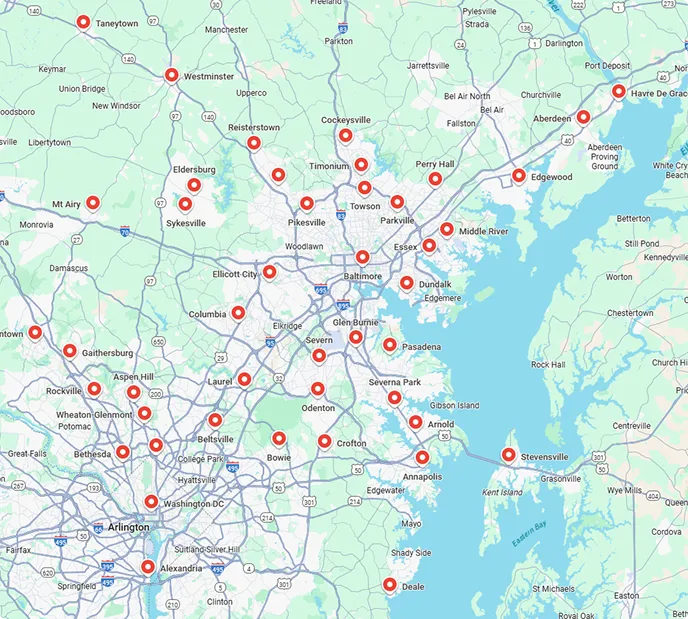
Service areas