


Ventilation in Aberdeen, MD
For Aberdeen, MD homes, Tario HVAC offers top-notch ventilation solutions designed to boost indoor air quality, manage moisture, and enhance comfort. We achieve this through both whole-home and targeted systems like ERV/HRV, supply, and exhaust, always providing guidance on code requirements and seamless integration with your existing HVAC. We'll walk you through our assessment methods, help you understand selection criteria, explain sizing according to ASHRAE 62.2, and detail the installation process, along with crucial maintenance and filter guidance. To help you make informed decisions, we've included local case studies, highlighted the many benefits, and answered common FAQs, all aimed at helping homeowners implement effective ventilation upgrades for better air quality and energy efficiency.
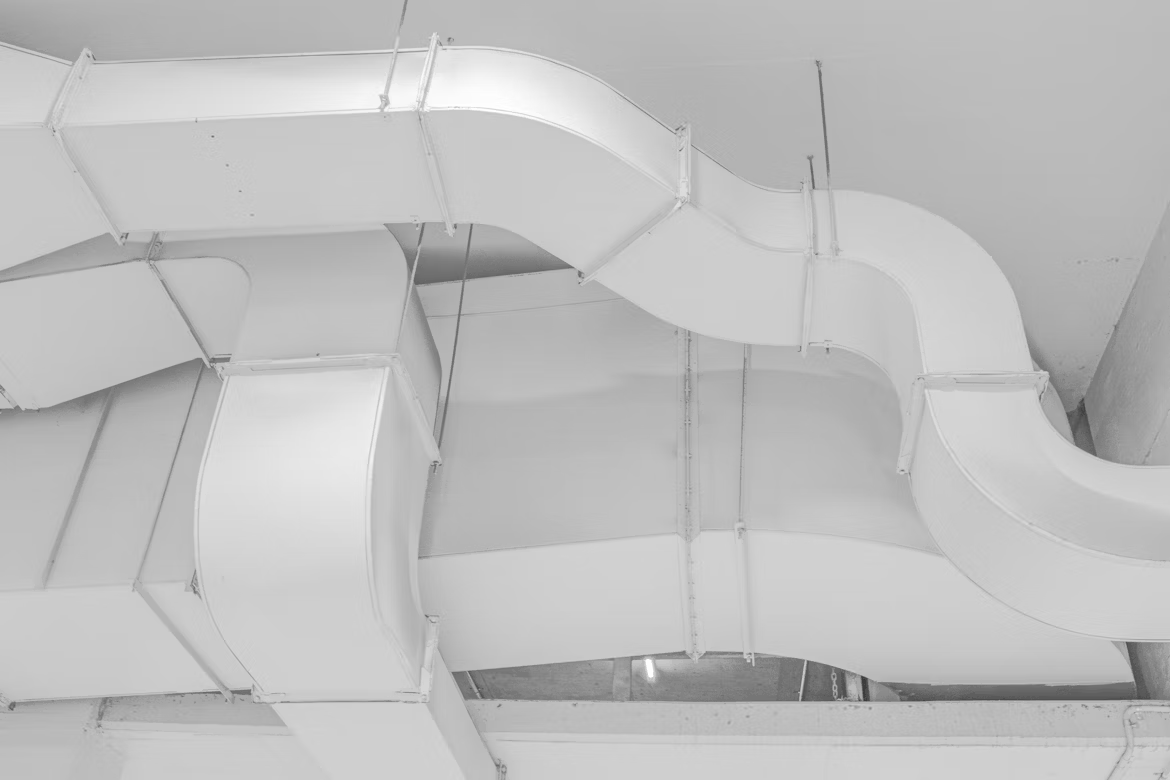
Ventilation in Aberdeen, MD
Proper ventilation is one of the most effective ways to protect indoor air quality, reduce moisture problems, and improve comfort in Aberdeen, MD homes. With hot, humid summers, cold winters and tidal influences from nearby Chesapeake Bay, many local houses experience excess humidity, condensation, and lingering odors that point to inadequate ventilation. This page explains whole-home and targeted ventilation solutions (ERV/HRV, supply and exhaust systems, bath and kitchen ventilation), relevant code and ventilation rate considerations, system selection and design, installation and integration with existing HVAC, maintenance guidance, and practical FAQs tailored to Aberdeen homes.
Why ventilation matters in Aberdeen, MD
- High summer humidity increases the risk of mold, dust mite growth, and musty odors.
- Tighter building envelopes from energy upgrades can trap pollutants and moisture without planned mechanical ventilation.
- Coastal proximity can introduce salt and airborne particulates that affect indoor air and HVAC longevity.
- Proper ventilation improves indoor comfort, reduces condensation on windows in winter, and helps control persistent odors and VOCs from modern building materials.
Common ventilation issues in Aberdeen, MD homes
- Inadequate bathroom and kitchen exhaust leading to mold on ceilings and grout.
- Stale interior air and elevated CO2 in tightly sealed homes.
- Condensation and dampness in basements or crawlspaces.
- Pressure imbalances causing drafts or pulling outdoor air through unintended pathways.
- High indoor humidity in summer despite air conditioning, because ventilation supplies moist outdoor air without dehumidification strategies.
Types of ventilation systems and where they fit
- Whole-home balanced ventilation (ERV or HRV)
- ERV (Energy Recovery Ventilator): transfers heat and some moisture between incoming and outgoing air; good for humid climates when you want to moderate humidity transfer.
- HRV (Heat Recovery Ventilator): transfers heat but not moisture; often used in colder, drier climates.
- Best for tightly sealed homes that need controlled fresh air without large energy penalties.
- Supply ventilation systems
- Bring filtered, conditioned outdoor air into the home; can pressurize the house to reduce infiltration from basements or garages.
- Useful where outdoor air quality is good and filtration is required.
- Exhaust ventilation systems
- Simple and cost-efficient for removing indoor pollutants; common in retrofit situations for kitchens and bathrooms.
- Can create negative pressure that may draw air from undesirable locations unless carefully designed.
- Targeted ventilation
- Bath and kitchen exhaust fans sized to code-rated CFM and vented to the exterior.
- Spot ventilation for laundry rooms, garages, or rooms with combustion appliances.
Code and ventilation rate considerations
- Design should reference ASHRAE 62.2 ventilation rate guidelines for residential homes and local building codes in Harford County.
- Ventilation rates depend on occupancy, floor area, and specific room use (kitchens and baths have higher localized needs).
- Combustion appliance safety: ensure balanced systems and proper makeup air so combustion appliances operate safely without backdrafting.
- Bathrooms and kitchens should vent directly outdoors; recirculating fans do not meet code for moisture control.
How we assess and design a ventilation solution
- Diagnostic steps:
- Visual inspection for moisture, mold, and vent terminations.
- Blower door or simple pressure testing to understand envelope tightness.
- Airflow measurements using balometers or anemometers for existing fans.
- Indoor humidity and CO2 spot measurements to establish baseline conditions.
- Design considerations:
- Choose ERV vs HRV vs supply/exhaust based on humidity patterns, envelope tightness, and indoor moisture sources.
- Size equipment to meet ASHRAE 62.2 requirements and account for peak occupant loads.
- Plan duct routing to minimize noise and duct losses; locate intakes away from pollutant sources like driveways or HVAC exhausts.
- Coordinate ventilation controls with HVAC scheduling and filtration.
Typical installation and integration steps
- Finalize system type and layout based on diagnostic findings and home architecture.
- Install intake and exhaust terminations with insect screens and weatherproofing, positioned to code distances.
- Mount ERV/HRV or supply fan in conditioned or semi-conditioned space for longevity and efficiency.
- Run insulated ducts where needed and connect to existing HVAC return or directly to living spaces depending on design.
- Integrate controls and timers, consider humidity-based control or demand-controlled ventilation if CO2/humidity monitoring is used.
- Commission and balance the system: measure delivered CFMs, verify pressures, and confirm that bathroom/kitchen fans meet rated performance.
Maintenance and filter guidance
- ERV/HRV:
- Inspect and clean core and filters seasonally; replace filters per manufacturer interval or sooner in high particulate environments.
- Check condensate drainage in cooling months to prevent clogging.
- Exhaust and supply fans:
- Clean fan housings and grilles annually; verify exterior terminations remain free of debris and nests.
- Filters:
- Use appropriate MERV-rated filters matched to system requirements; avoid overly restrictive filters on systems not designed for them.
- Seasonal checks:
- Inspect seals on duct penetrations and intake/exhaust terminations after storm seasons and winter heating.
Local case examples (summaries)
- Older Aberdeen bungalow with chronic bathroom mold: replaced undersized bathroom fan with dedicated 80 CFM fan vented to the roof and added intermittent whole-house supply ventilation timed to occupancy; humidity problems resolved and drying times improved.
- Energy-upgraded townhouse near the Bay: tight envelope plus coastal humidity led to persistent musty odors. Installation of an ERV integrated with the existing furnace improved air exchange while limiting moisture transfer and reducing odor complaints.
Benefits of timely ventilation upgrades
- Reduced mold risk and improved comfort during humid months.
- Better control of indoor odors, VOCs, and CO2 for healthier living spaces.
- Energy savings when using energy recovery devices compared to uncontrolled ventilation.
- Compliance with modern ventilation guidelines for resale value and occupant safety.
Frequently asked questions
Q: Should I choose an ERV or HRV for Aberdeen?
A: For Aberdeen’s humid summers, an ERV is often recommended because it transfers a portion of moisture and reduces the load on dehumidification systems. HRVs are more suitable for consistently cold, dry climates.
Q: How do I know if my home needs whole-house ventilation?
A: Signs include persistent odors, condensation on windows, visible mold, high indoor humidity, or complaints of stale air after tightening insulation and sealing drafts.
Q: Will ventilation increase my energy bills?
A: Mechanical ventilation adds some energy use, but ERV/HRV systems recover heat and reduce overall HVAC load. Proper design minimizes energy impact while delivering required fresh air.
Q: Can bathroom fans alone solve moisture problems?
A: Properly sized and vented bathroom fans help, but whole-house or supply ventilation is often needed if moisture and air quality issues are widespread or the home is very tight.
Q: How often should ERV/HRV filters be changed?
A: Check filters seasonally; many homes require replacement every 3 to 12 months depending on use and local particulate levels.

Service areas