

Whole House Air Filters in Aberdeen, MD
For Aberdeen, MD homes, Tario HVAC is here to guide you on how to choose and maintain whole-house air filters. Our goal is to improve your indoor air quality, protect your HVAC equipment, and enhance comfort. We cover essential topics like different filter types, MERV ratings, and compatibility with common systems, along with installation and replacement schedules tailored to local conditions. You'll find practical maintenance tips, important humidity considerations, and effective strategies for dealing with pollen, smoke, and dust. We also provide recommended MERV ranges, troubleshooting guidance, and steps to help you balance filtration performance with system efficiency in your Aberdeen home.
.jpeg)
Whole House Air Filters in Aberdeen, MD
Breathing cleaner air at home starts with the right whole-house filtration strategy. In Aberdeen, MD, where humid summers, seasonal pollen, road dust from nearby I-95, and occasional smoke or construction dust affect indoor air, upgrading or choosing the correct whole-house air filter can reduce allergies, protect HVAC equipment, and improve overall comfort. Let's explore filter types, MERV rating guidance, system compatibility, installation and replacement schedules, and practical maintenance tips tailored to Aberdeen homes.
Common indoor air quality problems in Aberdeen, MD homes
- Seasonal pollen and tree allergens during spring and fall that aggravate allergies and asthma.
- High indoor humidity in summer promoting dust mites and mold growth in basements and attics.
- Road and diesel particulate from local traffic corridors and nearby industrial activity that raise fine particle levels.
- Construction and renovation dust in growing neighborhoods, which increases coarse and fine particulates.
- Pet dander and household dust that circulate through central HVAC systems.
Understanding these local drivers helps Tario HVAC select filters that address the contaminants most likely to affect your household.
Types of whole-house filters and MERV rating guidance
Whole-house filters fall into two broad categories: standard disposable pleated filters and media (deep-pleat or roll) filters. The industry uses MERV (Minimum Efficiency Reporting Value) to rate particle-capture performance.
- MERV 1–4: Basic fiberglass filters — protect equipment from large debris but provide minimal allergen or fine particle removal. Not recommended for improving IAQ.
- MERV 5–8: Better for dust and pollen; common in basic homes. Good for general dust control.
- MERV 9–12: Effective for pet dander, mold spores, and smaller dust. Balanced choice for many homes with allergy concerns.
- MERV 13–16: High-efficiency capture of fine particulates including smoke and bacteria-sized particles. Often recommended for homes with severe allergy or immunocompromised occupants, but requires HVAC systems designed to handle higher pressure drop.
Recommendations for Aberdeen, MD from Tario HVAC:
- Typical households seeking better IAQ: MERV 8–11 (good pollen, dust, and pet control without major airflow impacts).
- Allergy-prone households or those worried about seasonal pollen/smoke: MERV 11–13 when the system can accommodate it.
- Homes needing advanced protection (immune-compromised occupants or wildfire smoke events): MERV 13+ but only after confirming HVAC compatibility or using supplemental solutions.
Media filters vs standard disposable pleated filters
- Media filters (deep-pleat or roll media):
- Pros: Larger surface area, longer service life, and higher dust-holding capacity with lower resistance for the same efficiency. Better choice for higher MERV ratings without excessive pressure drop.
- Cons: Larger housings required, higher upfront cost, and some require professional installation.
- Standard disposable pleated filters:
- Pros: Easy to replace, inexpensive up front, available in many filter sizes and MERV ratings up to about 13.
- Cons: Shorter service life and lower dust-holding capacity; higher ongoing replacement frequency.
In Aberdeen homes with higher humidity or heavy seasonal pollen, Tario HVAC often finds that media filters offer a better balance of extended life and consistent performance.
Compatibility with HVAC systems and filter housings
Not every filter is right for every system. Key compatibility considerations:
- Filter housing size and depth: Many furnaces/air handlers accept 1–2 inch disposable filters; media filters commonly require 4–6 inch housings.
- Airflow and blower capacity: Higher MERV filters create more resistance. Confirm blower motor capacity and duct design to avoid reduced airflow or frozen coils in air conditioning mode.
- Single-stage vs multi-stage filtration: Some systems combine a primary whole-house filter with supplemental solutions (electrostatic filters, UV lights, or HEPA-grade in-duct cleaners).
- Retrofit constraints: Installing a deeper media filter often requires adding or replacing the filter rack or housing, which is a common retrofit in older homes.
Always check manufacturer specifications for your HVAC equipment to avoid warranty or performance issues. Tario HVAC can help you with this assessment.
Installation and replacement schedules
- Disposable pleated filters: Inspect monthly; replace every 1–3 months depending on MERV rating, occupancy, pets, and seasonal pollen.
- Media filters: Inspect at least every 3 months; many last 6–12 months before replacement depending on load and local pollutant levels.
- Seasonal adjustments: Increase inspection frequency during spring pollen peaks and fall leaf/cleanup periods. After heavy smoke or renovation, replace filters sooner.
- Best practices: Note the pressure drop when the filter is new and compare periodically; a rising static pressure indicates the filter is loaded and needs replacing. Tario HVAC can help you monitor this.
Impact on indoor air quality and system efficiency
- Improved filtration reduces allergens, dust accumulation on surfaces, and particulate matter that can worsen respiratory conditions. In Aberdeen, this can noticeably reduce pollen and localized diesel particulate infiltration.
- Trade-offs: Higher-efficiency filters can increase static pressure, potentially reducing airflow and system efficiency if the HVAC system is not sized for the filter. Proper selection (e.g., media filters with larger surface area) minimizes this risk, and Tario HVAC can guide you.
- Equipment protection: Cleaner air reduces dust buildup on coils and blowers, which helps maintain heat-exchange efficiency and can extend component life.
Recommendations for Aberdeen, MD homeowners
- For balanced IAQ and energy performance: Tario HVAC suggests considering a 4–6 inch media filter rated MERV 8–11 for typical family homes. This addresses pollen and pet dander while offering long life and lower pressure drop.
- For allergy-sensitive households: upgrade to MERV 11–13 media or high-quality pleated filters, and increase inspection frequency during pollen season. Pair filtration with humidity control to prevent mold spore growth in summer.
- For smoke events or elevated outdoor pollution: use MERV 13-rated filtration temporarily or supplement with portable HEPA units in occupied rooms to protect occupants without permanently stressing the HVAC system.
- When retrofitting older systems: verify filter rack size and blower capability before increasing MERV. If HVAC limitations exist, a staged approach—improve sealing, add return filters, and address humidity—can produce better overall IAQ. Tario HVAC can assist with this assessment.
Maintenance tips to maximize filter performance
- Keep a simple replacement log and inspect filters more often during peak allergy or dust seasons.
- Seal gaps around filter housings and returns to prevent bypass.
- Maintain proper indoor humidity (35–50%) to reduce dust mite and mold growth. Aberdeen’s summer humidity often makes a dehumidifier or properly sized AC system beneficial.
- Clean returns and supply registers periodically to reduce surface dust and improve airflow.
- Monitor system static pressure when upgrading to higher-MERV filters; consult Tario HVAC if pressure rises significantly.
Whole-house air filtration is a practical, long-term investment in home health and HVAC longevity. Matching filter type and MERV rating to your Aberdeen home’s local pollution profile, occupant sensitivities, and HVAC capacity yields better indoor air quality without unintended system impacts. Trust Tario HVAC to help you make the right choice.

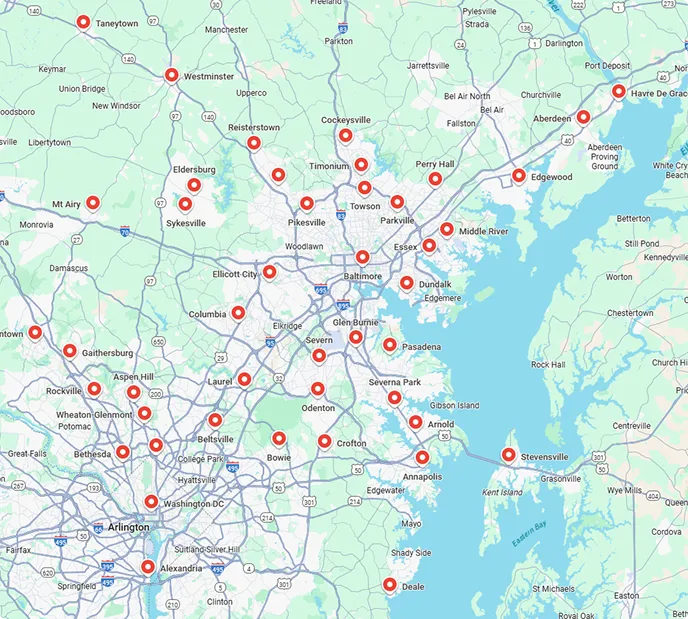
Service areas