

Furnace Tune-Up in Bowie, MD
Keeping your furnace running safely and efficiently is essential for comfort and peace of mind in Bowie, MD. A professional furnace tune-up from Tario HVAC is a preventive maintenance service that does more than clean parts. It uncovers hidden safety risks, restores efficiency lost to wear and deposits, and reduces the chance of an untimely breakdown during cold snaps. For Bowie homes facing humid summers, salty air near the Chesapeake Bay, and cold winters with occasional Nor’easters, timely tune-ups are especially important to protect equipment and maintain steady heat when you need it most.
.jpeg)
Furnace Tune-Up in Bowie, MD
Keeping your furnace running safely and efficiently is essential for comfort and peace of mind in Bowie, MD. A professional furnace tune-up is a preventive maintenance service that does more than clean parts. It uncovers hidden safety risks, restores efficiency lost to wear and deposits, and reduces the chance of an untimely breakdown during cold snaps. For Bowie homes facing humid summers, salty air near the Chesapeake Bay, and cold winters with occasional Nor’easters, timely tune-ups are especially important to protect equipment and maintain steady heat when you need it most.
What a professional furnace tune-up includes
A full-service tune-up follows a consistent checklist to verify safety and optimize performance. Typical elements include:
- Safety inspection of connections, vents, and combustion chamber for cracks, corrosion, or blockages.
- Burner and ignition system checks and adjustments to ensure reliable starting and steady flame.
- Combustion analysis (flue gas testing) to verify proper fuel-to-air ratio and to detect elevated carbon monoxide or combustion inefficiency.
- Thermostat calibration to ensure the furnace responds accurately to set temperatures.
- Airflow evaluation including blower motor inspection, duct connections, and static pressure where needed.
- Filter evaluation and replacement recommendations; cleaning of accessible components, condensate drain checks for high-efficiency furnaces.
- Visual and electrical inspection of controls, safety switches, wiring, and limit switches.
- Documentation of findings and a clear service report with recommended repairs or parts replacements.
Each step targets common failure points so technicians can both correct immediate issues and advise on longer-term care.
Common furnace problems in Bowie, MD homes
Bowie’s local climate and housing stock create certain recurring issues:
- Restricted airflow from dirty filters or older ductwork, often made worse by high humidity.
- Corrosion or rust on external venting and components near coastal or humid zones.
- Pilot or ignition problems that lead to intermittent heating, commonly due to age or buildup.
- Inefficient combustion from clogged burners or improper fuel-air mix, raising fuel use and emissions.
- Short cycling caused by thermostat miscalibration, airflow restrictions, or failing control components.
- Condensate blockages or corrosion in high-efficiency models, especially after summer humidity.
A tune-up targets these issues before they cause a breakdown or safety hazard.
Diagnostic process and what technicians look for
During a tune-up, the technician follows a diagnostic sequence to isolate root causes:
- Visual safety inspection of the furnace, venting, and surrounding area.
- System startup and operational checks to observe ignition, flame pattern, and startup cycle.
- Combustion analysis using a flue gas analyzer to measure CO, CO2, oxygen, and draft.
- Electrical and control testing to ensure motors, relays, and safety switches operate within specifications.
- Airflow and filter assessment; ductwork inspected where accessible.
- Final performance check and report generation noting any recommended repairs or part replacements.
Technicians use these diagnostics to prioritize safety issues first, then performance and efficiency improvements.
Typical repairs and solutions identified during tune-ups
Common corrective actions recommended after a tune-up include:
- Replacing clogged air filters and advising on correct MERV ratings for Bowie homes.
- Cleaning burners and pilot assemblies or replacing ignition modules for intermittent start issues.
- Adjusting or replacing thermostats for more accurate temperature control and to eliminate short cycling.
- Sealing or repairing venting and duct leaks to restore safe draft and improve heat delivery.
- Replacing corroded components or condensate lines in high-efficiency units susceptible to humidity-related damage.
- Tightening electrical connections and replacing worn capacitors or motors to prevent failures.
Most repairs are straightforward when identified early during a tune-up, which is why preventive service pays off.
Performance and safety benefits
A professional furnace tune-up delivers measurable benefits:
- Improved fuel efficiency and lower monthly heating costs due to optimal combustion and airflow.
- Reduced risk of carbon monoxide exposure through combustion testing and vent inspections.
- Fewer emergency repairs and longer equipment life by catching wear early.
- Better indoor comfort through consistent temperature control and reduced short cycling.
- Preservation of warranty coverage for many manufacturers that require annual maintenance.
For Bowie homeowners concerned about energy bills and cold-weather reliability, these benefits translate to both comfort and savings.
Recommended tune-up intervals for Bowie, MD
Annual tune-ups are the standard recommendation for most residential furnaces. For Bowie homes, schedule maintenance in the fall before sustained heating needs begin. Homes with older equipment (10 years or more), high usage, or those located near coastal or humid microclimates may benefit from semiannual inspections to address corrosion-prone components and condensate management.
High-efficiency furnaces often require more detailed checks of condensate systems and heat exchangers, so follow manufacturer guidance and consider an annual professional check even if you perform routine filter changes.
Membership and maintenance plans (overview)
Many HVAC providers offer maintenance memberships or seasonal plans that bundle tune-ups and priority service. Typical features of membership plans include:
- Scheduled annual inspection and tune-up before heating season.
- Priority scheduling during peak demand and seasonal weather events.
- Discounts on diagnostic fees and certain repairs or parts.
- Record keeping and reminders to keep maintenance on schedule.
Memberships are structured to encourage regular service, reduce emergency repairs, and help homeowners in Bowie plan routine maintenance without last-minute hassles.
How homeowners typically arrange seasonal maintenance
Homeowners in Bowie usually plan their furnace tune-up by arranging a fall inspection with a licensed HVAC technician. Common approaches include scheduling an appointment through a provider’s online booking portal, calling local HVAC professionals, or enrolling in a maintenance plan that automatically schedules annual service. It is prudent to book tune-ups before October to ensure availability before the first prolonged cold spell.
Maintenance tips for Bowie homes between professional visits
- Replace or clean furnace filters every 1 to 3 months depending on household dust, pets, and filter type.
- Keep furnace area clear of clutter and combustible materials.
- Verify that vents and registers are open and unobstructed for balanced airflow.
- Test carbon monoxide detectors monthly and replace batteries annually.
- Note any unusual noises, smells, or cycling behavior and document when it started to share with your technician.
Regular homeowner attention combined with annual professional tune-ups reduces risk and maintains efficient operation.
FAQ
Q: How long does a professional furnace tune-up usually take?
A: Most tune-ups take about 45 to 90 minutes depending on the furnace type, age, and whether any repairs are needed.
Q: Will a tune-up lower my energy bills right away?
A: You may see improved efficiency and reduced fuel use after a tune-up, especially if airflow issues or dirty burners were corrected.
Q: Can a tune-up detect carbon monoxide leaks?
A: Combustion analysis and vent inspections performed during a tune-up will detect unsafe combustion and venting conditions that can lead to carbon monoxide, but working detectors are still essential.
Q: How often should I replace my furnace filter?
A: Replace or clean filters every 1 to 3 months based on filter type, occupancy, pets, and indoor air quality needs.
Q: Is an older furnace worth tuning up or should I consider replacement?
A: A tune-up can extend the life and improve safety of an older furnace, but if repairs are frequent or efficiency is very low, a technician can provide a replacement evaluation and cost-benefit comparison.

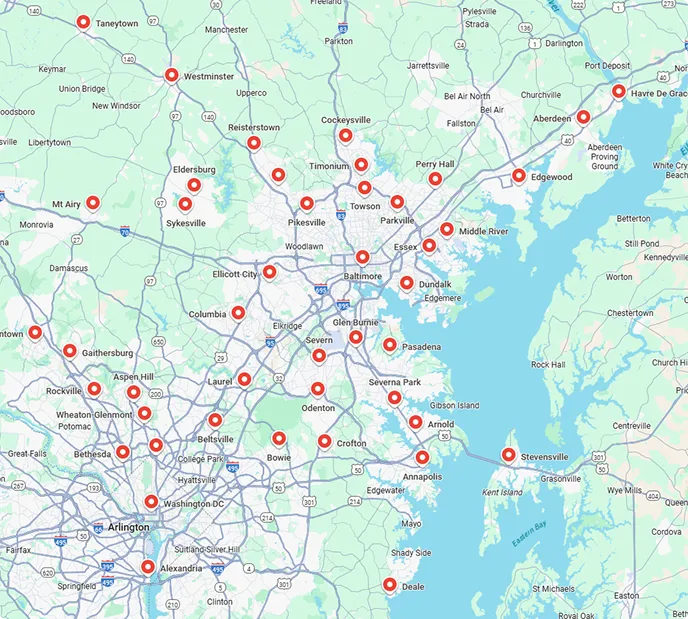
Service areas