



Furnace Maintenance in Bowie, MD
Keeping your furnace in top condition is essential for reliable heat, lower energy bills, and family safety through the colder months in Bowie, MD. Regular furnace maintenance from Tario HVAC detects small problems before they become breakdowns, restores efficiency lost to wear and dirt, and verifies safe operation of gas and venting systems. Tario HVAC provides thorough seasonal and routine maintenance, addressing common furnace issues seen in Bowie homes. We recommend service frequency and outline what to expect from our maintenance plans or service agreements.
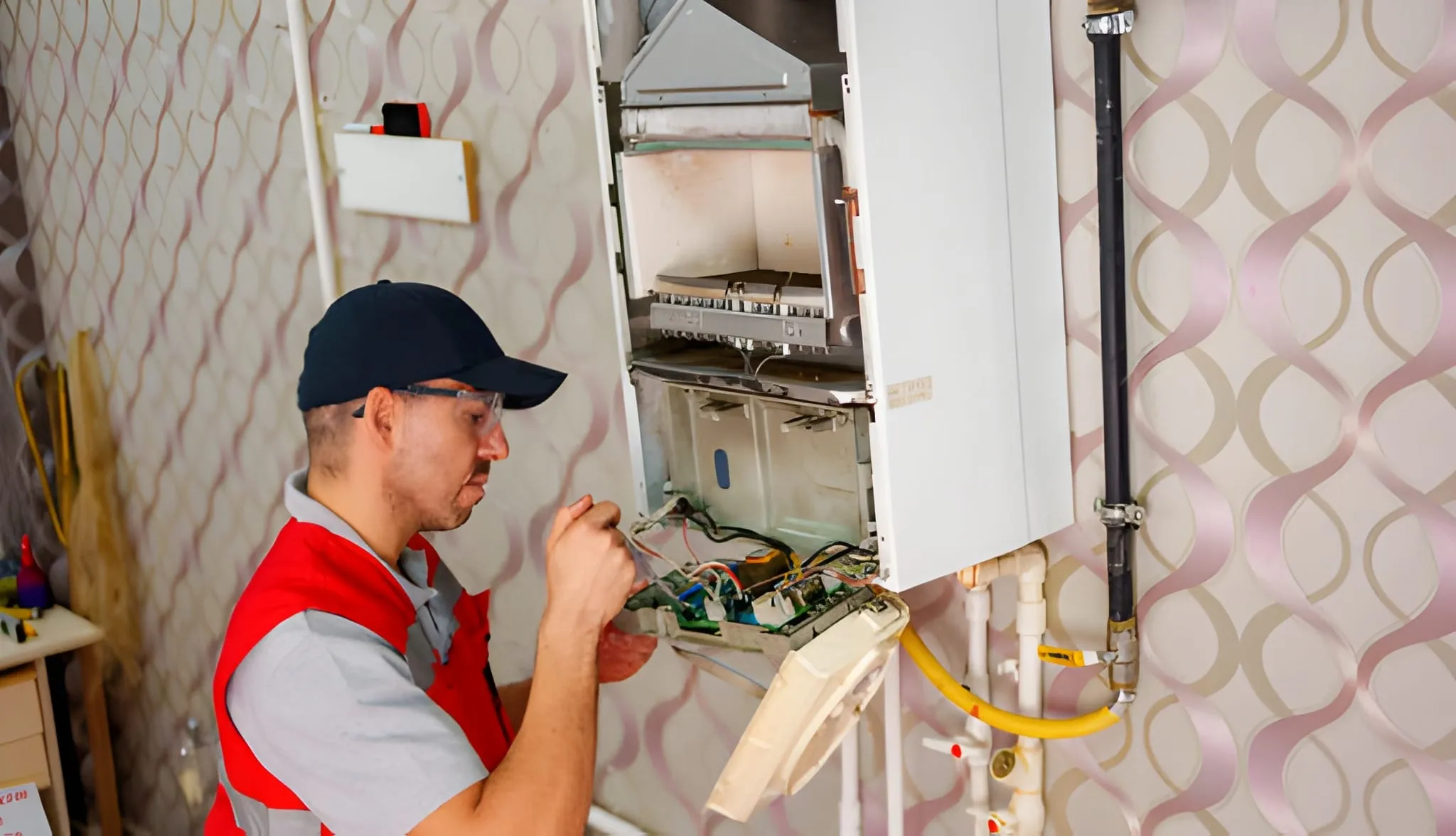
Furnace Maintenance in Bowie, MD
Keeping your furnace in top condition is essential for reliable heat, lower energy bills, and family safety through the colder months in Bowie, MD. Regular furnace maintenance detects small problems before they become breakdowns, restores efficiency lost to wear and dirt, and verifies safe operation of gas and venting systems.
Why seasonal furnace maintenance matters in Bowie, MD
Bowie experiences humid summers and cold winters with occasional freezing temperatures and snow. That climate pattern means furnaces sit idle through warmer months, then must perform reliably during fluctuating fall and winter conditions. Humidity and seasonal temperature swings contribute to corrosion, condensate issues on high-efficiency systems, and dust accumulation after long summers. Timely maintenance helps:
- Restore lost heating efficiency and reduce monthly energy costs
- Prevent mid-winter failures when service times are longest
- Ensure safe combustion and venting to reduce carbon monoxide risk
- Extend furnace lifespan and delay costly early replacement
Common furnace maintenance issues in Bowie homes
Homeowners in this region commonly request maintenance for these problems:
- Clogged filters causing restricted airflow, reduced efficiency, and uneven heating
- Dirty burners or flame sensors that lead to hard starting or shutdowns
- Weak or noisy blower motors due to dust buildup, worn belts, or failing bearings
- Poor combustion efficiency from improper gas pressure or misaligned burners
- Condensate drain clogs and corrosion on high-efficiency condensing furnaces
- Cracked heat exchangers or vent blockages that create safety hazards
- Thermostat calibration errors or zoning controls not communicating properly
- Duct leaks and insulation gaps that waste heat and increase energy use
What a thorough furnace tune-up includes
A professional seasonal furnace maintenance visit is more than a filter change. Typical inspection and service steps include:
- Visual inspection of the entire heating system, flue, and vents for corrosion, leaks, or obstructions
- Replacement of disposable air filters or inspection of reusable filters and media
- Cleaning of burners, flame sensors, and ignition components to ensure consistent ignition
- Combustion analysis for gas systems to check efficiency and correct combustion levels
- Inspection and lubrication of blower motor, bearings, belts, and pulleys; measure airflow
- Inspection of the heat exchanger for cracks or signs of stress and soot buildup
- Checking and testing safety controls: limit switches, rollout sensors, and pressure switches
- Examination and clearing of condensate lines and traps on condensing furnaces
- Thermostat calibration and verification of proper cycling and temperature control
- Visual and pressure inspection of gas lines and connections for leaks and integrity
- Assessment of ductwork basics: visible leaks, insulation, and return air paths
- Recommendations for repairs, replacement parts, or system upgrades when warranted
How maintenance improves safety, reliability, and efficiency
Regular preventive maintenance produces measurable benefits:
- Safety: Detects venting problems and damaged heat exchangers that can allow carbon monoxide into the home
- Reliability: Reduces risk of unexpected failures during peak cold snaps by catching worn parts early
- Efficiency: Cleaning and tuning restore furnace efficiency, lowering fuel or electricity consumption
- Longevity: Proper lubrication, adjustment, and part replacement extend the useful life of the system
- Comfort: Improved airflow and calibrated controls provide steadier, more even heating
Recommended maintenance frequency for Bowie residents
- Annual professional inspection and tune-up every fall before the heating season begins. This is the minimum for gas and electric furnaces.
- Filter replacement or cleaning every 1 to 3 months depending on filter type, household pets, and indoor air quality needs.
- Mid-season check for homes with older equipment, chronic issues, or heavy use during extremely cold stretches.
- Biannual checks may be appropriate for homes with combined heating and cooling systems to ensure year-round system health.
Typical maintenance plans and service agreements
Maintenance agreements are structured to offer predictable care and priority during busy seasons. Standard inclusions you can expect in a typical maintenance plan:
- Scheduled annual or semiannual inspections and tune-ups
- Preferred or priority scheduling during high-demand months
- Standard diagnostic checks and basic safety tests included with visits
- Discounted labor and parts pricing for covered repairs
- Filter delivery or replacement service options as part of a subscription
- Clear scope of what items are covered and which repairs are billed separately
These plans help homeowners budget for regular upkeep and avoid long waits in peak winter service windows. When comparing plans, review the scope of inspection, included services, and any exclusions related to older or nonstandard equipment.
When maintenance may not be enough
Maintenance corrects wear, cleaning needs, and tune-up items. However, you may see diminishing returns if your system:
- Is more than 15 to 20 years old with declining efficiency
- Requires frequent repairs for major components like the heat exchanger or blower motor
- Shows persistently high fuel bills despite routine servicing
- In those cases a system evaluation can determine whether replacement will be more cost effective over the long term.
Simple homeowner maintenance tips between professional visits
- Check and change filters monthly during heavy use; a clean filter is the most impactful homeowner task
- Keep registers and return grills clear of furniture and rugs to maintain airflow
- Test carbon monoxide detectors monthly and replace batteries annually
- Clear snow, leaves, and debris from outside vent terminations to prevent blockages
- Note unusual noises, odors, or cycling patterns and schedule a professional check if they appear
Q: How often should I schedule furnace maintenance in Bowie, MD?
A: Annual professional tune-ups every fall are recommended, with filter checks every 1 to 3 months and extra attention for older systems or homes with pets.
Q: What does a furnace safety inspection include?
A: Safety inspections verify venting and flue integrity, check combustion safety controls, test for proper burner operation, and inspect the heat exchanger for cracks or damage.
Q: Can maintenance reduce my heating bills in Bowie?
A: Yes. Cleaning, tuning, and restoring airflow often improves furnace efficiency, lowering fuel consumption and monthly heating costs.
Q: Are maintenance plans worth it for Bowie homeowners?
A: Plans offer predictable service, priority scheduling during cold months, and commonly include discounts on repairs, making them useful for homeowners who value convenience and reduced downtime.
Q: What signs mean I need a maintenance visit right away?
A: Sudden loss of heat, odd noises, visible soot, yellow or irregular flame color, frequent cycling, or activation of carbon monoxide alarms all warrant immediate professional inspection.

Service areas
