

Water Heater Repair in Germantown, MD
A reliable water heater is essential for comfortable living in Germantown, MD. Cold winters and seasonal temperature swings increase household demand for hot water, while the area’s moderately hard water can accelerate sediment buildup and corrosion. If your gas or electric water heater is underperforming, leaking, making unusual noises, or failing to ignite, prompt diagnostic and repair services from Tario HVAC protect your safety, restore comfort, and extend the life of the system.
.webp)
Common Water Heater problems in Germantown homes
Homeowners in Germantown typically call for repairs related to these issues:
- No hot water or inconsistent hot water temperature
- Leaks from the tank, fittings, or pressure relief valve
- Gas pilot light or ignition failures on gas units
- Faulty thermostats or heating elements on electric units
- Excessive noise from sediment buildup
- Low hot water volume caused by a broken dip tube or scale
- Corrosion of the tank or a failing anode rod
- Malfunctioning temperature and pressure relief valve
- Safety concerns such as suspected gas leaks or venting problems
How diagnostics work
A thorough diagnosis isolates the root cause so you get the right repair, not a temporary fix. Typical diagnostic steps include:
- Visual inspection of tank, valves, fittings, and visible plumbing for leaks or corrosion
- Checking electrical supply, circuit breakers, and element continuity for electric heaters
- Confirming gas supply, pilot assembly, thermocouple, and ignition system operation for gas heaters
- Testing thermostat settings and verifying temperature differentials
- Measuring pressure and confirming operation of the temperature and pressure relief valve
- Assessing tank interior condition with a drain to check sediment and anode rod health
- Inspecting venting and combustion components for proper draft and carbon monoxide risks
Diagnostics are focused on safety first. For gas systems, technicians check for proper combustion, ventilation, and any signs of gas leaks or carbon monoxide hazards.
Typical repairs and replacements
Based on the diagnosis, common repairs include:
- Replacing faulty heating elements or thermostats on electric units
- Repairing or replacing pilot assemblies, thermocouples, or ignition controls on gas units
- Repairing or replacing leaking valves, fittings, or the temperature and pressure relief valve
- Flushing the tank to remove sediment and restore heating efficiency
- Replacing dip tubes, anode rods, or sacrificial components that protect the tank
- Repairing or replacing drain valves and overflow connections
- Addressing corroded or leaking tanks when repair is no longer safe or effective
Repairs focus on restoring reliable hot water and preventing recurring failures by replacing worn parts with quality components and testing system performance after service.
Safety inspections and emergency repairs
Safety inspections are essential, especially for gas water heaters. Inspections evaluate:
- Gas line integrity and leak detection
- Proper venting and combustion air supply
- Carbon monoxide risk and detector recommendations
- Electrical safety for electric units
- Condition and operation of the temperature and pressure relief valve
Emergency repairs in Germantown commonly address complete loss of hot water, active leaks that threaten flooding, and suspected gas leaks. Emergency work prioritizes stopping water flow or isolating gas and stabilizing the system to prevent damage or danger until a permanent repair can be completed.
Repair timelines and what affects them
Typical repair timelines depend on the issue:
- Simple fixes (thermostat or heating element replacement, pilot relight, valve replacement): often completed in a few hours
- Moderate repairs (sediment flushing, dip tube replacement, anode rod replacement): most completed in a half day
- Complex jobs (extensive corrosion, major component replacement, or waiting for special parts): may require ordering parts and scheduling follow-up within a few days
Weather, part availability, and the age or model of the heater can affect timelines. Older units may require more time to source compatible components.
When replacement becomes the better option
A repair is not always the most practical solution. Consider replacement when:
- The tank shows advanced corrosion or multiple leaks
- Repairs are frequent and costs add up over time
- The unit is past its expected service life and efficiency is poor
- Safety issues such as compromised venting or repeated pilot failures persist
Replacement decisions balance current repair needs with long-term reliability, energy efficiency, and safety.
Maintenance recommendations to extend system life
Routine maintenance reduces repair frequency and prolongs service life, especially in Montgomery County’s conditions:
- Annual or semiannual tank flushing to remove sediment from hard water
- Regular anode rod inspections and replacement when depleted
- Checking and testing the pressure relief valve yearly
- Insulating hot water pipes and the tank (without blocking vents on gas units) to improve efficiency
- Maintaining proper thermostat settings and testing thermostats for accuracy
- Considering a water softener or scale-control options if mineral buildup is persistent
- Keeping the area around the heater clear and ensuring combustion air intake for gas units is unobstructed
Regular preventive maintenance helps avoid emergency failures during cold snaps when hot water demand is highest.
Benefits of timely repair and maintenance
Addressing water heater issues promptly preserves household comfort and safety, reduces energy waste from inefficient heating, and prevents secondary damage from leaks. Timely repairs can also delay the need for premature replacement and keep operating costs more predictable.
Q: How quickly can a typical water heater repair be completed in Germantown, MD?
A: Minor repairs like replacing a thermostat or heating element are often completed within a few hours. Moderate repairs such as sediment flushing or valve replacement generally take a half day. More complex work that requires special parts may take a few days.
Q: What are common signs my water heater needs repair rather than adjustment?
A: Common signs include no hot water, persistent leaks, unusual noises (like popping from sediment), repeated pilot or ignition failures on gas units, discolored water, and fluctuating temperatures that do not respond to thermostat changes.
Q: Are gas water heaters more dangerous than electric units?
A: Both have safety considerations. Gas heaters require inspection of venting, combustion, and gas connections to prevent carbon monoxide and gas leaks. Electric units carry electrical risks and element failures. Safety inspections address risks specific to each fuel type.
Q: How does Germantown’s climate affect my water heater?
A: Colder winters increase hot water demand, stressing older systems. The region’s moderately hard water can cause sediment buildup and scale, reducing efficiency and increasing wear on elements and tanks. Regular flushing and anode rod checks are especially important.
Q: What maintenance should I schedule to prevent future repairs?
A: Annual tank flushing, checking the anode rod, testing the pressure relief valve, inspecting for leaks and corrosion, and ensuring proper venting and clearance for gas units are key maintenance tasks to minimize future repairs.

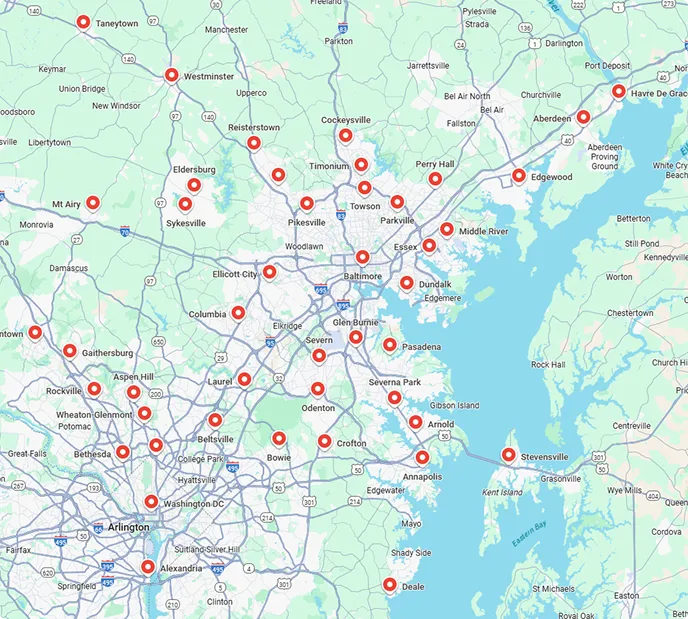
Service areas