



Sump Pumps in Germantown, MD
Sump pumps protect your Germantown, MD basement from water intrusion, reduce mold risk, and preserve finished living spaces. With Germantown experiencing heavy spring and summer storms, rapid runoff from nearby slopes, and a seasonal high water table in some neighborhoods, Tario HVAC provides the reliable sump pump installation, replacement, and repair essential for homeowners who want to avoid costly water damage and preserve property value.
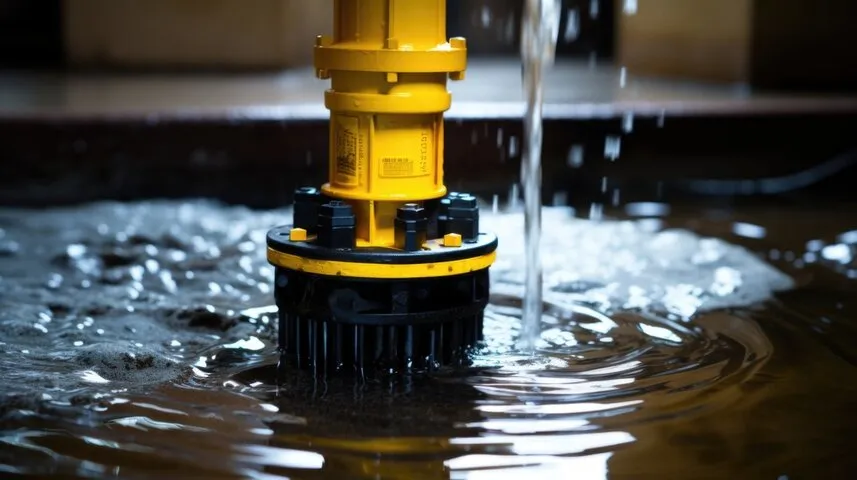
Common Sump Pump issues in Germantown homes
- Frequent heavy rain overwhelms undersized pumps, causing repeated cycling or failure.
- Power outages during storms leave primary pumps disabled without a battery backup.
- Clogged pits from silt, leaves, or construction debris prevent the pump from running.
- Worn check valves cause water to flow back into the pit and force the pump to short cycle.
- Old pumps fail from worn bearings, burnt motors, or corroded components after 7 to 12 years.
- Improper discharge routing leads to backyard flooding, ice formation in winter, or municipal code violations.
Types of services offered
- Sump pump installation in Germantown, MD: new systems for new construction or homes without basins.
- Sump pump replacement: upgrade aging or undersized units to higher capacity or more durable models.
- Sump pump repair in Germantown MD: diagnosis and parts replacement for switches, motors, check valves, or wiring.
- Battery backup and alarm system installation: ensure protection during power loss and get alerts to prevent unnoticed failures.
- Routine maintenance plans: annual inspections, cleaning, and testing to extend pump life.
- Emergency troubleshooting: step-by-step assistance when a pump fails during a storm.
Pump sizing and selection
Selecting the right sump pump starts with estimating inflow and desired discharge rate. Key considerations:
- Pump type: submersible pumps are quieter and sit in the pit, while pedestal pumps are easier to service and keep the motor above water.
- Horsepower and capacity: common residential choices range from 1/4 HP to 1/2 HP; higher horsepower increases flow rate and head lift.
- Flow rate: choose a pump rated in gallons per minute (GPM) appropriate for peak inflow during Germantown storms.
- Switch type: tethered float, vertical float, or electronic sensors each respond differently to how water rises in your pit.
- Materials and durability: stainless steel or thermoplastic housings resist corrosion in soils common to Montgomery County.
A professional assessment will match pump capacity to your basement layout, pit dimensions, and worst-case rainfall scenarios.
Battery backup and alarm options
Storm-related power outages are common during severe weather. Backup options include:
- Dedicated battery backup pumps that engage automatically when the main pump loses power.
- Combination units that integrate primary and backup pumps into one basin.
- Long-life sealed batteries or sealed gel batteries for better cold-weather performance.
- Audible and visual alarms that activate on main pump failure or high-water conditions.
- Smart alarm systems with remote notifications to a phone for offsite awareness.
Planning for both power redundancy and alerting reduces risk of undetected failures.
Installation process and discharge planning
Proper installation protects your home and ensures code compliance:
- Site evaluation: check pit size, basement floor slope, and proximity to finished areas.
- Pit preparation: excavate or square up the basin, install gravel bedding, and set the pump on a stable pad.
- Plumbing: install rigid or flexible discharge piping with a check valve, vertical rise as needed, and a frost-proof outlet or proper insulation for winter.
- Electrical: use a dedicated GFCI-protected circuit and sealed exterior j-box for weather protection.
- Discharge routing: tie into a storm drain only where permitted by local regulations, or route to a dry well or approved curb outlet; avoid discharging toward adjacent properties.
- Testing: simulate peak inflow, check float operation, verify check valve function, and document performance.
Permits or adherence to Montgomery County codes may be required depending on discharge methods; professional installers can confirm local rules.
Routine maintenance plans
Regular maintenance keeps systems reliable:
- Inspect and clean the sump pit every 6 to 12 months, removing silt and debris.
- Test the pump and backup system seasonally by pouring water into the pit to verify cycling.
- Replace batteries every 3 to 5 years, or per manufacturer recommendations.
- Check and replace worn check valves, floats, or hoses as needed.
- Schedule an annual professional inspection to catch hidden issues before storms.
Maintenance reduces unexpected failures and extends pump life.
Signs of failure and emergency troubleshooting
Watch for early warning signs:
- Strange grinding or rattling noises during operation.
- Continuous running or frequent short cycling.
- Water pooling in the basement despite the pump running.
- No motor sound when rising water should trigger the pump.
- Alarm activation or illuminated warning lights.
Emergency troubleshooting steps:
- Confirm power supply and reset tripped breakers.
- Temporarily remove debris from the pit or spin the impeller if safe to access.
- Check for a stuck float or misaligned switch.
- If safe, swap in a charged backup battery to restore function.
- If problems persist, schedule prompt professional repair to avoid major damage.
Basement waterproofing considerations
A sump pump is one component of an effective basement protection strategy:
- Interior French drain systems channel water to the sump pit from perimeter walls.
- Exterior waterproofing and proper grading direct runoff away from foundations.
- Crack injection and sealing reduce seepage through foundation walls.
- Dehumidifiers and vapor barriers manage interior moisture and prevent mold in finished basements.
Combining a well-installed sump pump with targeted waterproofing measures provides the best long-term defense for Germantown basements.
Warranty and reliability
Manufacturer warranties for residential pumps commonly range from 1 to 5 years depending on model and components. Battery backups and electronic alarms often carry separate warranties. Labor warranties for installation may also be available through professional providers. Keep documentation of model numbers, installation dates, and maintenance records to support warranty claims and extend system longevity.
Frequently asked questions
Q: How long does a typical sump pump installation take?
A: A standard installation often takes 3 to 6 hours including pit prep, plumbing, and electrical hookup, but times vary with site complexity and whether a new pit is required.
Q: Do I need a battery backup for my Germantown home?
A: Battery backups are highly recommended in Germantown due to storm-related power outages; they provide essential protection when the main pump loses power.
Q: How often should I test my sump pump and backup?
A: Test both the primary pump and backup at least seasonally and after major storms. Pour water into the pit to confirm automatic cycling and alarm function.
Q: What pump size is right for my basement?
A: Correct sizing depends on peak inflow, pit depth, and discharge head. A professional can calculate required GPM and recommend a 1/4 to 1/2 HP pump or larger for higher inflow situations.
Q: Can a sump pump discharge to the street or a storm drain?
A: Discharge routing must comply with local regulations and best practices. Some Germantown neighborhoods restrict direct discharge to public sewers or streets; check local codes before installation.

Service areas
