

Whole House Dehumidifiers in Westminster, MD
For Westminster, MD homes, whole-house dehumidification offers superior control. Tario HVAC helps you understand when a central unit is truly preferred over portable options, and how our expertise in proper sizing, placement, and HVAC integration maximizes your comfort. We also ensure effective condensate management and routine maintenance to sustain peak performance. We'll address common issues, explore drainage strategies, detail the benefits of basement moisture control, highlight energy-efficient features, explain typical installation timelines, and discuss our available service plans. Choosing Tario HVAC means selecting the right system, ensuring proper airflow, and prioritizing ongoing support to protect your indoor air quality and significantly reduce humidity-related problems.
.webp)
Whole House Dehumidifiers in Westminster, MD
Excess humidity can damage finishes, promote mold growth in basements, and make homes feel uncomfortable during Westminster summers. A whole-house dehumidifier offers a permanent, energy-efficient solution when portable units are inadequate. This page explains when a whole-house unit is preferred over portable options, how sizing and placement work, HVAC integration and condensate management, maintenance needs, energy efficiency considerations, typical installation timeline, and what service plans cover — all tailored to homes in Westminster, MD.
Why choose whole-house dehumidification in Westminster, MD
Westminster experiences warm, humid summers and many local homes have basements or crawl spaces that trap moisture. Whole-house dehumidification is preferred when:
- You need consistent humidity control throughout the entire home, not just one room.
- Basements, finished lower levels, or attached garages develop persistent dampness or musty odors.
- Household members suffer from allergies or respiratory sensitivity that are aggravated by mold and dust mites.
- Portable units are noisy, require frequent emptying, or can’t keep pace with large or multi-level homes.
- You want integration with your central HVAC for centralized control and improved overall indoor air quality.
Common whole-house dehumidifier issues in Westminster, MD
- Inadequate removal in large basements or high-volume spaces caused by undersized units.
- Condensate drainage failures due to improper slope, clogged drains, or frozen lines in winter.
- Short cycling when controls are not matched to home airflow or humidity setpoints.
- Reduced performance from dirty coils or filters, especially after pollen or seasonal damp spells.
- Compatibility problems with older HVAC systems that lack sufficient airflow.
Sizing and placement considerations
Correct sizing is critical for performance and efficiency. Key factors include home square footage, ceiling height, typical indoor humidity, and the severity of moisture sources (basement leaks, crawlspaces, or frequent cooking and showers). Professionals determine capacity based on moisture removal rates rather than simple room counts.
Placement guidelines:
- Install near the HVAC air handler or on the return plenum for centralized air distribution and easy duct connections.
- For basements with significant moisture loads, a unit dedicated to the lower level or a ducted configuration that draws basement air can be more effective.
- Ensure adequate clearance for airflow, service access, and condensate piping.
- Consider electrical access and proximity to a gravity drain or condensate pump location.
Integration with the HVAC system
Whole-house dehumidifiers typically tie into the central HVAC in one of two ways: ducted into the return or installed inline with a dedicated duct connection. Proper integration ensures:
- Balanced airflow so the dehumidifier can pull air at the rate needed to meet set humidity levels.
- Coordinated control using a wall-mounted humidistat or integrated thermostat that maintains target relative humidity, usually in the 40 to 50 percent range for comfort and mold prevention.
- Reduced runtime and improved efficiency when matched with variable speed or multi-stage air handlers.Assessing the existing furnace or air handler capacity is part of the installation planning to avoid negative impacts on heating and cooling performance.
Drainage and condensate management
Condensate handling is a common point of failure if not planned correctly. Options include:
- Gravity drain to a floor drain or utility sink when elevation allows.
- Condensate pump for lower-level installations where gravity drainage is not possible.
- Tie-in to the HVAC condensate drain with proper traps and slope to prevent backups.Special considerations for Westminster homes:
- Protect outdoor drain lines from freezing in winter.
- Use proper traps and check valves to prevent sewer gas or backflow into the unit.Regular inspection and cleaning of the drain are essential to prevent clogs and water damage.
Benefits for mold and moisture control in basements and humid climates
A whole-house unit stabilizes indoor relative humidity, which:
- Reduces condensation on windows, ductwork, and cold surfaces common in basements.
- Limits conditions where mold and mildew thrive, protecting building materials and stored belongings.
- Lowers dust mite populations and alleviates allergy triggers.
- Improves comfort without lowering thermostat settings, potentially reducing cooling runtimes.In Westminster’s humid months, this protection preserves both the structure and indoor air quality of local homes.
Maintenance, filter and coil care
Routine maintenance keeps performance high and prevents breakdowns:
- Replace or clean filters according to manufacturer guidance, typically every 3 to 12 months depending on use and indoor air quality.
- Inspect and clean coils annually; dirty coils reduce capacity and increase runtime.
- Flush and inspect condensate lines and pumps quarterly to prevent blockages and biological growth.
- Verify humidistat accuracy and recalibrate if readings drift.
- Schedule a professional tune-up each year to check refrigerant charge, electrical components, and airflow balance.
Energy efficiency and performance features to look for
Efficient whole-house dehumidifiers use advances that lower energy use while maintaining comfort:
- Variable speed compressors and electronically commutated motors (ECM) reduce power draw during lower load conditions.
- Smart controls and humidity sensors optimize runtime and avoid over-dehumidification.
- Seek units with favorable moisture removal per energy consumed metrics and ENERGY STAR or equivalent performance listings for dehumidifiers when available.A properly sized, efficient unit will often run less and cost less in operating energy than multiple portable units trying to accomplish the same result.
Typical installation timeline and what to expect
A proper whole-house dehumidifier installation typically follows these steps:
- Home assessment to determine sizing, placement, and drainage options.
- Preparation including minor duct modifications, electrical connection, and drain routing.
- Unit installation, duct tie-ins, condensate pump or drain hookup, and electrical work.
- Commissioning that includes system testing, humidistat setup, and walkthrough of controls.Estimated timeline: most residential installations are completed within a single workday or up to two days for complex ducting or basement-focused setups. Weather, access, and job complexity can affect timing.
Service plans and ongoing support
Service plans tailored for whole-house dehumidifiers usually include:
- Annual inspection and cleaning of coils and filters.
- Condensate system check and pump maintenance.
- Performance verification and humidity calibration.
- Priority scheduling for service calls and parts checks.Plans help maintain efficiency, extend equipment life, and ensure the system responds quickly to seasonal humidity changes common in Westminster.
Whole-house dehumidification is an effective, long-term approach to managing moisture in Westminster, MD homes. Proper sizing, professional integration with the HVAC system, reliable condensate management, and routine maintenance are key to maximizing benefits such as mold prevention, improved comfort, and reduced allergy triggers.

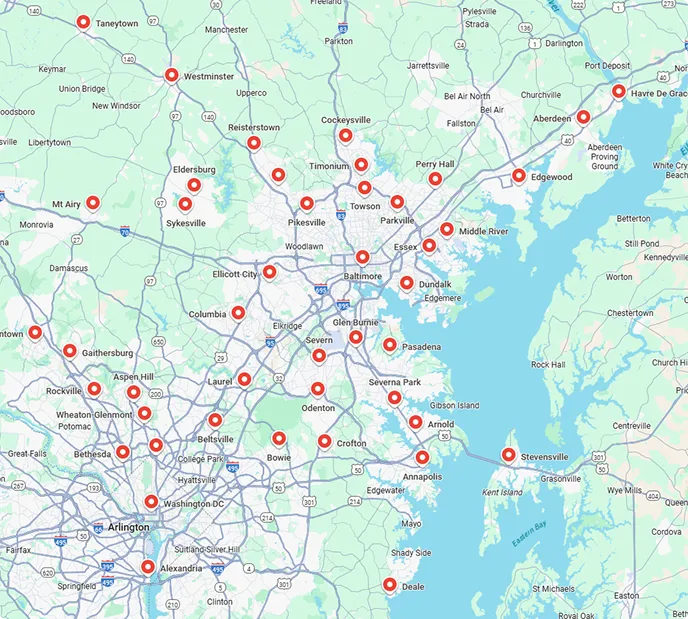
Service areas