

Smart Thermostats Installation in Westminster, MD
When Tario HVAC handles your smart thermostat installation in Westminster, MD, you'll experience enhanced comfort and significant energy savings, all thanks to our professional wiring, accurate compatibility checks, and tailored programming. Our comprehensive service addresses common local challenges, helps you select compatible models, and follows a meticulous step-by-step installation procedure. This includes thorough pre-install assessments, secure mounting, clever C-wire solutions, and seamless Wi-Fi setup for effortless remote access. We also provide clear explanations on ongoing maintenance, integration with your existing HVAC and smart-home systems, discuss warranties, pricing considerations, and offer practical troubleshooting tips to ensure reliable performance throughout Westminster's variable climate. Discover how easy it is to maximize your savings and comfort with a professional install from Tario HVAC.
.webp)
Smart Thermostats Installation in Westminster, MD
Upgrading to a smart thermostat in Westminster, MD brings immediate comfort and long-term energy savings for homes dealing with hot, humid summers and cold winters. A properly installed smart thermostat can reduce heating and cooling waste, improve indoor comfort, and integrate with your existing HVAC and smart-home systems. This page explains what a professional smart thermostat installation involves, common local issues, compatible models, the installation process, and practical troubleshooting and maintenance advice tailored to Westminster homes.
Why install a smart thermostat in Westminster, MD
- Westminster experiences wide seasonal swings. Precise temperature control and programmable schedules can reduce fuel use during long heating seasons and manage humidity and cooling in summer.
- Many older homes in the region have legacy HVAC systems or lack a dedicated C-wire, which makes a pre-install assessment and professional wiring important.
- Smart thermostats offer remote access, adaptive scheduling, and energy reports that help homeowners manage utility costs and qualify for possible local utility rebates or energy programs.
Common smart thermostat issues in Westminster homes
- Missing or inadequate C-wire from older thermostat wiring, preventing modern thermostats from staying powered.
- Weak Wi-Fi coverage in basements or larger homes, causing intermittent connectivity and loss of remote controls.
- Compatibility challenges with multi-stage systems, heat pumps, or zoned HVAC setups common in renovated properties.
- Confusion about ecosystem compatibility (Apple HomeKit, Google Assistant, Amazon Alexa) and which model integrates best with an existing smart-home hub.
Compatible thermostat brands and models
Professional installers commonly recommend and support the following, chosen based on HVAC compatibility and homeowner priorities:
- Google Nest Learning Thermostat and Nest Thermostat (good for adaptive learning and Google ecosystem)
- Ecobee SmartThermostat (built-in remote sensors, strong for multi-zone and Apple HomeKit support)
- Honeywell Home T-Series and Home line (broad compatibility with legacy systems)
- Emerson Sensi (straightforward installation and reliable Wi-Fi)
- Models supporting Apple HomeKit, Google Assistant, Amazon Alexa, and Samsung SmartThings for homeowners wanting voice control and routines
Note: Apple HomeKit compatibility is model-dependent. Some smart thermostats require a C-wire or a power extender kit for stable operation.
Pre-installation home and system assessment
A professional installation begins with a thorough assessment:
- Verify HVAC system type: furnace, boiler, heat pump, multi-stage, or zoned systems.
- Inspect thermostat wiring for a C-wire, common wire voltage, and proper terminal labeling.
- Confirm line-voltage systems or electric baseboard heat, which require special thermostats or relays.
- Check Wi-Fi signal strength at the thermostat location and identify need for a network extender.
- Evaluate placement for accurate temperature sensing — away from direct sunlight, drafts, vents, and exterior doors.
Professional wiring and mounting process
- Power safety: technician will turn off HVAC power at the breaker before handling wiring.
- Secure low-voltage wiring: identify and label existing wires, connect to the correct terminals, and test for proper signals.
- Provide C-wire solutions: install or repurpose a C-wire, or fit a power extender kit when wiring upgrades are not feasible.
- Mount thermostat level on the wall and seal any wall openings for a clean finish.
- For line-voltage or complex systems, install required relays, contactors, or interface modules to isolate the thermostat from high-voltage circuits.
Wi-Fi, app setup, and programming for energy savings
- Connect the thermostat to your 2.4 GHz or compatible 5 GHz network and create the manufacturer account for remote access.
- Link voice assistants and smart-home hubs if desired to enable voice control and automation.
- Set up adaptive schedules, geofencing, and energy-saving modes to reduce runtime when the home is empty.
- Use built-in sensors and external remote sensors (if supported) to manage temperature variations across rooms.
- Enable firmware updates and energy reports so you can monitor usage and fine-tune schedules.
Integration with existing HVAC and smart-home systems
- Integrate with zoning panels, variable-speed furnaces, and heat pumps by choosing models that support multi-stage control and specialized heat pump features.
- Connect to home automation systems to trigger HVAC responses from occupancy sensors, window/door sensors, or whole-home energy management systems.
- Ensure compatibility with humidifiers, dehumidifiers, and ventilation systems to maintain indoor air quality and comfort throughout Maryland’s humid summer months.
Warranty and support information
- Manufacturer warranties typically cover 1 to 3 years for thermostats; check the specific model for details.
- Professional installation often includes a workmanship or service warranty covering wiring and setup for a defined period.
- Ongoing support commonly includes remote troubleshooting for app connectivity, guidance on settings, and in-person service if wiring or HVAC control integration issues arise.
Pricing and financing options (general guidance)
- Installation costs vary by system complexity: simple replacement installations are lower cost; multi-stage, heat pump, zoned, or line-voltage systems require more labor and materials.
- Financing options are often available through third-party programs to spread the cost of equipment plus installation over time.
- Homeowners should request a detailed estimate that breaks down equipment, labor, and any required wiring or relay work.
Troubleshooting tips
- Thermostat has no power or is blank: check breaker, confirm C-wire voltage, or verify battery backup if present.
- HVAC doesn’t respond: confirm wiring terminals match HVAC control wires and check for a tripped furnace or AC safety switch.
- Wi-Fi disconnects: verify router SSID has not changed, check 2.4 GHz vs 5 GHz compatibility, and consider a Wi-Fi extender for weak spots.
- Frequent short cycling: ensure thermostat settings match HVAC equipment type and staging; a professional can check equipment capacity and control logic.
- Inaccurate room temperature: relocate thermostat away from direct sun or vents, or add remote sensors.
When to involve a professional: line-voltage systems, unknown or unlabeled wiring, multi-stage or zoned systems, geothermal systems, or persistent equipment faults that suggest an HVAC repair rather than thermostat configuration.
Maintenance and long-term benefits
- Keep thermostat firmware updated and review energy reports seasonally to optimize schedules.
- Replace backup batteries annually if applicable and keep vents and returns clean for accurate sensing and efficient airflow.
- Seasonal HVAC tune-ups combined with a properly configured smart thermostat deliver the best energy savings, comfort, and system longevity—particularly important in Westminster’s variable climate.
This guidance equips Westminster homeowners to choose the right smart thermostat, understand the installation process, anticipate local challenges, and maintain reliable operation for lasting energy and comfort benefits.

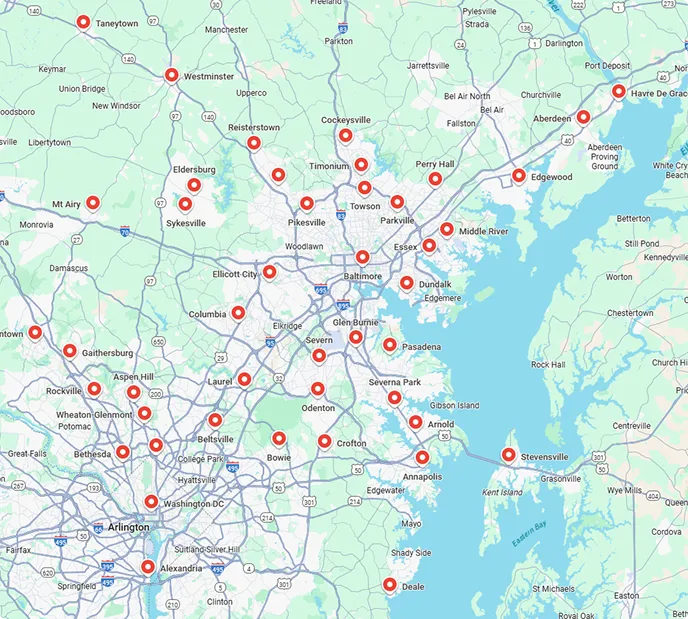
Service areas