



Whole House Dehumidifiers in Severn, MD
Whole-house dehumidification for Severn, MD homes is essential for comfortable living. At Tario HVAC, we understand when sizing, placement, and HVAC integration truly matter, and we can outline your installation needs, ideal humidity targets, energy considerations, and maintenance schedule. We'll explore common issues in basements and crawlspaces, compare ducted, HVAC-integrated, desiccant, and basement-focused units, and explain placement strategies to optimize distribution and drainage. Discover the operational benefits, such as reduced mold risk, improved comfort, and greater system efficiency, helping you select, install, and maintain a compliant system with confidence.
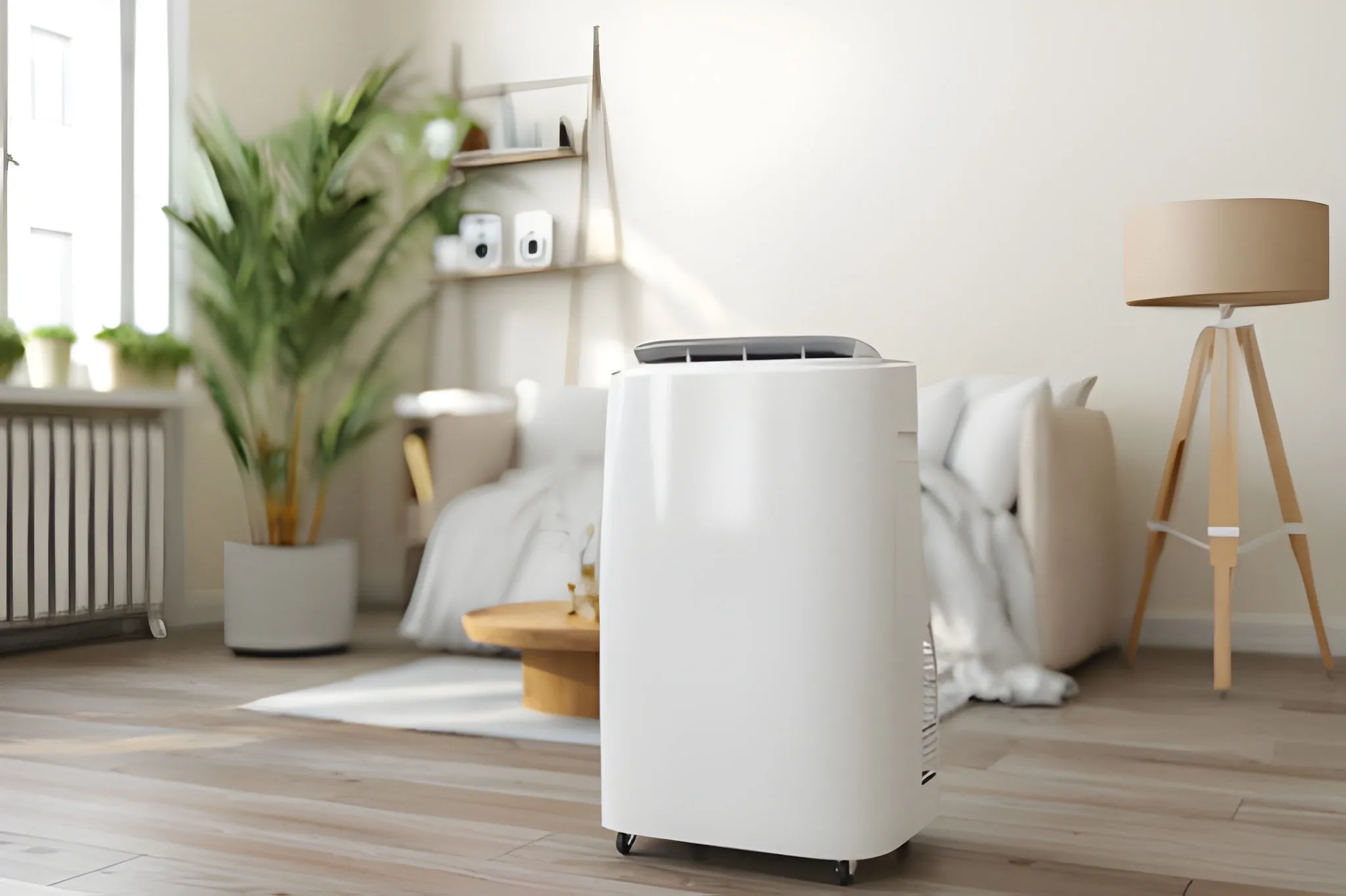
Whole House Dehumidifiers in Severn, MD
Controlling indoor humidity is one of the most effective ways to prevent mold, protect building materials, and improve comfort in Severn, MD homes. With hot, humid summers, proximity to the Chesapeake watershed, and often damp basements or crawlspaces, many homeowners need a whole-house approach rather than room units. This page explains whole-house dehumidification options, sizing and placement decisions (basement vs whole-home), HVAC integration, installation needs (drainage and electrical), recommended humidity setpoints, energy considerations, routine maintenance, and the measurable improvements you can expect.
Why whole-house dehumidification matters in Severn, MD
Severn experiences high summer humidity and frequent storm events that raise indoor moisture levels. High indoor relative humidity (RH) leads to:
- Mold and mildew growth on walls, insulation, and stored items
- Musty odors and increased allergy triggers
- Condensation on windows and cold surfaces
- Accelerated deterioration of wood floors, trim, and paint
- Less effective cooling and higher energy use from your air conditioner
A properly sized whole-house dehumidifier protects your home environment year-round, not only during peak summer humidity but also during shoulder seasons when ventilation and attic/basement moisture can raise indoor RH.
Common whole house dehumidifier issues in Severn, MD
- Basements and crawlspaces staying damp despite room dehumidifiers
- Condensation on HVAC cold surfaces and ductwork
- Intermittent mold spots in bathrooms, basements, and closets
- Frequent AC short-cycling because the AC struggles to remove latent (moisture) load
- Portable units running constantly without addressing humidity source and distribution
Types of whole-house solutions
- Ducted refrigerant dehumidifiers: Mounted adjacent to the HVAC system and tied into supply/return ducts. Most cost-effective for typical Severn climates.
- HVAC-integrated dehumidification: Uses a dedicated dehumidification coil or a whole-home unit installed in the return or supply plenum to work with existing air handler.
- Desiccant dehumidifiers: Better for colder, low-temperature spaces; useful for unheated basements or during rare cold-season humidity control.
- Basement-only commercial-grade units: High-capacity standalone units for homes where the basement is the primary problem area but living spaces above are fine.
Sizing and placement: basement vs whole-home
Correct sizing is crucial. Oversized units cycle too often and undersized units run continuously without reaching the desired RH.
Key factors in sizing:
- Home square footage and ceiling height
- Basements or crawlspaces included in conditioned area
- Typical indoor RH and desired setpoint
- Local climate (high summer RH in Severn)
- Sources of moisture (occupants, laundry, showers, sump pumps, uncovered soil in crawlspaces)
General guidance:
- For whole-house solutions, use a moisture load assessment rather than a simple pints-per-day per square foot rule. A professional will calculate latent load accounting for local outdoor humidity and indoor activities.
- If the basement is the primary source of humidity and is unconditioned, a high-capacity basement dehumidifier may be paired with encapsulation and a dehumidifier for living spaces. For pervasive humidity, a ducted whole-house unit is the better long-term solution.
Placement tips:
- Install the unit centrally in the return plenum or near the air handler for even distribution.
- For basement-targeted installations, place the unit where airflow can capture rising moisture and where drainage is accessible.
- Avoid placing units against exterior walls where freezing could be a concern; allow clearance for airflow and service.
Integration with HVAC systems
- Ducted units use the home’s ductwork to distribute dehumidified air. They can operate independently or in tandem with the HVAC system.
- Integration methods include installing the dehumidifier in the return or supply plenum or using a bypass between return and supply with a dedicated dehumidifier control.
- Ensure the air handler has sufficient airflow to prevent evaporator coil frosting when dehumidification runs independently of cooling.
- Controls can be set to prioritize humidity control without overcooling—use a humidistat or integrated control panel that maintains a chosen RH setpoint.
Installation requirements: drainage and electrical
Drainage:
- Condensate must be routed to an appropriate drain: floor drain, utility sink, sump pump, or a properly sized condensate pump if gravity drain is not available.
- Ensure drain lines are sloped, insulated if exposed to cold, and include traps or check valves as required.
Electrical:
- Whole-house units typically require a dedicated electrical circuit (120V or 240V depending on model). Confirm breaker size and wiring requirements before installation.
- Controls and humidistats need low-voltage wiring to the thermostat or dehumidifier controller.
Permits and access:
- Some locales require permits for changes to mechanical systems—verify with local building codes.
- Allow space for service access, filter changes, and coil cleaning.
Humidity setpoint recommendations
- Aim for 40% to 50% relative humidity year-round in Severn homes. This range minimizes mold risk while avoiding overly dry air.
- Keep RH below 50% in summer to deter mold growth; 45% is a common target balancing comfort and energy use.
- Avoid pursuing very low RH (<30%) as it can dry out wood and increase static electricity.
Energy considerations and efficiency
- Whole-house dehumidifiers can reduce air conditioner runtime because they remove latent heat more effectively than simply lowering temperature.
- Look for units with good energy efficiency ratings and variable-speed compressors or fans—these adapt to moisture load and reduce runtime.
- Proper duct sealing and insulation reduce load and improve overall system efficiency.
- Consider combined solutions: energy recovery ventilators (ERVs) can help manage fresh air intake while controlling moisture in tightly sealed homes.
Maintenance procedures
Regular maintenance keeps the system efficient and prevents failures:
- Clean or replace filters every 1–3 months depending on use and indoor air quality.
- Inspect and clean coils annually; remove dust buildup which reduces capacity.
- Check condensate lines, traps, and pumps quarterly for clogs or algae; flush with mild bleach solution if needed.
- Test float switches and backup shutoffs to prevent overflow.
- Verify humidistat calibration seasonally and watch for unusual cycling or noise that may indicate airflow or refrigerant issues.
Expected improvements to comfort and air quality
With a properly sized and installed whole-house dehumidifier in a Severn home, you can expect:
- Reduced mold and mildew growth and fewer musty odors
- More consistent indoor comfort with less clamminess and sticky air
- Improved HVAC efficiency and potentially lower cooling costs during humid months
- Protection of wood floors, trim, and stored items from moisture damage
- Fewer allergy and respiratory triggers as dust mite populations decline in lower RH
Whole-house dehumidification delivers measurable health and property benefits in humid climates like Severn, MD. Choosing the right system involves a moisture load assessment, attention to placement and drainage, proper electrical setup, and a maintenance plan that keeps capacity and efficiency high. When sized and installed correctly, whole-house dehumidifiers protect your home and improve year-round indoor air quality.

Service areas
