

Whole House Air Filters in Severn, MD
Discover how whole-house air filters from Tario HVAC in Severn, MD can offer tailored filtration options, dramatically improving your indoor air quality while simultaneously protecting your HVAC system's efficiency. Our guide breaks down filter types, MERV ratings, and exactly how to balance effective filtration with healthy system airflow. We also cover essential installation and replacement routines, clear cost considerations, and ongoing maintenance strategies. We provide specific recommendations for homes with pets or allergy sufferers, stressing the importance of a professional evaluation for high-MERV systems. Additionally, we suggest complementary strategies like improved ventilation and targeted room-specific solutions to maximize comfort and reduce allergens throughout the year. With our guidance, you can make informed choices for genuinely safer, cleaner air.
Whole House Air Filters in Severn, MD
Keeping indoor air clean in Severn, MD matters year-round. Humid summers, spring pollen, fall ragweed, and cold-season indoor heating combine to produce airborne allergens, pet dander, and dust that affect comfort and health. This page explains whole-house air filter options, MERV ratings, how to balance filtration with system airflow, installation and replacement guidance, cost vs performance tradeoffs, effects on HVAC efficiency, and specific recommendations for homes with allergies or pets in Severn.
Why whole-house filtration matters in Severn, MD
Severn homes face seasonal pollen peaks in spring and early summer, higher indoor humidity in summer that can encourage mold spores, and year-round pet dander for households with animals. Whole-house air filters treat air at the return plenum or air handler so every room benefits. That reduces allergens, protects HVAC components from dust, and can help maintain indoor comfort during allergy season.
Whole-house filter types at a glance
- Basic fiberglass disposable filters: Low-cost, low MERV (1-4). Good for protecting equipment from large debris but poor at capturing fine particles like pollen and pet dander.
- Pleated disposable filters: Common, available in MERV 5-12. Balance cost and filtration for many homes.
- High-MERV pleated filters: MERV 11-13 capture smaller allergens and some fine particles. Better for allergy sufferers and homes with pets.
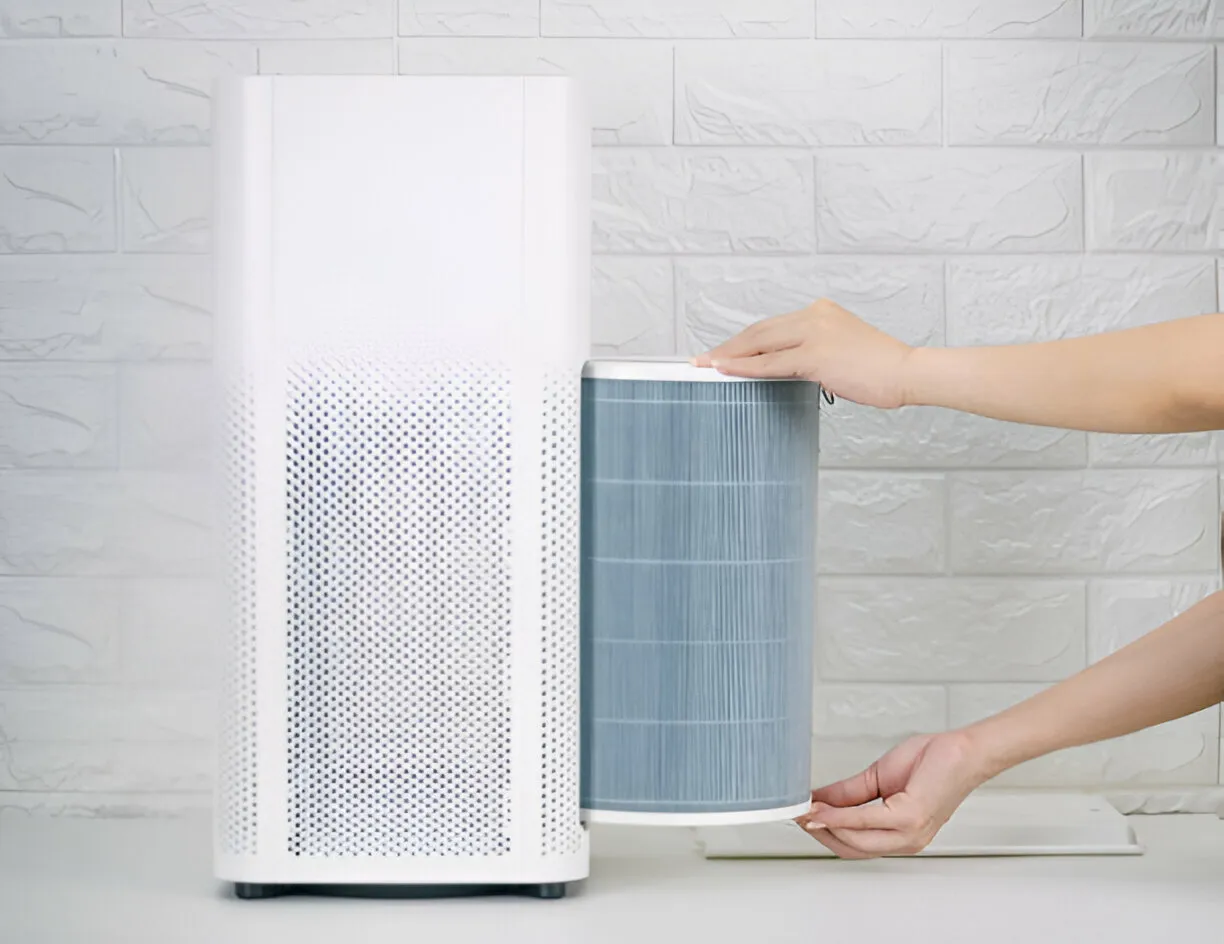
- Media (deep-pocket) filters: Thicker (2-8 inch) filters with larger surface area allow higher MERV ratings with less airflow restriction. Often used where high filtration is needed without stressing the blower.
- Electronic air cleaners and electrostatic filters: Reusable, grab small particles effectively but require regular cleaning and occasional replacement of collection cells.
- Whole-house HEPA systems: True HEPA capture 99.97% of 0.3 micron particles, but full whole-house HEPA usually requires a dedicated filtration cabinet and a system designed to handle the added resistance.
Understanding MERV ratings and what they mean
MERV (Minimum Efficiency Reporting Value) indicates how well a filter captures particles:
- MERV 1-4: Large particles only
- MERV 5-8: Dust, pollen, mold spores (suitable for general indoor air)
- MERV 9-12: Fine dust, pet dander, some smoke; good for allergy control
- MERV 13-16: Very fine particles, near-HEPA performance for sensitive occupants
Recommendation for Severn homes:
- Typical household without major allergies: MERV 7-8 for a balance of air quality and airflow.
- Homes with pets or moderate allergies: MERV 11-13 to reduce dander and pollen.
- Severe allergies or immune concerns: consider media filter or whole-house HEPA after professional system evaluation.
Balancing filtration and system airflow
Higher MERV means higher particle capture but also greater airflow resistance. If a filter restricts airflow, your HVAC blower works harder, reducing efficiency and possibly shortening equipment life. To balance:
- Check what filter thickness and MERV your HVAC manufacturer recommends.
- Upgrade to a deeper media filter or dedicated filtration cabinet before jumping to a high-MERV 1-inch pleated that can overly restrict airflow.
- Have a professional measure static pressure if you plan MERV 13+ to ensure your blower can handle it.
- If replacing a standard 1-inch filter slot, a MERV 13 1-inch pleat may be too restrictive for many older systems.
Installation and replacement frequency
- Installation basics: Always power off the HVAC before accessing the filter. Insert filter with the airflow arrow pointing toward the air handler/furnace. Ensure a snug fit to prevent bypass.
- Replacement intervals (general):
- Fiberglass: monthly to 2 months
- Pleated filters (MERV 8-11): every 2-3 months
- High-MERV pleated filters: every 1-3 months depending on load
- Media filters: 6-12 months, depending on thickness and particle load
- Electrostatic/cleanable units: clean per manufacturer—often monthly to quarterly
- In Severn, increase frequency during high pollen season and if you have multiple pets or smokers in the home.
Cost vs performance considerations
- Low-cost filters require frequent replacement and only block large particles.
- Mid-range pleated filters hit a good cost-performance sweet spot for most homes.
- High-MERV disposable filters cost more and may raise energy use if they restrict airflow. Media filters have higher upfront cost but longer life and lower pressure drop, often saving trouble and recurring purchases.
- Consider lifecycle cost: filter price + HVAC energy + maintenance. A properly matched higher-quality filter can reduce dust buildup in ducts and equipment, lowering long-term maintenance costs.
Effects on HVAC efficiency and longevity
- Proper filtration reduces dust on coils and in ducts, helping heat exchange and reducing wear.
- Improperly matched high-MERV filters can reduce airflow, lower system efficiency, raise energy consumption, and stress the blower motor.
- Routine filter changes and occasional professional duct/coil cleaning help the system operate at rated efficiency, important in Severn where humidity can cause coil fouling.
Maintenance tips for Severn homeowners
- Check your filter monthly and mark replacement dates on a calendar.
- During spring pollen and summer humidity, inspect filters more often.
- Vacuum supply registers and keep vents unobstructed to maintain airflow.
- Control indoor humidity (aim 40-50%) to limit mold growth in humid months—use dehumidifiers if needed.
- If you have pets, groom them outdoors when possible and use HEPA-capable vacuums inside.
- Schedule annual HVAC tune-ups to verify static pressure, clean coils, and confirm compatibility with the chosen filter level.
Recommendations for allergies or pet households
- For homes with moderate allergies or multiple pets: use a MERV 11-13 pleated filter or a 4-6 inch media filter to balance capture and airflow.
- For severe allergies or asthma: consider a whole-house HEPA system or high-MERV media filter installed in a dedicated cabinet; follow up with professional assessment of your HVAC blower capacity and duct sealing.
- Combine filtration with ventilation strategies: use kitchen/bath exhaust fans, and consider portable HEPA units in bedrooms for added relief.
Choosing the right whole-house air filter in Severn, MD means balancing indoor air quality goals with HVAC system capability. Assess your household needs—pets, allergies, or respiratory sensitivities—review your furnace/air handler filter slot and blower capacity, and match filter type and MERV accordingly. With proper selection, installation, and maintenance, you will see measurable improvements in indoor air comfort, fewer airborne allergens during pollen season, and potentially longer HVAC component life.

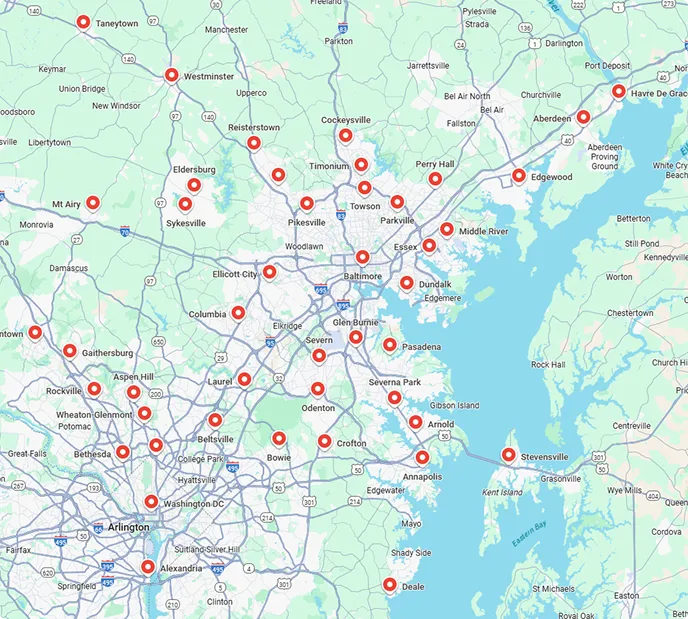
Service areas