


Whole House Dehumidifiers in Pasadena, MD
Whole house dehumidifiers in Pasadena, MD, expertly control indoor moisture to prevent mold, protect finishes, and improve comfort. Tario HVAC reviews humidification challenges in coastal climates, describes refrigerant and desiccant models, and integrated ducted options. We guide you through sizing based on home size and climate, outlining installation steps, performance metrics, energy costs, maintenance, troubleshooting, and common applications. Tario HVAC emphasizes proper duct integration, drainage, and regular service to maintain an ideal 40 to 50% relative humidity target year-round.
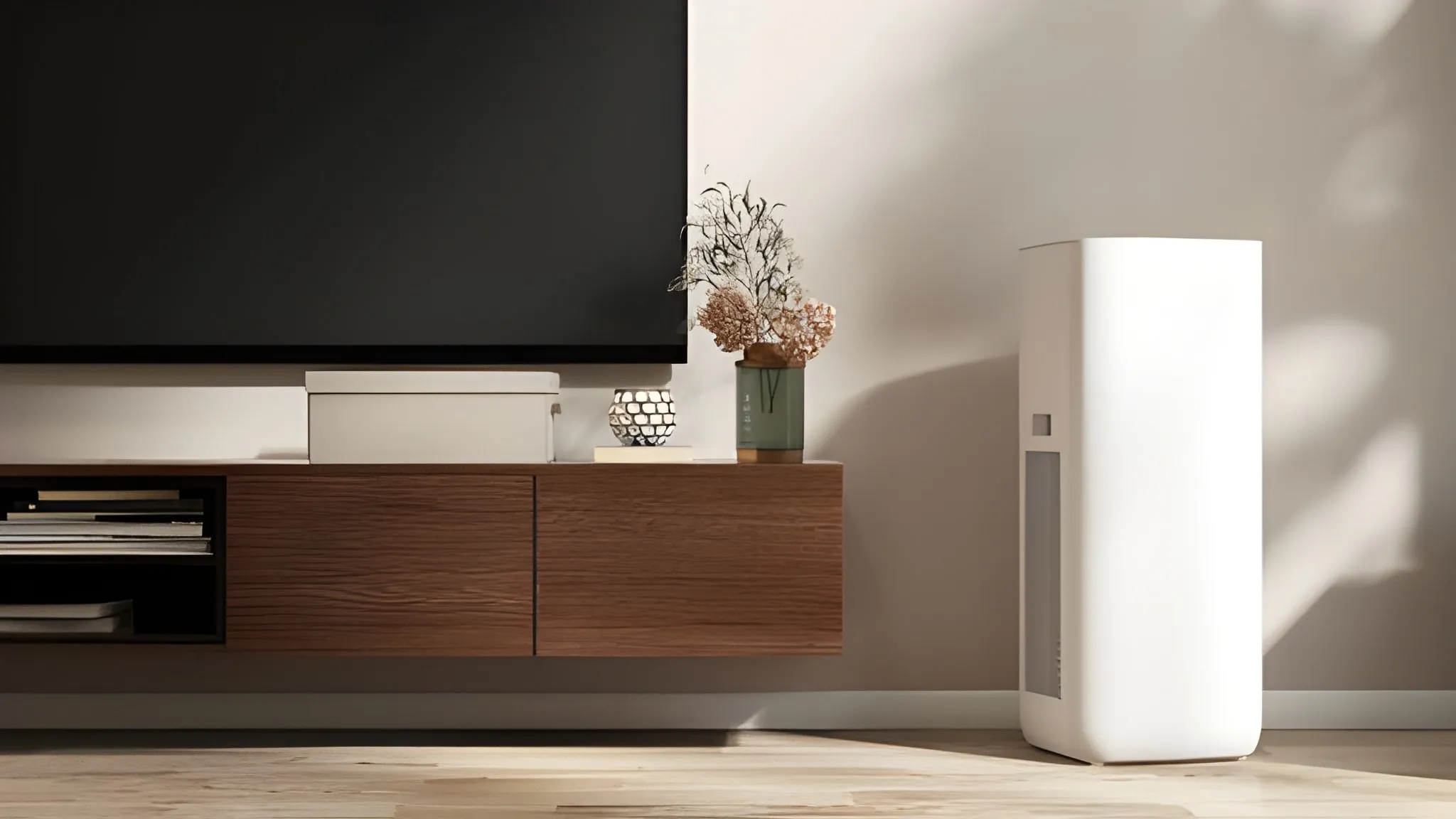
Whole House Dehumidifiers in Pasadena, MD
Excess indoor moisture is one of the most common comfort and health problems in Pasadena, MD. Coastal humidity from the Chesapeake Bay, warm humid summers, and older homes with basements or crawlspaces make mold, mildew, musty odors, and condensation frequent complaints. A whole house dehumidifier is a permanent, ducted solution that controls relative humidity throughout your home, preventing mold growth, protecting finishes and belongings, and improving comfort without depending on constant air conditioning.
Why consider whole house dehumidification in Pasadena, MD
- Local climate: Summer humidity in Pasadena often stays high for extended periods, which increases indoor moisture load. Homes near the Bay and properties with damp basements are especially vulnerable.
- Health and property protection: Maintaining stable indoor humidity limits mold, dust mites, and mildew that aggravate allergies and respiratory problems. It also preserves wood floors, cabinetry, and drywall.
- Comfort and efficiency: Proper humidity control makes your home feel cooler at higher thermostat settings, which can reduce A/C runtime and energy cost in summer months.
Types of whole house dehumidifiers
- Refrigerant (compressor) dehumidifiers: Most common for residences. They pull warm, moist air over cold coils to condense water. Best for typical MD conditions and basements, efficient at standard indoor temperatures.
- Desiccant dehumidifiers: Use a moisture-absorbing wheel and are effective at lower temperatures or in spaces that need very low humidity. They use more energy and are used in specialized applications.
- Integrated HVAC or ducted standalone units: Whole house units either mount directly to the return duct of your furnace or central air handler or are installed as a separate ducted unit. Fan-assisted units actively move air through the dehumidifier; bypass models rely on the furnace blower.
Sizing considerations and how to choose capacity
Sizing a whole house dehumidifier depends on:
- Home square footage and ceiling height.
- Degree of air tightness and insulation.
- Number of occupants and moisture-generating activities (laundry, showers, indoor plants).
- Basements, crawlspaces, or attached garages that add moisture.
- Local climate severity and seasonal patterns in Pasadena.
Common capacity ranges and quick guidance:
- Small homes or tight 1-bedroom spaces: ~30 to 50 pints per day.
- Typical 1,200 to 2,000 sq ft homes in humid areas: ~50 to 70 pints per day.
- Large homes, heavy basement moisture, or very humid sites: 70 to 90+ pints per day.
These are starting points. A professional moisture load calculation is recommended to pick the right pints/day rating for your specific home and conditions.
Installation and HVAC integration
- Location: Most installations place the unit on or near the furnace return duct in the basement, mechanical room, or utility closet for whole-home airflow. Proper clearance for service is required.
- Duct connections: Duct collars for return and supply ensure conditioned, dehumidified air is distributed throughout the system. Bypass and fan-assisted configurations differ in how they move air.
- Controls: A humidistat or integrated control is installed inside the living space or on the HVAC thermostat to maintain target humidity levels. Many units offer digital controllers with setpoint and scheduling functions.
- Drainage: Condensate must be routed to a nearby drain, plumbing trap, sump pump, or condensate pump if gravity drain is not possible. Proper trap and slope prevent odors and backflow.
- Electrical: Whole house units typically require a dedicated 120V or 240V circuit depending on model. Proper wiring and a disconnect are part of safe installation.
Performance metrics and humidity targets
- Pints per day: This rating indicates how much water a unit removes under standard test conditions. Higher pints/day means greater moisture removal capacity.
- Relative humidity (RH) target: For Pasadena homes a good year-round target is about 45% RH, with an acceptable band of 40 to 50% depending on season. That range reduces mold risk while avoiding condensation on windows or cold surfaces.
- Run time and effectiveness: Units cycle based on humidistat settings and home moisture load. In high summer humidity they may run multiple hours per day; during cooler or dry periods they run less.
Energy use and cost considerations
- Whole house units use electricity to run the compressor and fans. Typical draw is in the range of about 1.0 to 2.0 kW while operating, depending on model and size.
- To estimate operating cost: multiply the unit power (kW) by estimated daily run hours to get daily kWh, then multiply by local electricity rate. Example: a 1.5 kW unit running 8 hours/day equals 12 kWh/day. At $0.16 per kWh that is about $1.92/day or roughly $58/month during heavy-use months. Actual costs vary with usage patterns and local rates.
- Many modern units are designed for energy efficiency and can reduce overall A/C runtime by reducing humidity, which can offset part of the dehumidifier energy draw.
Maintenance and filter care
Regular maintenance keeps performance high and prevents breakdowns:
- Filters: Mesh or pleated filters catch dust before the coil. Clean washable filters every 1 month during heavy use; replace disposable filters per manufacturer recommendations, typically every 3 to 12 months.
- Coils and drain: Inspect and clean the evaporator coil annually; flush and clear condensate drain lines to prevent clogs and mold.
- Electrical and controls: Check wiring, humidistat accuracy, and condensate pump operation yearly.
- Professional service: Annual HVAC/dehumidifier tune up is recommended for refrigerant level checks, coil inspection, and general performance testing.
Common issues and simple troubleshooting
- Insufficient dehumidification: Could be undersized unit, leaky ducts, or open windows. Solution: verify sizing and seal ductwork and enclosure.
- Dripping or overflow: Check clogged drain or failed condensate pump and clear or replace as needed.
- Unit short-cycling or not running: Verify humidistat wiring and electrical supply; check float switch.
- Frozen coils in cool spaces: Consider desiccant systems or a model with auto-defrost if temperatures are low.
Typical applications in Pasadena homes
- Basements and crawlspaces with elevated moisture or musty smells.
- Harborfront or low-lying properties near the Bay where outdoor humidity is high.
- Newly tightened, energy-efficient homes that trap moisture without ventilation.
- Homes with occupants who have allergies or respiratory sensitivities and need consistent indoor humidity control.
Benefits you can expect
- Lower risk of mold and mildew growth and fewer allergy triggers.
- More consistent comfort at slightly higher thermostat settings, reducing A/C strain.
- Protection of wood floors, furniture, instruments, and interior finishes from moisture damage.
- Improved indoor air quality and reduced musty odors.
A properly sized and installed whole house dehumidifier tailored to Pasadena, MD conditions provides reliable, year-round moisture control that protects your home and improves comfort and health. For best results, pair the right capacity unit with correct duct integration, drainage, and routine maintenance to keep indoor relative humidity in the recommended 40 to 50 percent range.

Service areas