



Whole House Dehumidifiers in Parkville, MD
Parkville, MD, homeowners can achieve uniform humidity control throughout their homes with a properly sized whole-house dehumidifier system from Tario HVAC. We explain when to choose whole-house units over portable dehumidifiers, typical humidity targets (40–50%), and installation considerations including electrical, ducting, and condensate drainage. Tario HVAC outlines sizing guidance for various basement and home sizes, maintenance routines, common issues, and practical tips to prevent mold and maintain comfort. Proper specification and installation by Tario HVAC reduce energy use, improve air quality, and protect building materials year-round.
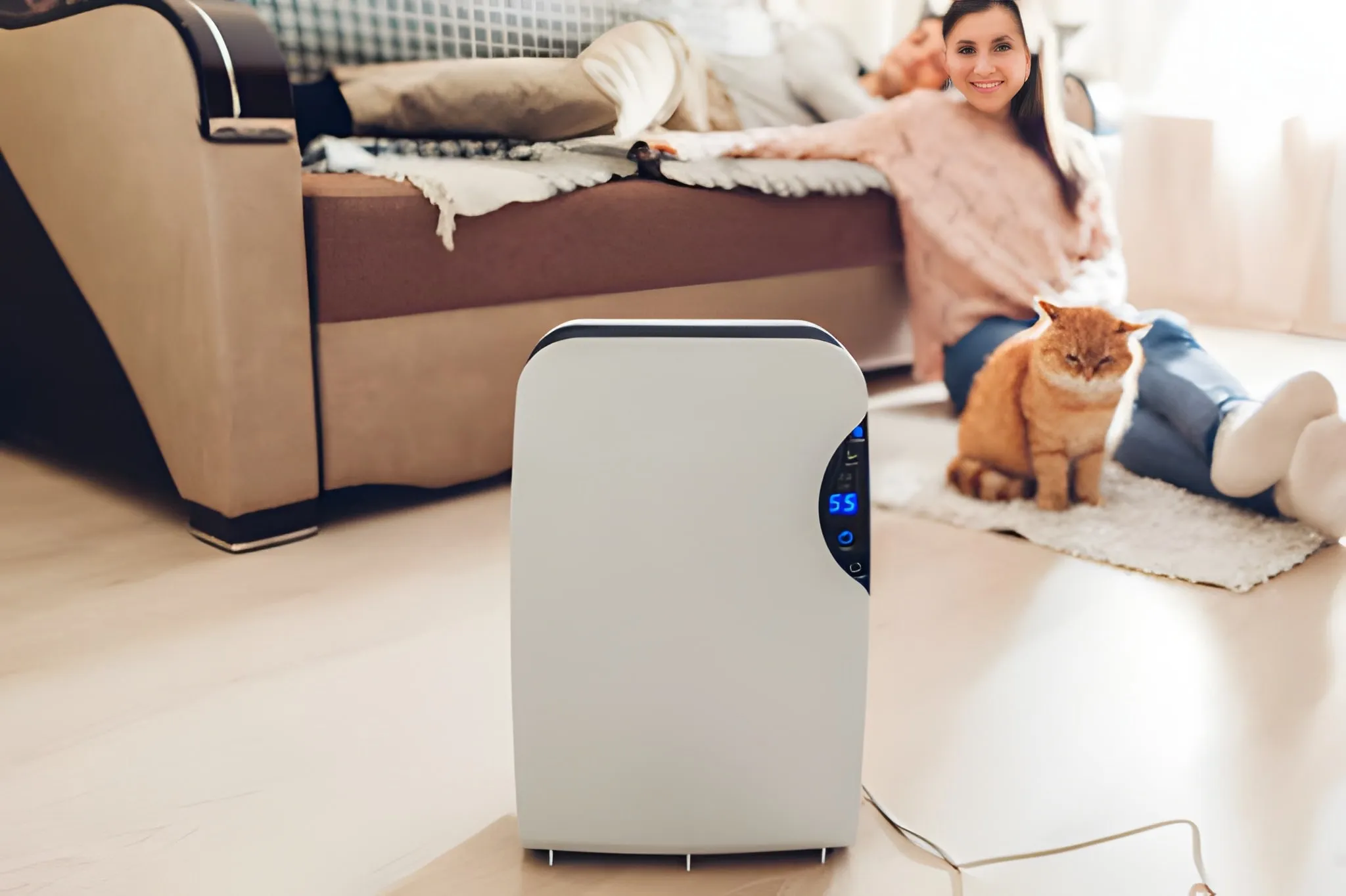
Whole House Dehumidifiers in Parkville, MD
High humidity is a year round concern in Parkville, MD. Hot, muggy summers and humid basements in older homes create the perfect environment for mold, mildew, musty odors, and discomfort. A properly sized whole house dehumidification system gives consistent humidity control for basements and living spaces, protects building materials and belongings, and improves indoor comfort without the hassle and limited reach of portable units.
Why choose whole house dehumidification in Parkville homes
- Consistent control for the entire home: Whole house systems are designed to remove moisture from the air throughout the house, not just one room. That prevents moisture migration from the basement into living areas.
- Better protection against mold and rot: Maintaining relative humidity in the 40 to 50 percent range significantly reduces mold growth on wood, drywall, and stored items.
- Quiet, efficient operation: Ducted or integrated units run quietly and can be more energy efficient than running multiple portable dehumidifiers.
- Convenience and low maintenance: Centralized condensate handling and larger filters reduce the frequency of user intervention compared with portable units that require daily emptying and frequent cleaning.
Whole house versus portable units: when to choose which
Portable dehumidifiers are useful for spot treatment: a single damp basement room, a temporary water intrusion, or a small crawlspace. But portable units fall short when you need continuous, whole-home humidity control.
Choose a whole house unit if any of the following apply:
- You have a finished basement, finished or conditioned crawlspace, or frequent musty odors throughout the home.
- You want to protect wood floors, musical instruments, electronics, or stored possessions.
- You experience comfort issues like clammy air during summer even with the air conditioner running.
- You want a permanently installed solution with automatic drainage and central control.
Common whole house dehumidifier types and where they work best
- Ducted dehumidifiers integrated with the HVAC return: Best for even distribution across multiple levels and for homes where existing air handling can be leveraged.
- Standalone whole house units with supply and return ducts: Good when the furnace or air handler cannot accommodate an add-on unit.
- Basement-specific larger capacity units: Ideal when the basement is the principal moisture source and requires higher daily moisture removal.
Sizing guide for basements and entire homes
Sizing is critical. Undersized units will run constantly and never reach target humidity. Oversized units may short cycle and fail to remove latent moisture efficiently.
- Assess square footage, ceiling height, and typical basement conditions. Basements in Parkville often need higher capacity due to ground moisture and humid summers.
- Target indoor relative humidity of 40 to 50 percent year round. In finished basements or spaces with stored items, aim closer to 45 percent.
- Capacity is commonly described in pints per day under standard conditions. Typical guidelines:
- Small finished basement (up to 800 sq ft) with moderate dampness: 50 to 70 pints per day.
- Larger or very damp basements (over 800 sq ft) or homes with high moisture loads: 70 to 95+ pints per day.
- Whole house systems for 2,000 to 3,500 sq ft homes: selections vary widely; a full load calculation based on humidity sources and air changes is recommended.
A proper load calculation takes into account climate, foundation type, occupant habits, ventilation, and building envelope. In Parkville, expect higher latent loads during summer months and in older, less air-tight homes.
Installation considerations: electrical, ducting, condensate and drainage
- Location: Install near the HVAC return or in the basement where the moisture load is highest. Ensure adequate clearance for service and airflow.
- Ductwork: For whole-house distribution, tie supply and return into existing ducts or install dedicated ducts sized to the dehumidifier manufacturer recommendations.
- Electrical: Many whole-house units require a dedicated 120 or 240 volt circuit. Confirm power needs before installation.
- Condensate handling:
- Gravity drain to a floor drain is preferred when elevation allows.
- Where gravity draining is not possible, a condensate pump with a high-quality float switch and an overflow safety switch is required.
- Pipes should be sloped, insulated where they pass through unconditioned spaces, and routed to a reliable drain point.
- Include a trapped line and check valve as required by code to prevent backflow and odors.
- Code and local rules: Plumbing and electrical permitting may be required for permanent installations in Parkville. Follow local building codes for condensate disposal.
Energy efficiency and controls
- Look for Energy Star rated components and systems designed for high latent removal efficiency. Systems with variable speed compressors and electronically commutated motors (ECM) offer better performance and lower runtime.
- Integrated controls and dedicated humidistats allow precise setpoints. Smart or demand-based controls can link dehumidifier operation to HVAC cycles for maximum efficiency.
- Properly sized systems reduce runtime and overall energy use. Avoid oversizing, which can reduce dehumidification effectiveness.
Maintenance and filter care
Regular maintenance keeps a whole-house dehumidifier performing properly and prevents failures.
- Clean or replace washable air filters monthly to maintain airflow.
- Inspect and clean the evaporator and condenser coils annually to prevent frost or reduced capacity.
- Verify condensate lines and pumps are clear and the float/overflow switches function.
- Check electrical connections and any control sensors for accuracy.
- Annual professional inspection and seasonal tune-ups are recommended, especially prior to humid summer months in Parkville.
Common issues and troubleshooting
- Short cycling or inadequate moisture removal: Often caused by incorrect sizing, poor airflow, or thermostat placement near the unit. Check airflow and verify the unit is sized for the moisture load.
- Ice on coils: Can occur in cooler seasons or if airflow is restricted. Verify defrost operation and airflow.
- Condensate backup or leaks: Usually a blocked drain line, failed condensate pump, or improper drain routing. Inspect and clear lines; ensure pump operation and safety switches.
- High energy use: May be due to continuous runtime from undersizing, dirty filters, or inefficient controls. Address load and efficiency issues.
How whole house dehumidification prevents mold and improves comfort
Controlling humidity is one of the most effective ways to prevent mold and protect home materials. Mold spores need moisture to grow; consistently keeping humidity below 50 percent removes that opportunity. Benefits include:
- Reduced mold and mildew risk in basements and behind walls.
- Less musty odor and fewer condensation stains on windows and pipes.
- Improved thermal comfort without lowering thermostat settings.
- Longer life for wood floors, furniture, insulation, and stored items.
Seasonal tips and long term care
- Monitor indoor humidity with a reliable hygrometer in the basement and living spaces.
- During colder months, use controls designed for low ambient operation or switch to ventilation strategies recommended for colder conditions.
- Keep gutters, grading, and exterior drainage in good shape to minimize ground moisture ingress into basements.
- Schedule annual inspections before the humid season to ensure filters, coils, and drains are ready.
Properly specified and installed whole house dehumidification in Parkville, MD addresses the region's persistent humidity challenges, protects your home from mold and moisture damage, and creates a consistently comfortable indoor environment year round.

Service areas
