

Ventilation in Laurel, MD
In Laurel, MD, improving indoor air quality often involves balanced and spot ventilation, HRV/ERV systems, and meticulously planned ductwork. Tario HVAC can help you understand common climate-driven concerns, explaining how different approaches effectively address moisture, odors, and stale air. We clarify our assessment steps, installation processes, and ensure full adherence to code requirements. Our services also include comprehensive moisture-control strategies, routine maintenance, and methods to reduce allergens and odors, ultimately enhancing comfort and the long-term durability of your home. We prioritize code compliance to ensure Laurel homeowners select the perfect ventilation solution.

Ventilation in Laurel, MD
Proper ventilation is one of the easiest ways to improve indoor air quality, reduce odors, and protect your home from moisture damage. In Laurel, MD, where humid summers and cold winters put homes at risk for condensation, mold, and persistent smells, the right ventilation strategy matters for comfort, health, and building durability. This page explains whole-home and spot ventilation options, how systems like balanced ventilation and HRV/ERV work, assessment and ductwork choices, installation and code considerations, moisture control strategies, and practical maintenance advice aimed at homeowners ready to make a decision.
Common ventilation issues in Laurel, MD homes
Homes in Laurel often face a predictable set of problems driven by climate, building age, and energy upgrades:
- High indoor humidity during summer leading to condensation on windows, musty odors, and mold growth.
- Poor fresh air exchange in tightly sealed or recently air-sealed homes, resulting in stale air, higher CO2 levels, and lingering cooking or pet odors.
- Inadequate exhaust in bathrooms and kitchens that allows moisture and odors to migrate to living spaces and attic or crawlspace.
- Uneven airflow and hot or cold rooms due to limited or poorly balanced ductwork.
- Backdrafting of combustion appliances when exhaust systems are not properly designed or balanced.
Understanding which of these affects your home is the first step toward a targeted solution.
Ventilation system types and what they do
Choosing the right system depends on your home layout, existing HVAC, and indoor air goals. Key options include:
- Balanced ventilation
- Introduces and exhausts roughly equal amounts of outdoor air.
- Helps maintain neutral pressure in the home, preventing backdrafting and infiltration of unconditioned air.
- Often paired with heat recovery for energy efficiency.
- HRV (Heat Recovery Ventilator) and ERV (Energy Recovery Ventilator)
- HRV exchanges heat between outgoing and incoming air, ideal for colder months.
- ERV exchanges both heat and moisture, beneficial in humid climates like Laurel to reduce incoming moisture load in summer.
- Both provide continuous fresh air with minimal energy penalty.
- Exhaust ventilation (spot ventilation)
- Bathroom and kitchen exhaust fans remove moisture and odors at the source.
- Continuous exhaust systems can be used for whole-house ventilation but may create negative pressure if not designed properly.
- Supply ventilation
- Introduces filtered, conditioned outdoor air through the duct system.
- Can improve pressurization and reduce infiltration of unconditioned air from basements or crawlspaces.
Assessment and ductwork options
A thorough assessment guides the best approach:
- Initial walkthrough to identify moisture sources, odor patterns, and problem rooms.
- Measurement of indoor humidity and CO2 to gauge ventilation effectiveness.
- Duct inspection for leaks, poor insulation, or blocked runs.
- Combustion appliance safety check to ensure ventilation changes will not cause backdrafting.
- Review of attic, crawlspace, and foundation ventilation that impacts whole-house moisture balance.
Ductwork options during installation:
- Use existing HVAC ducts where possible, sealing and insulating as needed.
- Add dedicated supply or return runs for balanced systems to ensure proper airflow.
- Install short-run ducts or inline fans for spot ventilation where full ductwork is impractical.
- Consider energy-efficient sealed duct systems and properly sized diffusers to avoid noise and flow issues.
Installation process and code compliance
A typical installation follows clear steps designed to meet safety and code requirements:
- Site evaluation and system selection based on assessment findings.
- Design of ventilation rates and duct layout in line with local mechanical codes and ventilation standards.
- Permitting and scheduling of required inspections before or after work, depending on local regulations.
- Installation of equipment, ducts, and exterior terminations, with attention to proper flashing and weatherproofing.
- System balancing and commissioning to verify airflow rates, pressures, and combustion safety.
- Documentation of installation and compliance for homeowner records.
Code compliance is important in Laurel, MD; installations must meet local mechanical and energy codes that specify minimum ventilation rates, proper exhaust termination, and combustion appliance safeguards. Ensuring permits and inspections are completed protects indoor air quality and resale value.
Moisture control strategies
Because Maryland summers are humid, moisture control should be integral to ventilation planning:
- Use ERV technology where appropriate to transfer moisture and reduce load on air conditioning.
- Install exhaust fans in kitchens and bathrooms sized for the space and vented to exterior.
- Combine ventilation with dehumidification in basements and finished crawlspaces to prevent mold.
- Improve building envelope sealing and insulation to reduce pathways for humid outdoor air and condensation.
- Address exterior drainage, gutters, and downspouts to prevent foundation and crawlspace moisture issues that impact indoor air.
Maintenance recommendations
A properly installed system only performs well with routine care:
- Replace HVAC and HRV/ERV filters on the schedule recommended by the manufacturer.
- Clean or inspect HRV/ERV cores and coils annually to maintain heat and moisture exchange efficiency.
- Check that exhaust terminals and intake louvers remain clear of debris, nests, and snow.
- Inspect duct seams and connections periodically for leaks and re-seal as needed.
- Test bathroom and kitchen fans for adequate airflow and repair noisy or failing units.
- Monitor indoor humidity seasonally; ideal indoor relative humidity in Laurel generally ranges between 30 and 50 percent.
Regular maintenance preserves energy efficiency, extends equipment life, and sustains the indoor air quality benefits gained by the system.
How improved ventilation reduces allergens and odors
Ventilation works by diluting and removing indoor pollutants rather than masking them:
- Continuous fresh air exchange lowers concentrations of pollen, pet dander, volatile organic compounds, and CO2.
- Source-targeted exhaust fans rapidly remove cooking fumes, bathroom moisture, and other strong odors before they spread.
- Filtration integrated with supply ventilation removes particulates and pollen before air is delivered to living spaces.
- Balanced systems limit outdoor pollen infiltration by maintaining controlled pressurization and filtered air pathways.
For Laurel residents, reducing spring and summer pollen, limiting summertime humidity that fuels mold growth, and removing persistent kitchen or pet odors all contribute to healthier, more comfortable homes.
Selecting the right ventilation strategy for a Laurel, MD home requires a clear diagnosis of issues, thoughtful system selection, and adherence to code and moisture-control best practices. Balanced ventilation with HRV or ERV technology often provides the most energy-efficient, year-round comfort in this climate, while properly sized exhaust fans and targeted ductwork solve localized problems. With the right installation and routine maintenance, improved ventilation delivers measurable reductions in allergens and odors, better humidity control, and long-term protection for both health and home.

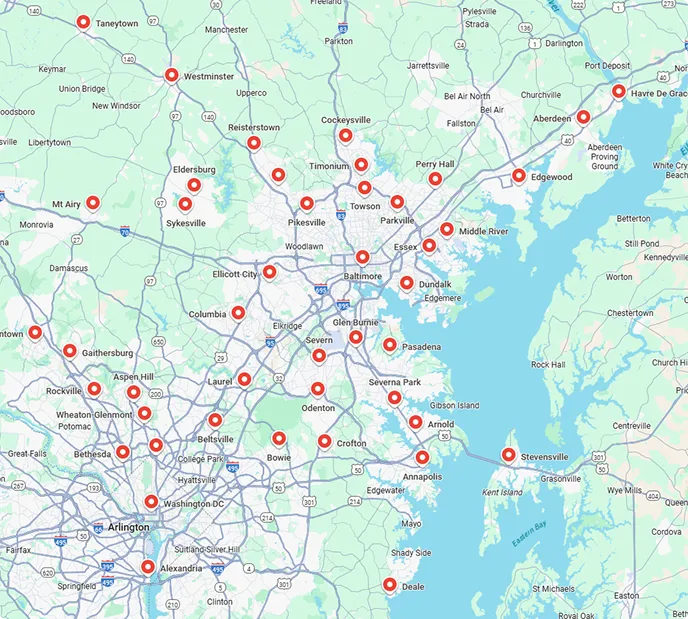
Service areas