

Ventilation in Cockeysville, MD
In Cockeysville, MD, Tario HVAC tackles moisture, odors, and allergens with a smart blend of whole-home and spot ventilation systems, all precisely tailored to the local climate. We identify common needs, such as effective humidity control, condensation prevention, and reducing mold risk. Then, we clearly explain the benefits of exhaust, supply, balanced, ERV, and HRV options, helping you understand when each system makes the most sense for your home. Our services cover ductwork, expert installation, routine maintenance, and crucial energy considerations, always emphasizing proper sizing, meticulous sealing, and diligent air quality monitoring. Through regular servicing, energy-saving controls, and seamless coordination with existing HVAC systems, we ensure lasting comfort and health for your Maryland home.

Ventilation in Cockeysville, MD
Good indoor air starts with the right ventilation. In Cockeysville, MD, homes face humid summers, cold winters, and seasonal pollen that combine to create common indoor air quality challenges: excess moisture in basements and bathrooms, condensation on windows, lingering cooking or pet odors, and elevated allergen levels in spring. Proper whole-home and spot ventilation strategies reduce these problems while protecting building materials and improving comfort. This page explains system types, how needs are assessed, installation and ductwork considerations, moisture and pollutant control benefits, maintenance expectations, and energy-efficient upgrade options tailored for Cockeysville homes.
Common ventilation needs and problems in Cockeysville homes
- High indoor humidity and mold risk in summer months due to Maryland’s humid climate.
- Condensation and ice buildup on windows or in wall cavities during winter if ventilation is inadequate.
- Elevated pollen and outdoor allergen infiltration during spring.
- Stale indoor air in tightly sealed or recently weatherized homes.
- Excess moisture in basements and crawlspaces leading to musty odors and damp finishes.
Understanding these local drivers helps select the right combination of whole-home and spot ventilation.
Types of ventilation systems
- Exhaust ventilation: Removes indoor air to the outside using exhaust fans (bathrooms, kitchen). Simple and cost-effective, but can pull in unconditioned outside air through gaps.
- Supply ventilation: Brings filtered outdoor air into the home with a fan and ductwork. Helps control where replacement air enters but can raise indoor humidity in summer if not paired with cooling or dehumidification.
- Balanced ventilation: Uses separate supply and exhaust fans to equalize air exchange. Prevents depressurization and reduces the risk of drawing soil gases into the home.
- ERV (Energy Recovery Ventilator) and HRV (Heat Recovery Ventilator): Recover heat (HRV) or heat and moisture (ERV) from exhaust air to precondition incoming air. ERVs are often preferred in humid climates because they transfer some moisture and reduce load on air conditioning.
- Spot ventilation: Local fans for bathrooms, kitchens, laundry rooms, and garages that address moisture and pollutants at the source.
Each option has trade-offs in complexity, cost, and energy performance. Many Cockeysville homes benefit most from a balanced system with ERV technology combined with targeted spot ventilation.
Assessing indoor air quality needs
A thoughtful assessment ensures the right system and properly sized equipment:
- Start with a walk-through to identify moisture sources (plumbing leaks, poor drainage, basement wetness), combustion appliances, and areas with poor air movement.
- Measure basic IAQ metrics: humidity, CO2, and particle levels. These readings identify high-occupancy ventilation needs and persistent pollutant issues.
- Evaluate the home’s envelope tightness and existing HVAC ductwork. Tighter homes need mechanical ventilation to meet fresh air standards, while leaky houses may require targeted sealing plus ventilation control.
- Consider occupant sensitivity (allergies, asthma), presence of pets, and home use patterns (home offices, frequent cooking) when recommending system type and controls.
Ductwork and installation considerations
Proper installation is as important as the equipment. Key points for Cockeysville installations:
- Size fans and ducts to meet recommended airflow rates without excessive noise. Undersized ductwork reduces performance and creates backpressure.
- Insulate and seal ducts run through unconditioned spaces to prevent energy loss and condensation.
- Position intakes away from pollutant sources (garages, dryer vents) and avoid locations that capture street dust or prevailing pollen.
- Use backdraft dampers and proper termination caps to prevent pests and moisture entry.
- Coordinate with existing HVAC systems when integrating ERV/HRV units: some homes use in-duct connections while others use dedicated ducting to supply and exhaust zones.
- Check local permitting and code requirements for mechanical ventilation and exterior penetrations.
How ventilation controls moisture and pollutants
- Ventilation reduces indoor humidity peaks by exchanging moist indoor air for drier outdoor air or by using ERVs that transfer moisture out of the home.
- Continuous or demand-controlled ventilation lowers concentrations of CO2, VOCs (from paints and cleaners), and airborne particles, improving cognitive performance and sleep quality.
- Spot ventilation during high-moisture activities (showers, cooking) prevents condensation and mold growth on building surfaces.
- Balanced systems minimize pressure-driven infiltration that can introduce soil gases or basement odors, helping maintain a healthier indoor environment.
Note: Radon is present in parts of Maryland. While ventilation can reduce accumulation in some cases, radon testing is the definitive way to understand risk; dedicated mitigation may be needed for elevated levels.
Recommended maintenance and service schedule
Routine care keeps ventilation systems effective and efficient:
- Replace or clean filters every 3 months or per manufacturer guidance to maintain airflow and reduce allergens.
- Clean spot fan housings and kitchen range hood filters monthly or as needed.
- Inspect ERV/HRV cores and washable filters annually; replace disposable filters and clean cores every 6–12 months depending on conditions.
- Verify duct sealing and insulation every 2–3 years, or sooner if occupants notice drafts or moisture.
- Test controls and sensors (humidity, CO2) yearly and recalibrate if readings drift.
- Have a professional inspect the system every 1–3 years to check motor bearings, belts, and electrical components.
Energy-efficient ventilation upgrades for Cockeysville homes
- Install an ERV rather than a simple exhaust system to recover energy and limit added humidity during warm months. ERVs typically offer the best balance for Maryland’s mixed-humid climate.
- Use demand-controlled ventilation with CO2 or humidity sensors so the system runs only when needed, reducing energy use and maintaining comfort.
- Select variable-speed fans and energy-efficient motors to lower electricity consumption and improve sound performance.
- Integrate ventilation control with the existing HVAC or heat pump system so fresh air is supplied during times when the furnace or AC is already conditioning the space.
- Upgrade to ENERGY STAR-rated fans and ensure ducts are sealed and insulated to maximize savings and reduce HVAC runtime.
Upgrades often deliver better comfort and lower operating costs by reducing HVAC load and preventing moisture-related inefficiencies.
Proper ventilation in Cockeysville, MD, protects homes from humidity-related damage, reduces allergens and indoor pollutants, and improves year-round comfort. Choosing the right mix of spot and whole-home ventilation—often a balanced ERV system combined with targeted exhaust fans—matches local climate realities while keeping energy use in check. Regular maintenance and smart, demand-based controls sustain performance and extend equipment life, making ventilation an investment in both health and the home’s longevity.

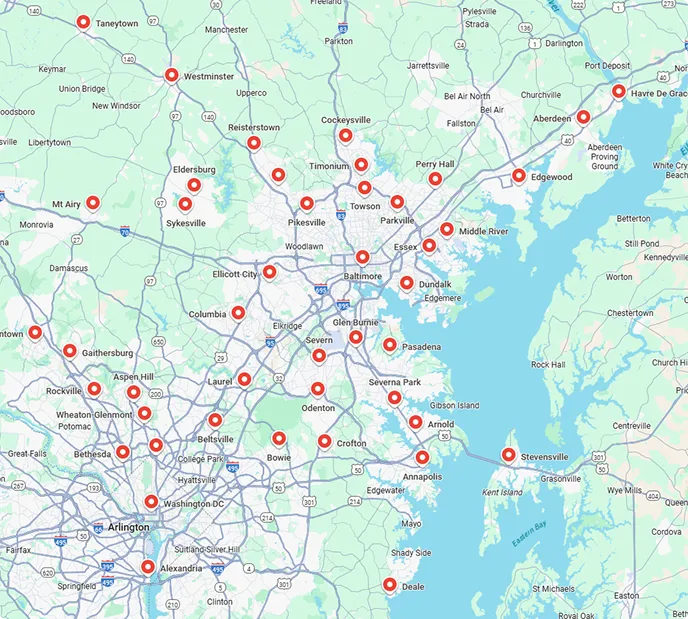
Service areas