

Smart Thermostats Installation in Taneytown, MD
For smart thermostat installation in Taneytown, MD, Tario HVAC provides professional guidance, thorough compatibility checks, and reliable wiring, all designed to maximize your energy savings and comfort. Our service outlines the process of choosing the perfect model, from basic Wi-Fi-enabled options to advanced learning, multi-stage, and HomeKit-compatible thermostats, always focusing on optimal HVAC compatibility and seamless remote control. We cover a typical installation workflow, starting with a safety power-down, through precise wiring, network setup, and rigorous testing. This also includes integration with voice assistants, comprehensive training, clear warranty options, and even financing considerations for local homeowners. With our clear guidance, you'll move confidently from purchasing your new thermostat to enjoying its benefits every day.
.webp)
Smart Thermostats Installation in Taneytown, MD
Upgrading to a smart thermostat is one of the most impactful home improvements for comfort and energy savings in Taneytown, MD. With cold winters and humid summers, accurate temperature control and smart scheduling can reduce heating and cooling waste while keeping your home comfortable year-round. This page explains professional smart thermostat installation services, what to expect during the process, and how to choose the best system for your Taneytown home.
Why professional installation matters
Smart thermostats are more than a thermostat head. Proper installation requires compatibility checks with your HVAC equipment, correct wiring (including common C-wire considerations), and integration with existing smart-home systems. Professional installation reduces the risk of system damage, ensures reliable connectivity, and includes setup and user training so you get full value from features like remote access and learning schedules.
Common smart thermostat issues in Taneytown, MD
- Missing or incompatible C-wire on older homes with conventional thermostats
- Incompatibility with boilers, two-stage heat systems, or packaged units
- Wi-Fi connectivity problems due to home layout or older routers
- Improper configuration causing short cycling or inefficient schedules
- Difficulty integrating with existing smart-home platforms
Consultation and system compatibility checks
A typical installation begins with a consultation focused on your home and HVAC system:
- Review of your current thermostat and wiring at the control board
- Identification of HVAC type: gas furnace, heat pump, boiler, or dual fuel
- Verification of 24V transformer and C-wire presence or an alternate power solution
- Assessment of Wi-Fi strength and smart-home platform compatibility (Alexa, Google, Apple HomeKit)
- Discussion of goals: energy savings, remote control, multi-zone scheduling, or learning features
This upfront assessment ensures the selected thermostat will work reliably with your HVAC equipment and home network.
Benefits of smart thermostats for Taneytown homes
- Energy savings: Optimized schedules and learning algorithms reduce run time during non-occupied hours, particularly helpful in variable Maryland seasons
- Remote access: Control temperature from anywhere via smartphone for vacation homes or changing schedules
- Scheduling and learning: Automatic adjustments based on occupancy and temperature patterns, reducing manual intervention
- Alerts and diagnostics: Early fault detection and system health reports can prevent costly HVAC breakdowns during cold snaps
- Integration: Voice control and automation with smart lights, locks, and sensors for improved comfort and safety
Guidance on model selection
Choosing the right thermostat depends on HVAC compatibility and desired features:
- Basic smart models: Wi-Fi enabled, app control, and scheduling
- Learning thermostats: Adaptive algorithms that create schedules automatically
- Multi-stage or heat pump-compatible models: Required for complex HVAC systems
- HomeKit compatible models: For users invested in Apple ecosystems
- Vendor-neutral vs proprietary ecosystems: Consider whether you want broad platform support or deep integration with a specific brand
During the consultation, prioritize compatibility and features that match your daily routines in Taneytown, such as remote control for weekend getaways or learning features that adapt to seasonal changes.
Step-by-step installation and wiring process
- Power down HVAC system and verify low-voltage circuit is safe
- Remove old thermostat and document wiring labels and terminals
- Confirm voltage and presence of C-wire; if absent, evaluate alternatives (C-wire adapter, common maker module, or power extender kit)
- Mount new thermostat backplate, run necessary wires, and make secure terminal connections
- Restore power and perform initial power-up checks to verify HVAC control signals
- Configure basic HVAC settings and calibrate system stages if needed
- Connect thermostat to home Wi-Fi and confirm remote access and scheduling functionality
Professional installers also test for short cycling, verify accurate temperature sensing, and run diagnostic cycles to confirm the HVAC responds correctly.
Integration with existing HVAC and smart-home platforms
Smart thermostats often need custom setup for full integration:
- Configure heat pump settings, auxiliary heat thresholds, and staging for multi-stage systems
- Link thermostat to voice assistants (Amazon Alexa, Google Assistant, Apple HomeKit) and other smart devices for automation scenes
- Set geofencing, vacation modes, and alerts that reflect local weather patterns and schedules
- Integrate with energy management platforms for usage insights and rebate eligibility
Proper integration ensures the thermostat not only controls temperature but also contributes to overall home efficiency and convenience.
Setup, user training, and handoff
A complete installation includes guided user training:
- How to use the mobile app and basic on-device controls
- Creating and modifying schedules, setting temperature hold or away modes
- Understanding energy reports and alert notifications
- Troubleshooting simple connectivity or sensor issues
- Best practices for seasonal adjustments in Taneytown, like pre-warming before cold nights
Clear training helps households confidently manage their new system and maximize savings.
Warranty and maintenance options
Professional installs typically include:
- Manufacturer warranty activation and explanation of coverage
- Installer-provided workmanship warranty for wiring and setup
- Optional annual checkups to verify connectivity, firmware updates, and HVAC response
- Regular maintenance reduces the chance of seasonal failures and helps preserve energy-saving performance.
Pricing, rebates, and financing considerations
While exact pricing varies by thermostat model and complexity of installation, homeowners should consider:
- Cost components: thermostat hardware, labor for wiring and system configuration, and any additional hardware (C-wire kit or transformer)
- Local utility rebates and state programs that may offset hardware costs or installation expenses
- Financing options: low-rate home improvement financing or energy-efficiency loans available through local programs or lenders
- Ask about warranty inclusions and whether firmware updates and remote support are part of the service.
Frequently asked questions
- Will a smart thermostat work with my boiler or heat pump?
- Most modern smart thermostats support boilers and heat pumps, but compatibility checks are essential for proper staging and auxiliary heat configuration.
- What if my home does not have a C-wire?
- Alternatives include a power extender kit, C-wire adapter, or running a proper C-wire. Each has pros and cons based on long-term reliability.
- How much energy can I realistically save?
- Savings depend on household behavior and HVAC efficiency, but many homes see measurable reductions in heating and cooling costs through optimized scheduling and reduced runtime.
- Can I keep my existing smart-home setup?
- Yes. Many thermostats integrate with major platforms, but confirm compatibility for advanced features like HomeKit secure pairing.
- Do smart thermostats need internet access?Basic scheduling can often run locally, but internet access is required for remote control, firmware updates, and some cloud-based learning features.
Long-term value for Taneytown homeowners
Professional smart thermostat installation is a strategic upgrade for Taneytown homes facing seasonal extremes. Proper compatibility checks, expert wiring, and thorough integration deliver reliability, improved comfort, and energy savings over time. Regular maintenance and firmware updates preserve performance, while knowledgeable setup ensures your thermostat works seamlessly with your HVAC system and smart-home ecosystem.

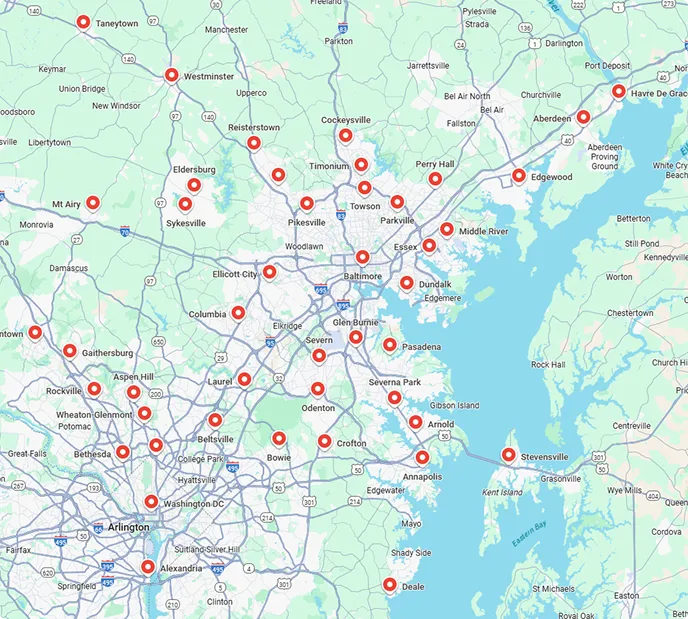
Service areas