

Furnace Tune-Up in Westminster, MD
A seasonal furnace tune-up from Tario HVAC is one of the simplest, highest-value steps Westminster homeowners can take to improve comfort, reduce energy costs, and reduce safety risks before the cold weather arrives. In Westminster, MD, where winters bring sustained cold and occasional snow, a properly tuned furnace delivers steady heat, avoids mid-season breakdowns, and reduces the risk of carbon monoxide problems in older or gas-fired systems. Here's what a professional tune-up from Tario HVAC includes, common local issues, the diagnostic process, typical timing, and how tune-ups prevent costly repairs.

Furnace Tune-Up in Westminster, MD
A seasonal furnace tune-up is one of the simplest, highest-value steps Westminster homeowners can take to improve comfort, reduce energy costs, and reduce safety risks before the cold weather arrives. In Westminster, MD, where winters bring sustained cold and occasional snow, a properly tuned furnace delivers steady heat, avoids mid-season breakdowns, and reduces the risk of carbon monoxide problems in older or gas-fired systems. This page explains exactly what a professional tune-up includes, common local issues, the diagnostic process, typical timing, and how tune-ups prevent costly repairs.
What a comprehensive furnace tune-up includes
A full seasonal tune-up focuses on cleaning, inspection, testing, and minor adjustments to restore safe and efficient operation. Typical tasks performed:
- Cleaning burners, heat exchanger surfaces, and coils to restore efficient combustion and heat transfer
- Inspecting and cleaning the combustion chamber and flue/venting for proper draft and no obstructions
- Checking ignition systems and pilot assemblies for reliable startup (hot surface igniters, pilots, and electronic ignition)
- Measuring combustion and checking for carbon monoxide (CO) to verify safe exhaust characteristics
- Lubricating motors, bearings, and moving parts to reduce wear and noise
- Verifying blower motor operation and measuring airflow to ensure even heating throughout the home
- Inspecting electrical connections, relays, and controls for corrosion, tightness, and safe function
- Verifying thermostat calibration and control sequencing for accurate temperature control
- Inspecting and advising on filters, belts, ducts, and vents for proper airflow and indoor air quality
- Documenting condition and recommending repairs for worn parts (heat exchanger cracks, failing igniters, worn motors)
Typical duration
Most standard furnace tune-ups in Westminster take about 45 to 90 minutes for modern forced-air systems. Systems that are older, multi-stage, or combined with humidifiers or zoned controls can take longer. The duration depends on system accessibility, fuel type (natural gas versus oil or propane), and whether additional tests or minor repairs are needed.
Typical diagnostic and testing steps
A methodical diagnostic process helps catch issues that lead to breakdowns:
- Visual inspection of the cabinet, venting, and immediate surroundings for leaks, rust, or blockages
- Startup and sequence check to observe ignition, burner operation, and cycling behavior
- Combustion analysis and CO check to ensure safe exhaust and combustion efficiency
- Airflow and static pressure checks to detect clogged filters, duct restrictions, or blower issues
- Electrical and safety control testing, including limit switches and safety interlocks
- Thermostat verification and temperature-rise measurement across the heat exchanger
- Report and prioritized recommendations for repairs or parts replacement
Common furnace issues in Westminster, MD homes
Westminster properties face several localized trends that show up during tune-ups:
- Accumulated dust and pollen after hot, humid summers that reduce burner and coil efficiency
- Older homes with aging venting and occasional flue obstructions from nests or debris
- Heat exchanger wear in long-serving furnaces; this is an important safety check because a cracked exchanger can lead to CO exposure
- Worn blower motors or belts in systems that have not had regular maintenance
- Thermostats drifting from accurate calibration after seasonal temperature swings
- Oil-fired furnaces in some older Westminster residences that require additional burner clean and combustion tuning
Performance benefits of a tune-up
Regular tune-ups deliver measurable, practical results:
- Improved fuel efficiency and potentially lower heating costs through better combustion and cleaner heat transfer surfaces
- More reliable startup and fewer mid-season emergency repairs when heating demand spikes
- Quieter operation from properly lubricated fans and balanced blowers
- Increased equipment lifespan by catching minor wear before it causes major failures
- Documented safety verification, including CO testing, that reduces risk to occupants
Signs you need a tune-up now
Schedule a professional inspection if you notice any of these signs:
- Uneven heating or rooms that never reach set temperature
- Strange noises such as rattling, squealing, or banging during operation
- Yellow or flickering pilot light on older systems (a potential combustion problem)
- Sudden spikes in heating bills without a change in thermostat behavior
- Frequent short-cycling (on/off cycles) or unusually long run times
- Carbon monoxide detector alerts or symptoms like unexplained headaches or nausea when heat runs
How tune-ups prevent costly breakdowns
Tune-ups catch small problems before they become expensive failures. Cleaning burners and coils reduces stress on the heat exchanger and blower, limiting premature motor and component failure. Tightening electrical connections and testing controls prevents intermittent faults that are expensive to locate. Early detection of a failing ignition system or weak blower motor allows planned parts replacement instead of emergency service in subzero weather, which often costs more and risks longer downtime.
Seasonal timing and homeowner maintenance tips for Westminster
- Best time to schedule: late summer to early fall, before heating demand starts. That timing avoids the seasonal rush and ensures the system is ready for cold snaps.
- Replace or clean filters every 1–3 months during the heating season depending on filter type and household conditions (pets, dust).
- Keep vents and returns unobstructed and check attic or crawlspace venting for blockages common after summer storms.
- Test carbon monoxide detectors monthly and replace batteries per manufacturer guidance.
- Consider a mid-season visual check if your home is older or you notice any of the warning signs above.
FAQs
Q: How often should I have a professional furnace tune-up in Westminster, MD?
A: Annually before the heating season is the standard recommendation; homes with heavy use, older systems, or indoor air quality issues may benefit from twice-yearly checks.
Q: Can I perform a tune-up myself?
A: Homeowners can replace filters and visually inspect vents, but proper combustion analysis, CO testing, and ignition system adjustments require trained technicians and specialized instruments.
Q: Will a tune-up fix every furnace problem?
A: A tune-up restores efficiency and safety and identifies developing issues. It does not replace needed major repairs or component replacements, but it reduces the likelihood of sudden failures.
Q: How will I know if my furnace has a cracked heat exchanger?
A: Technicians look for telltale signs during inspection and use CO and combustion testing. A cracked exchanger is a serious safety concern and typically requires replacement.
Q: Are tune-ups different for gas and oil furnaces?
A: The core inspection and cleaning steps are similar, but oil furnaces require specific burner removal and nozzle inspection procedures and may need oil filter and line checks.

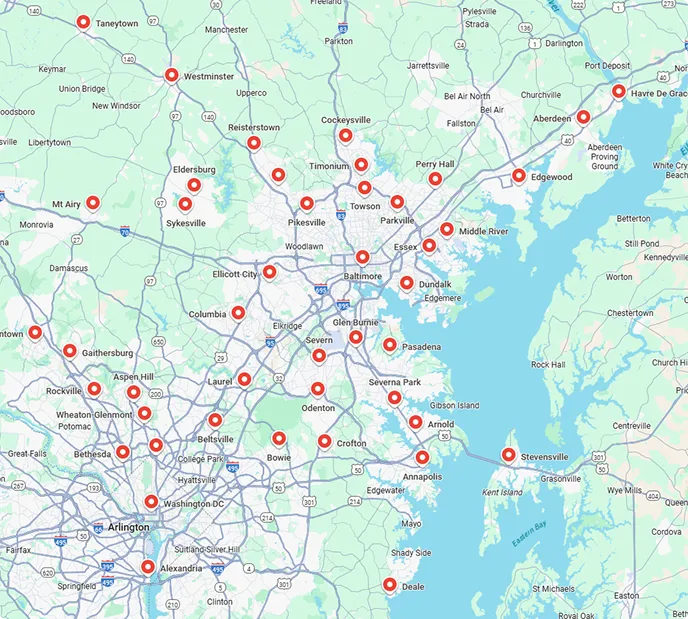
Service areas