

Furnace Repair in Westminster, MD
A reliable furnace is truly essential for Westminster, MD homes, especially with those cold winters and fluctuating temperatures putting heating systems through their paces for months on end. Tario HVAC's furnace repair in Westminster, MD, focuses on delivering fast, accurate diagnostics and repairs for both gas and electric furnaces, ensuring your home stays safe, warm, and energy-efficient. We'll explain common failure modes, our on-site troubleshooting procedures, parts replacement options, what to expect for emergency repair, our transparent pricing, thorough safety checks, and warranty practices, along with clear guidance on when repair is recommended versus a full replacement.
.webp)
Furnace Repair in Westminster, MD
A reliable furnace is essential for Westminster, MD homes where cold winters and fluctuating temperatures put heating systems to work for months each year. Furnace Repair in Westminster, MD focuses on fast, accurate diagnostics and repairs for gas and electric furnaces so your home stays safe, warm, and energy-efficient.
Common furnace issues in Westminster homes
Westminster homeowners commonly see these problems, especially after long heating seasons or in older systems:
- Ignition and pilot problems - Electronic igniters fail, or pilot assemblies clog. Symptoms include repeated shutdowns, clicking without ignition, or no heat.
- Blower motor and fan failures - Weak airflow, strange noises, or a furnace that runs but does not distribute heat usually point to blower or motor problems.
- Thermostat issues - Incorrect settings, dead batteries, wiring faults, or calibration errors can look like furnace failure but are easy to verify on-site.
- Clogged filters and restricted airflow - Dirty filters and blocked vents reduce efficiency and cause cycling or overheating.
- Control board and electrical faults - Burnt relays, capacitors, and control boards produce intermittent operation or error codes.
- Gas valve or combustion issues - Faulty gas valves, flame sensors, or venting problems cause safety-related shutdowns or poor combustion.
- Heat exchanger concerns - Cracked or corroded heat exchangers are a serious safety risk and often lead to replacement rather than repair.
On-site diagnostic and troubleshooting process
A professional furnace diagnostic in Westminster follows a clear, safety-first process:
- Safety inspection - Verify power and gas shutoff, check for gas odors, and ensure proper ventilation before any tests.
- System power and thermostat check - Confirm the thermostat call for heat, verify voltage and control signals, and test thermostat settings.
- Ignition and combustion sequence - Observe ignition start-up, monitor flame stability, and test flame sensors or pilot assemblies.
- Airflow and blower evaluation - Inspect blower motor, belts, and fan; measure airflow and check for blocked returns or ducts.
- Electrical diagnostics - Scan control board error codes, test capacitors and relays, and confirm safe operation of limit switches.
- Combustion and venting check - On gas furnaces, evaluate venting and draft; if indicated, a combustion efficiency check can be recommended.
- Estimate and options - After diagnosing, you receive a clear explanation of the issue, recommended repairs, and an itemized estimate showing parts and labor.
Typical repairs and parts replacement
Common repairs completed on-site in Westminster include:
- Replacing electronic ignitors, pilot assemblies, or flame sensors
- Replacing blower motors, belts, or capacitors
- Repairing or replacing thermostats and control boards
- Cleaning or replacing air filters and servicing burners
- Repairing gas valves or limit switches
- Sealing or repairing duct leaks and addressing airflow restrictions
- Replacing cracked heat exchangers when detected (replacement usually recommended for safety)
For each repair, parts are inspected and tested to confirm the diagnosis before replacement. Safety items like carbon monoxide checks and vent clearances are performed after repairs.
Emergency repair availability and response times
Heating failures during Westminster winters can be urgent. Typical response expectations include:
- Same-day service or within 24 hours for non-life-threatening outages during the heating season
- Emergency response within a few hours when a safety concern is present such as a gas smell, repeated ignition failure, or confirmed carbon monoxide risk
- Technicians will prioritize safety first, performing temporary measures if needed to secure the home and restore heat while arranging a permanent repair.
Pricing transparency and warranties
Transparent pricing is important for decision-stage customers:
- Diagnostic fees are explained up front and applied toward the repair cost when you proceed
- Estimates list parts, labor, and any recommended follow-up work so you can compare repair vs replacement
- Many parts and labor come with written warranty terms; manufacturer warranties may also apply for certain components
- All safety checks — including carbon monoxide testing and vent inspections — are typically included in the repair scope to ensure compliance with local safety standards.
When to repair versus replace
Deciding whether to repair or replace your furnace depends on several factors:
- Age of the furnace - Furnaces older than 15 years are often less efficient and more prone to costly failures.
- Cost of repair vs replacement - If repair estimates approach or exceed 50 percent of a replacement cost, replacement is usually more economical long term.
- Frequency of failures - Repeated breakdowns signal declining reliability; replacement reduces future interruptions.
- Safety issues - Cracked heat exchangers or recurring combustion problems generally warrant replacement for safety reasons.
- Efficiency and fuel type - Newer furnaces can deliver significant energy savings in Carroll County winters; upgrading may lower monthly heating bills and improve comfort.
- Considering local energy costs and the long heating season in Westminster, investing in a modern, efficient unit can make sense for older or frequently failing systems.
Benefits of timely repair and routine maintenance
Prompt furnace repairs and annual tune-ups deliver clear benefits:
- Restored comfort and reliable heat during cold spells
- Improved energy efficiency and lower utility bills
- Extended equipment life and reduced long-term replacement costs
- Early detection of safety hazards like gas leaks or heat exchanger cracks
- Seasonal maintenance items to keep on a Westminster home checklist: replace filters quarterly during heating season, verify thermostat operation, keep vents clear, and schedule an annual professional inspection before the first cold snap.
Q: How quickly can a furnace diagnostic be completed?
A: A typical on-site diagnostic for most furnaces takes 30 to 90 minutes depending on system complexity and whether additional testing is needed.
Q: Are emergency furnace repairs available during snow or freezing weather?
A: Emergency repairs are commonly available; technicians prioritize safety issues and can provide temporary fixes to restore heat while arranging permanent repairs.
Q: What safety checks are performed after a repair?
A: Post-repair safety checks include combustion and venting inspection, carbon monoxide testing, gas leak checks, electrical safety verification, and ensuring proper burner operation.
Q: How do I know if my heat exchanger is damaged?
A: Signs include persistent odors, soot, unusual cycling, or carbon monoxide readings; confirmatory tests require professional inspection and often mean replacement is recommended.
Q: Will a repair technician explain pricing and warranties before work begins?
A: Yes, a transparent estimate outlining parts, labor, and warranty coverage should be provided before authorizing repairs.
Q: When does replacement make more sense than repair?
A: Replace when the furnace is over 15 years old, repairs are frequent or costly relative to replacement, efficiency is low, or safety issues like a cracked heat exchanger are present.

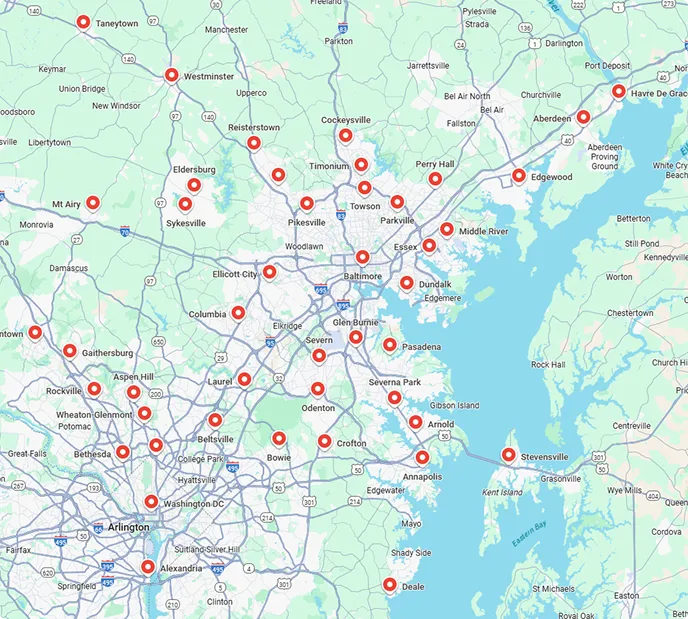
Service areas