

Furnace Service in Westminster, MD
A reliable furnace is truly essential for comfortable, safe winters in Westminster, MD. With cold temperatures, occasional heavy snow, and many older homes with legacy ductwork, timely furnace service from Tario HVAC prevents breakdowns, reduces energy waste, and limits safety risks like carbon monoxide exposure. We'll walk you through the furnace services we typically provide for Westminster homes – including diagnostics, repairs, maintenance, performance optimization, safety inspections, and service plans – explain what to expect during a visit, and showcase the qualifications our technicians bring to every job.
.webp)
Furnace Service in Westminster, MD
A reliable furnace is essential for comfortable, safe winters in Westminster, MD. With cold temperatures, occasional heavy snow, and older homes with legacy ductwork, timely furnace service prevents breakdowns, reduces energy waste, and limits safety risks like carbon monoxide exposure. This page explains the furnace services typically provided for Westminster homes — diagnostics, repairs, maintenance, performance optimization, safety inspections, and service plans — what to expect during a visit, and the qualifications technicians bring to each job.
Common furnace problems in Westminster, MD
- No heat or intermittent heat — often caused by failed ignitors, faulty thermostats, or blocked burners.
- Short cycling — furnace turns on and off frequently due to improper airflow, oversized systems, or safety sensor trips.
- Uneven home temperatures — common in older Westminster houses with leaking ducts, poor insulation, or unbalanced registers.
- High energy bills — reduced efficiency from clogged filters, dirty heat exchangers, or aging equipment.
- Unusual noises — rattles, bangs, or whistles can signal loose components, motor bearing wear, or combustion issues.
- Safety concerns — cracked heat exchangers or improper venting increase carbon monoxide risk, especially in tightly sealed homes.
Furnace services offered
- Comprehensive diagnostics
- System start-up and cycle analysis
- Thermostat calibration and control checks
- Electrical component testing (motors, relays, switches)
- Combustion and venting evaluation when applicable
- Repairs and component replacement
- Ignitors, flame sensors, and control boards
- Gas valves, burners, blower motors, and belts
- Filter racks, limit switches, and ignition systems
- Planned maintenance and tune-ups
- Filter replacement or recommendations for upgraded filters
- Burner and heat exchanger cleaning
- Lubrication of moving parts and inspection of electrical connections
- Airflow and static pressure checks
- Performance optimization
- Duct sealing and balancing recommendations
- Thermostat upgrade and zoning options for better comfort control
- Combustion efficiency tuning and airflow optimization to reduce energy use
- Safety inspections
- Carbon monoxide testing and alarm checks
- Combustion analysis and vent integrity assessment
- Heat exchanger visual inspection and leak testing
- Service plans
- Annual tune-ups, priority scheduling, and systematic maintenance visits
- Filter replacement programs and seasonal readiness checks
- Documented inspection reports and maintenance history for homeowners
What to expect during a service visit
Initial assessment and homeowner review
- The technician starts by discussing observed issues, recent performance, and any safety concerns you may have.
Visual inspection and system startup
- Exterior and interior components, vents, and accessible ductwork are checked. The furnace is observed through a full startup cycle.
Diagnostic testing
- Electrical measurements, thermostat response, airflow checks, and combustion testing are performed. Any abnormal readings are noted.
Cleaning and basic adjustments
- Dust and debris are removed from burners, flame sensors, and accessible components. Belts and fasteners are checked.
Safety checks
- Carbon monoxide levels are measured, flue and vent paths are inspected, and heat exchanger condition is assessed.
Findings report and recommendations
- The technician provides a clear report of findings, including required repairs, recommended optimizations, and an estimate for any work beyond the service scope. Estimates are based on observed issues and parts needed after diagnostics.
Technician qualifications and certifications
- NATE certification — North American Technician Excellence validates broad HVAC knowledge and practical skills.
- EPA 608 (when applicable) — required for handling refrigerants on systems that include heat pump integration.
- State licensing and local compliance — technicians adhere to Maryland licensing and local code requirements for gas and venting work.
- Continuing education — training in combustion analysis, high-efficiency systems, and modern thermostat controls ensures technicians can service both older furnaces common in Westminster and newer models.
- Background checks and professionalism — technicians typically follow safe work practices, wear identification, and explain findings clearly.
Safety and compliance focus
Safety inspections are especially important in Westminster where older homes and seasonal tight insulation can trap combustion byproducts. Key safety tasks include carbon monoxide testing, verification of proper gas pressure, inspection of venting and flue integrity, and heat exchanger evaluation. Ensuring compliance with local codes and manufacturer specifications reduces risk and supports safe, efficient operation.
Performance optimization details
Improving furnace performance often yields the best value through targeted measures:
- Airflow balancing and duct sealing — reduces hot and cold spots and lowers blower run time.
- Thermostat calibration and smart controls — modern controls reduce wasted runtime and adapt to occupancy patterns.
- Filter upgrades and scheduled replacements — high-efficiency filters combined with routine changes preserve heat exchanger and blower life.
- Combustion tuning — adjusting burner settings and checking gas pressure improves fuel use and heat output.These optimizations are tailored to the unique layout, insulation level, and usage patterns of Westminster homes.
Service plans and benefits
Service plans typically bundle annual tune-ups, priority response windows during peak cold snaps, written inspection reports, and discounts on parts. Regular maintenance through a plan helps avoid emergency breakdowns, preserves warranty coverage on many systems, and extends overall equipment life. Plans can be structured around seasonal needs: pre-winter heating checks and spring inspections for any integrated systems.
Scheduling and availability
Typical scheduling options include seasonal maintenance windows, priority slots for members of service plans, and emergency service availability during cold weather periods. Appointments generally include an estimated time window and clear documentation of what was inspected and any next steps recommended.
Q: How often should my Westminster furnace be serviced?
A: Annual professional maintenance before the heating season is recommended, with filter checks or changes every 1 to 3 months depending on filter type and household conditions.
Q: What does a safety inspection include?
A: Safety inspections include carbon monoxide testing, heat exchanger inspection, vent and flue integrity checks, gas pressure verification, and combustion analysis when needed.
Q: Will a tune-up reduce my energy bill?
A: Yes, tune-ups that address airflow, combustion efficiency, and thermostat calibration commonly lower energy usage by improving system efficiency.
Q: Can you service older furnaces in historic Westminster homes?
A: Technicians trained in older systems can perform diagnostics, repairs, and safety inspections; sometimes upgrades or part replacements are recommended to meet current safety and efficiency standards.
Q: What should I have ready before a technician arrives?
A: Have clear access to the furnace, note any unusual sounds or patterns of operation, and share recent thermostat settings or error codes if visible.
Q: How are repair needs and estimates communicated?
A: After diagnostic testing, technicians provide a written or verbal report detailing issues, recommended repairs, and an estimate for any additional work required.

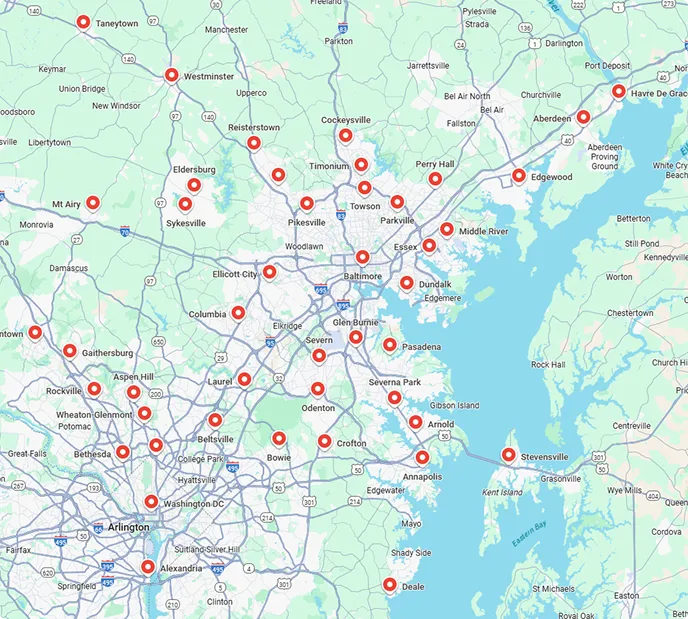
Service areas