

Furnace Installation in Westminster, MD
In Westminster, MD, installing a new furnace stands as one of the most crucial upgrades for enhancing comfort, ensuring safety, and achieving long-term energy savings. With our cold winters, occasional subfreezing nights, and a mix of older housing stock across various neighborhoods, Tario HVAC knows that proper furnace installation is key to preventing uneven heating, tackling high utility bills, and mitigating safety risks like carbon monoxide. We're here to explain exactly what a professional furnace installation in Westminster, MD, entails—from comprehensive pre-installation assessments and load calculations to commissioning, thermostat integration, and vital ongoing maintenance and warranty considerations.
Furnace Installation in Westminster, MD
Installing a new furnace is one of the most important upgrades you can make for comfort, safety, and long-term energy savings in Westminster, MD. With cold winters, periodic subfreezing nights, and older housing stock in many neighborhoods, proper furnace installation prevents uneven heating, high utility bills, and safety risks like carbon monoxide.
Why a professional installation matters in Westminster, MD
- Westminster winters routinely require reliable heat for months each year. An improperly sized or poorly installed furnace will run inefficiently and wear out faster.
- Many local homes have older duct systems, mixed fuel setups, or tight attic and basement spaces that complicate installation and airflow.
- Proper safety checks are essential in colder climates where furnaces run longer and combustion-related risks increase.
Common furnace installation situations in Westminster, MD
- Replacing a failed or inefficient gas or electric furnace in older homes.
- Upgrading to a higher-efficiency unit to lower heating costs during long winters.
- Converting fuel types (for example, switching from oil to natural gas where available, or from electric baseboard to a central forced-air furnace).
- Adding zoning or replacing ductwork in homes with uneven rooms or second-floor overheating.
- New construction installs requiring full system design, duct layout, and integration with home controls.
Pre-installation home and ductwork assessments
A thorough pre-installation assessment ensures the new furnace meets your home’s needs and local safety codes.
Key assessment elements:
- Home load calculation (Manual J): Measures heat loss and gain for each room to determine accurate system size. This prevents oversizing or undersizing that causes inefficiency or short cycling.
- Ductwork inspection (Manual D principles): Checks duct size, sealing, insulation, and layout. Leaky or undersized ducts in Westminster homes can negate efficiency gains from a new furnace.
- Venting and combustion air evaluation: Confirms safe flue/vent routes and adequate combustion air, particularly important for tight, retrofitted homes.
- Fuel availability and infrastructure review: Ensures gas lines, oil tanks, or electrical service are suitable and up to code.
- Site logistics: Confirms clearances for the furnace, access for service, and condensate/drain planning for high-efficiency units.
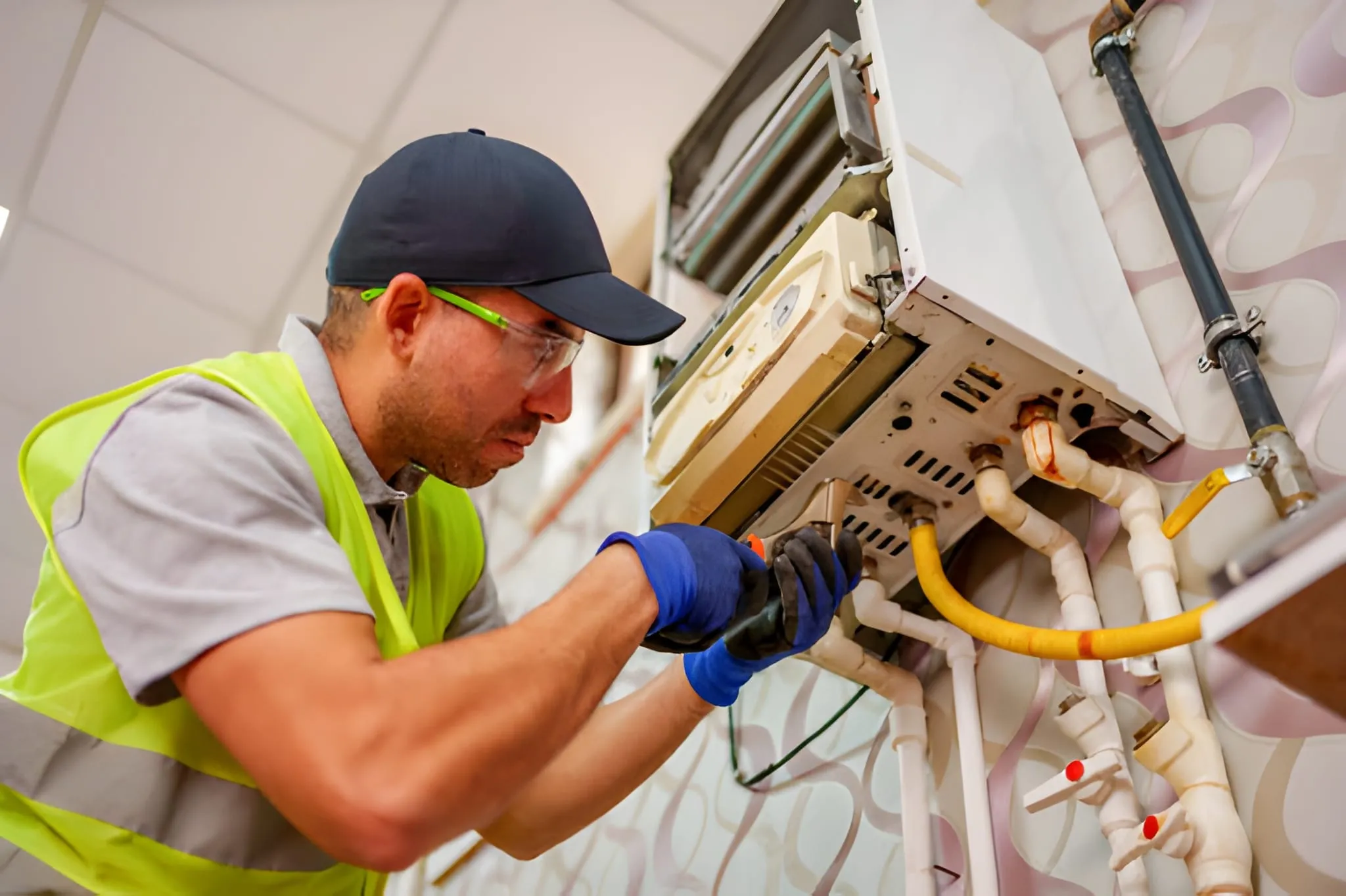
Professional installation procedures
A professional installation follows a consistent, code-compliant process so the system performs reliably.
Typical installation steps:
- Remove old equipment safely, disposing of components per local regulations.
- Modify or replace ductwork as needed: seal joints, add balancing dampers, and insulate ducts in unconditioned spaces.
- Install the new furnace on a stable platform with proper clearances and vibration isolation.
- Connect gas, fuel, or electrical services with code-compliant fittings and shutoffs.
- Install venting, flue, or direct-vent terminations following manufacturer and local code requirements.
- Integrate condensate drains for high-efficiency condensing furnaces.
- Wire controls and thermostats, including zone controls if applicable.
- Program startup sequences and safety interlocks.
System sizing and load calculations
Correct furnace sizing is critical. Sizing is based on calculated heating load, not simply square footage. Factors include insulation levels, window types, orientation, air infiltration, and local climate conditions in Westminster. A properly sized system runs longer cycles for stable comfort and better efficiency. Oversized systems short cycle, increase wear, and can cause humidity problems in milder shoulder seasons.
Quality assurance testing and safety inspections
After installation, a series of tests verify performance and safety.
Essential tests and inspections:
- Combustion efficiency and carbon monoxide check: Verifies safe fuel combustion and venting.
- Static pressure and airflow testing: Ensures ducts deliver required airflow to each room.
- Leak and CO detector verification: Confirms no hazardous leaks and proper placement of detectors.
- Electrical load and start-up testing: Verifies wiring, motor currents, and safe operation.
- Thermostat calibration and control checks: Ensures accurate temperature response and scheduling.
- Final code compliance inspection: Confirms adherence to local mechanical and fuel codes.
Thermostat integration and controls
Modern furnaces achieve the best efficiency with compatible thermostats and controls. Options include:
- Programmable or smart thermostats for scheduled setbacks and remote control.
- Multistage furnace controls paired with multistage thermostats for smoother heat output.
- Zoning systems with multiple thermostats and motorized dampers to balance temperatures room by room.Proper integration improves comfort and can reduce energy use during Westminster’s variable seasonal demands.
Post-installation commissioning and documentation
Commissioning includes a final system walk-through and documentation package that should include:
- Completed load calculation and equipment sizing sheet.
- As-installed duct and venting diagrams.
- Startup test results: airflow, static pressure, combustion numbers, and CO levels.
- Manufacturer and installer warranty information, appliance model and serial numbers.
- Recommended maintenance schedule and filtering guidance tailored to local conditions.
Maintenance plans and warranties
Routine maintenance extends furnace life and maintains efficiency through Westminster’s long heating season. Good maintenance plans typically include seasonal inspections, filter changes, burner and pilot checks, combustion testing, and priority scheduling. Understand what the manufacturer warranty covers versus installer workmanship warranties and what actions or neglect can void coverage.
Benefits of timely, professional furnace installation
- Lower energy bills through correctly sized, high-efficiency equipment.
- Improved year-round comfort and more consistent indoor temperatures.
- Reduced risk of safety issues like carbon monoxide exposure or venting failures.
- Longer equipment lifespan with fewer breakdowns during cold snaps.
- Better indoor air quality when duct sealing and filtration are addressed.
Q: How do installers determine the right furnace size for a Westminster, MD home?
A: Installers perform a Manual J load calculation that factors in insulation, windows, orientation, infiltration, and local climate to determine the precise heating load rather than relying on square footage alone.
Q: Will a new furnace require ductwork changes in older Westminster homes?
A: Often yes. Older ductwork can be undersized, leaky, or poorly insulated. A duct inspection typically reveals needed repairs or redesigns to ensure proper airflow and efficiency.
Q: What safety inspections are performed after installation?
A: Post-installation checks include combustion efficiency and carbon monoxide testing, venting integrity, electrical safety tests, airflow verification, and confirmation of code-compliant vent terminations.
Q: Can I integrate a smart thermostat with my new furnace?
A: Yes. Most modern furnaces support programmable and smart thermostats, and installers can configure multistage controls or zoning systems to optimize comfort and efficiency.
Q: How often should I schedule furnace maintenance in Westminster, MD?
A: Annual inspections and tune-ups before the heating season are recommended. Homes with heavy winter use or older equipment may benefit from biannual checks.

Service areas