



Furnace Tune-Up in Lutherville-Timonium, MD
A professional furnace tune-up from Tario HVAC in Lutherville-Timonium, MD keeps your heating system safe, efficient, and reliable through the cold months. With Baltimore County winters that bring steady cold, occasional snow, and wide temperature swings from fall to spring, a well-maintained furnace prevents breakdowns during peak demand, reduces energy waste, and limits indoor air quality problems. We'll explain what a tune-up includes, common furnace issues in Lutherville-Timonium homes, the diagnostic and maintenance process, expected time, cost considerations, recommended frequency, and practical tips for preventive service appointments.
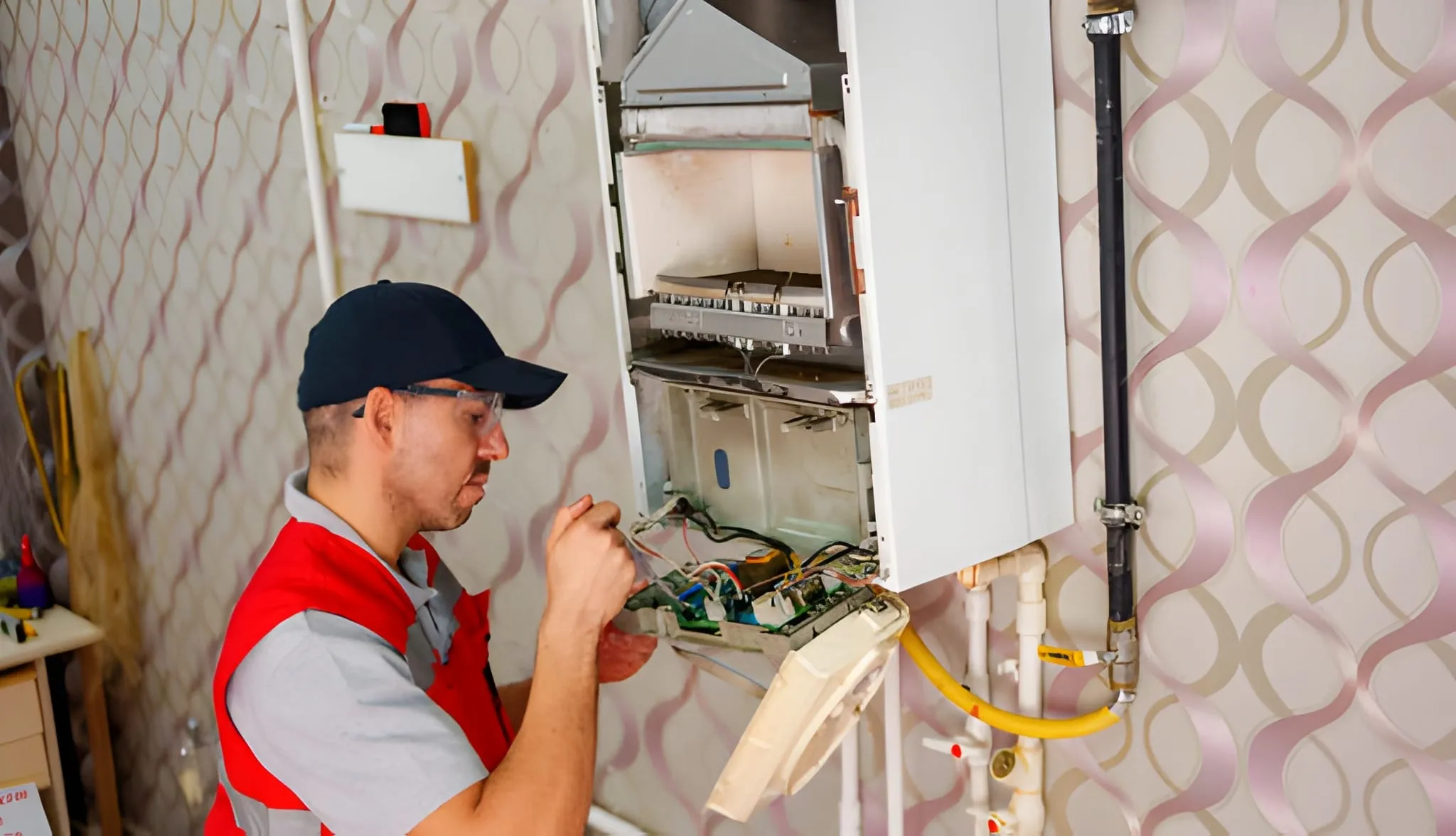
Furnace Tune-Up in Lutherville-Timonium, MD
A professional furnace tune-up in Lutherville-Timonium, MD keeps your heating system safe, efficient, and reliable through the cold months. With Baltimore-County winters that bring steady cold, occasional snow, and wide temperature swings from fall to spring, a well-maintained furnace prevents breakdowns during peak demand, reduces energy waste, and limits indoor air quality problems. This page explains what a tune-up includes, common furnace issues in Lutherville-Timonium homes, the diagnostic and maintenance process, expected time, cost considerations, recommended frequency, and practical tips for preventive service appointments.
Why a Furnace Tune-Up Matters in Lutherville-Timonium
Local climate factors: colder winters and humid summers increase the workload on heating systems and can accelerate wear on components. Older homes in the area often have legacy duct layouts or older furnaces that require careful inspection. A tune-up identifies worn parts, corrects combustion and airflow issues, and reduces the risk of carbon monoxide leaks and uneven heating in multi-level homes.
Key homeowner pain points addressed:
- Unexpected winter breakdowns
- Rising heating bills from inefficient operation
- Noisy starting or cycling
- Uneven temperatures between rooms
- Odors or poor indoor air quality after long idle periods
What a Furnace Tune-Up Includes
A comprehensive furnace tune-up covers cleaning, inspection, testing, and adjustments. Typical tasks performed during a standard tune-up include:
- Cleaning burners, pilot assembly, and flame sensors to ensure stable ignition and complete combustion
- Inspecting the heat exchanger for cracks or corrosion that could cause combustion gas leaks
- Checking and testing ignition controls, pilots, and safety shutoffs for reliable start-up
- Cleaning or replacing air filters and inspecting the return and supply ducts for major obstructions
- Lubricating motors, bearings, and moving parts to reduce wear and noise
- Inspecting electrical connections, thermostats, and limit switches for safe operation
- Verifying and adjusting gas pressure or fuel delivery as needed for steady burner performance
- Testing system startup and shutdown sequences, and monitoring combustion efficiency where applicable
- Checking for signs of soot, rust, or moisture that indicate other issues
Each tune-up includes a basic performance test and a short report on system condition and recommendations for repairs or part replacements if needed.
Common Furnace Issues in Lutherville-Timonium Homes
Local trends and typical causes:
- Dust and pollen buildup from wooded yards and seasonal pollen can clog filters and burners
- Condensation or moisture-related corrosion inside the furnace in homes with high indoor humidity
- Aging ductwork, especially in older craftsman and colonial-style houses, causing airflow problems
- Infrequent maintenance leading to carbon buildup that reduces combustion efficiency
- Thermostat calibration drift from temperature swings in transitional seasons
Recognizing these issues early through annual tune-ups limits downtime and prevents minor problems from becoming major repairs.
Diagnostic Process and What to Expect
A systematic tune-up follows a clear diagnostic flow:
- Visual inspection to spot obvious issues like rust, water, or signs of rodent activity.
- Safety tests including carbon monoxide checks, combustion inspection, and verification of safety shutoffs.
- Airflow and electrical tests to confirm blower motor performance and proper circuit function.
- Combustion and fuel system assessment where technicians evaluate burner flames and fuel delivery.
- Operational test cycle to observe start, run, and shutdown behavior under normal thermostat demands.
Technicians document findings and advise on repairs that affect safety or efficiency. They will prioritize safety items such as cracked heat exchangers and faulty limit switches.
Expected Time and Cost Considerations
Time: A typical furnace tune-up in Lutherville-Timonium takes approximately 45 to 90 minutes for most forced-air systems. Longer inspections may be required for older, complex, or hard-to-access systems.
Cost: Pricing varies depending on system type, age, accessibility, and any additional repairs or parts required. Costs also depend on whether additional services—such as filter replacements, minor repairs, or combustion testing—are performed during the visit. Homeowners should expect price variation based on those factors and the scope of work identified during the inspection.
Recommended Frequency
Annual tune-ups are the industry standard for most gas and oil furnaces. Scheduling service in early fall, before sustained cold weather arrives, gives time to address any needed repairs and ensures reliable startup. For homes with older systems, commercial properties, or households with high indoor air quality needs, semi-annual checkups can provide additional assurance.
Repairs and Efficiency Improvements Often Recommended
Following inspection, common corrective actions that improve safety and efficiency include:
- Replacing air filters and cleaning duct registers to restore proper airflow
- Adjusting burner settings and cleaning combustion components to optimize fuel use
- Tightening electrical connections and replacing worn capacitors or belts to improve motor efficiency
- Sealing minor duct leaks or suggesting targeted ductwork improvements for better balance
- Replacing thermostats with calibrated or programmable models to reduce cycling
Many of these measures reduce fuel use, lower utility costs, and extend equipment life when implemented promptly.
Preventive Maintenance Tips for Lutherville-Timonium Homes
- Schedule annual tune-ups in early fall to prepare for Maryland winters.
- Change filters regularly; homes with pets or pollen issues may need more frequent changes.
- Keep the area around the furnace clear and dry; remove storage and be mindful of basement moisture.
- Monitor indoor humidity during winter; very low humidity shortens system runtime but very high humidity can cause corrosion.
- Note any new sounds, smells, or changes in performance and have them checked rather than waiting for failure.
How Preventive Service Appointments Typically Work
A typical preventive service appointment process includes:
- Prepare system information: note make, model, age, and any recent issues or unusual behavior.
- Select a convenient pre-season timeframe, preferably before sustained cold weather begins.
- Expect a technician to perform the diagnostic checklist, share findings, and document recommended follow-up.
- If repairs or parts are needed, the technician will explain priorities and expected timelines for completion.
- Keep an annual service record to track maintenance history and warranty compliance.
A regular preventive maintenance plan keeps furnace records organized, helps with warranty requirements, and gives a clear baseline for future decisions about repairs or replacement.
FAQs
Q: How often should I have a furnace tune-up in Lutherville-Timonium?
A: Annual tune-ups before the heating season are recommended; older systems or homes with special needs may benefit from twice-yearly checks.
Q: How long does a standard furnace tune-up take?
A: Most tune-ups are completed in about 45 to 90 minutes depending on system access and condition.
Q: What are the biggest safety concerns a tune-up addresses?
A: Inspecting the heat exchanger for cracks, testing safety shutoffs, checking combustion efficiency, and verifying ventilation to prevent carbon monoxide hazards.
Q: Will a tune-up reduce my heating bills?
A: Yes. Cleaning, adjusting, and repairing components improves combustion efficiency and airflow, which reduces energy waste and can lower heating costs.
Q: What should I do before a technician arrives for a tune-up?
A: Ensure the furnace area is accessible, note the system make and age if possible, and list any recent issues or unusual noises to share during the visit.

Service areas
