

Furnace Installation in Lutherville-Timonium, MD
For consistent winter comfort in Lutherville-Timonium, MD, an efficient and properly sized furnace is absolutely essential. At Tario HVAC, we're here to explain exactly what to expect from a professional furnace installation, why precise sizing and strict code compliance are so important for Baltimore County homes, common local issues we address, and provide practical tips for both new and experienced furnace owners. Our ultimate goal is to empower you to make a truly informed decision about a new heating system that perfectly suits your home, lifestyle, and Maryland's unique climate conditions.
-min.webp)
Furnace Installation in Lutherville-Timonium, MD
An efficient, properly sized furnace is essential for reliable winter comfort in Lutherville-Timonium, MD. This page explains what to expect from a professional furnace installation, why proper sizing and code compliance matter for Baltimore County homes, common local issues, and practical tips for first-time furnace owners. The goal is to help you make an informed decision about a new heating system that matches your home, lifestyle, and Maryland climate conditions.
Why a professional furnace installation matters in Lutherville-Timonium
Lutherville-Timonium experiences cold winters and occasional extended cold snaps, so a dependable furnace reduces fuel waste, prevents uneven heating, and protects against freeze-related damage. Many homes here are older or have additions, so inaccurate load calculations or poorly modified ductwork frequently lead to short cycling, high energy bills, and premature equipment wear. A professional installation addresses those local challenges up front.
Common furnace needs and issues in Lutherville-Timonium homes
- Undersized systems after renovations or attic conversions
- Leaky or undersized ductwork in older houses
- Inadequate combustion air or venting in tight, modernized homes
- Lack of proper permits or noncompliant venting after DIY swaps
- Poor thermostat placement causing uneven temperatures
- Condensing furnace drainage issues in basements and utility rooms
Pre-installation inspection and site preparation
A proper installation begins with a thorough inspection of your home:
- Visual review of existing furnace, flue, and duct layout
- Assessment of combustion air availability and venting route
- Measurement of available clearance and mechanical room access
- Inspection for asbestos or other hazards in older equipment areas
- Evaluation of electrical supply and potential need for upgrades
Site preparation includes clearing access routes, ensuring proper floor support, and identifying safe venting paths that meet local code. For homes in flood-prone basements or with high humidity, the installer will recommend elevation, condensate management, and corrosion-resistant materials.
Equipment selection and accurate sizing
Selecting the right furnace is not about picking the biggest unit. Proper sizing keeps the system efficient and durable:
- Load calculation: A qualified installer performs a heating load calculation (addressing insulation, windows, orientation, and local climate) to determine the correct capacity.
- Efficiency choices: High-efficiency condensing furnaces recover more heat but require proper drainage and compatible venting. Mid-efficiency units may be appropriate in certain situations.
- Modulating vs single-stage: Variable-speed or modulating furnaces provide better comfort control and efficiency in homes with variable heating loads.
Sizing mistakes common in this area include oversizing for newly insulated homes or undersizing after an addition. A precise calculation reduces fuel use and avoids short cycling.
Permit, code compliance, and inspections
In Baltimore County and surrounding jurisdictions, furnace replacements typically require permits and an inspection. Professional installers will:
- Submit the required permit applications
- Ensure installations follow county codes and the National Fuel Gas Code where applicable
- Provide documentation for municipal inspectionsCompliance avoids failed inspections, fines, and safety hazards like improper venting or gas leaks.
Ductwork and venting considerations
Ductwork performance is as important as the furnace itself:
- Duct sizing and balance: Properly sized supply and return ducts maintain system efficiency and comfort.
- Sealing and insulation: Sealing leaks and insulating ducts in unconditioned spaces reduces heat loss—especially important in older Lutherville-Timonium homes with uninsulated crawlspaces or attics.
- Venting route: Condensing furnaces require PVC venting and trap arrangements; non-condensing units need proper flue and draft systems.
- Combustion air: Tight homes must have adequate combustion air to prevent backdrafting and carbon monoxide risks.
Professional installation steps and system commissioning
A quality installation follows a consistent process:
- Remove old equipment safely and dispose of it per local regulations.
- Prep the site, set proper clearances, and position the new furnace.
- Connect gas, electrical, venting, and condensate systems with code-compliant materials.
- Modify or replace ductwork as indicated by the load and layout.
- Install or upgrade thermostat and controls for zoning if required.
- Commission the system: perform startup checks, measure gas pressure, test ignition sequences, verify airflow and static pressure, calibrate thermostat, and confirm proper venting.
- Conduct safety checks: carbon monoxide testing, leak checks, and electrical ground verification.
Commissioning ensures the system runs as designed during actual operating conditions and validates efficiency and safety.
Installer credentials, warranty, and documentation
Choose an installer who provides documented credentials and warranties:
- Credentials to look for: Maryland HVAC license, NATE certification, bonded and insured status.
- Written warranties: Manufacturer’s parts and heat exchanger warranties, plus a separate labor warranty covering installation workmanship.
- Registration and paperwork: Proper warranty registration with the manufacturer and a complete installation report help preserve long-term coverage.
Ask for a copy of permits, inspection approvals, and a commissioning report showing test results and recommended maintenance schedules.
Tips for first-time furnace owners in Lutherville-Timonium
- Understand your thermostat: Learn setback strategies and use programmable or smart thermostats to reduce fuel use during cold months.
- Change filters regularly: Use the filter type recommended by the installer and replace or clean on schedule to maintain airflow and protect the heat exchanger.
- Plan maintenance annually: A fall tune-up prevents mid-winter failures and keeps efficiency high.
- Monitor combustion safety: Install CO monitors near sleeping areas and on each level of the home; test them regularly.
- Keep vents and returns unobstructed: Furniture, drapes, and stored items reduce airflow and create hot and cold spots.
- Check for rebates and incentives: Local utilities or state programs sometimes offer incentives for high-efficiency installations or upgrades.
Long-term benefits of a properly installed furnace
When installed correctly, a new furnace delivers:
- More consistent comfort across the home
- Lower energy bills through optimized efficiency
- Longer equipment life with fewer repairs
- Improved indoor air quality with sealed ductwork and correct filtration
- Reduced safety risk through compliant venting and combustion practices
Q: How long does a typical furnace installation take?
A: Most standard furnace installations are completed in one day once the site is prepared and no major duct or gas line upgrades are needed. Complex jobs with ductwork modification or structural changes may take longer.
Q: Will a high-efficiency furnace require different venting?
A: Yes. High-efficiency condensing furnaces typically use PVC venting and require proper condensate drainage. The installation must handle the condensate safely and meet local code.
Q: How is the correct furnace size determined?
A: A qualified technician performs a heating load calculation that considers insulation, windows, home orientation, number of occupants, and local climate factors to determine the appropriate capacity.
Q: What warranties should I expect?
A: Expect a manufacturer parts warranty and often a heat exchanger warranty. Reputable installers also provide a labor or workmanship warranty. Registering the equipment with the manufacturer preserves coverage.
Q: Are permits always required in Baltimore County?
A: Most furnace installations require permits and inspections. A licensed installer familiar with Baltimore County practices will handle permitting and ensure code compliance.

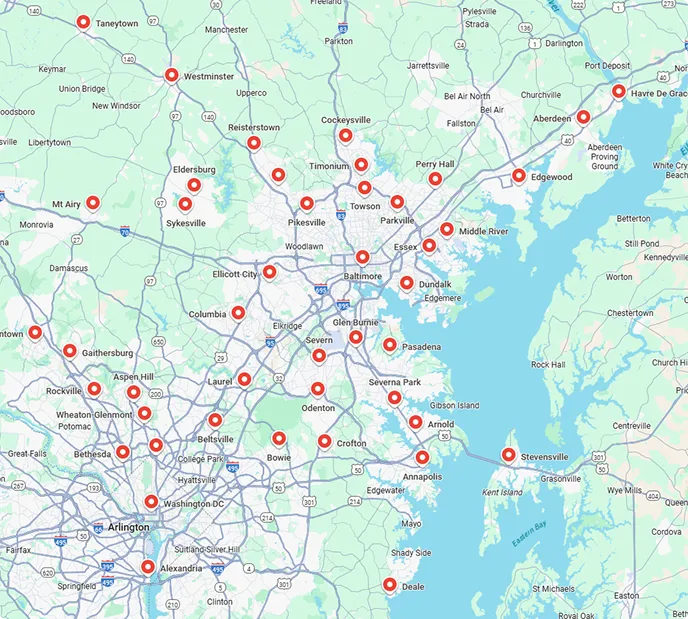
Service areas