

Furnace Replacement in Lutherville-Timonium, MD
Replacing a furnace is one of the most impactful home upgrades for comfort, safety, and long-term energy savings in Lutherville-Timonium, MD. With cold snaps in winter and variable humidity year to year, aging systems lose efficiency, increase fuel costs, and raise the risk of breakdowns. Tario HVAC can help you assess whether replacement is right for your home, show you how proper sizing and model selection affect performance, explain what to expect during removal and installation, and clarify how warranties, rebates, and post-installation testing protect your investment.
.webp)
Furnace Replacement in Lutherville-Timonium, MD
Replacing a furnace is one of the most impactful home upgrades for comfort, safety, and long-term energy savings in Lutherville-Timonium, MD. With cold snaps in winter and variable humidity year to year, aging systems lose efficiency, increase fuel costs, and raise the risk of breakdowns. This guide explains how to assess whether replacement is right for your home, how proper sizing and model selection affect performance, what to expect during removal and installation, and how warranties, rebates, and post-installation testing protect your investment.
Why furnace replacement matters in Lutherville-Timonium, MD
- Maryland winters can put sustained demand on heating systems. Older furnaces often struggle to maintain comfortable indoor temperatures without consuming more fuel.
- Lutherville-Timonium homes vary from historic constructions to newer builds, so ductwork, insulation, and ventilation conditions commonly influence replacement needs.
- Replacing a furnace with a higher-efficiency model tailored to local fuel availability (natural gas, propane, or electric heat pump hybrids) can reduce seasonal energy use and improve year-round comfort.
Common furnace problems that lead to replacement
- Persistent breakdowns and high repair frequency
- Increasing energy bills despite regular maintenance
- Uneven heating or rooms that never reach set temperatures
- Loud operation, frequent cycling, or visible rust and corrosion
- Safety concerns such as cracked heat exchangers or repeated pilot/light issues
Assessing system age, efficiency, and condition
A practical evaluation starts with age and service history. Furnaces older than typical service lifespans or with recurring major failures are prime candidates for replacement. Efficiency is measured by metrics like AFUE for combustion furnaces or HSPF/SEER for heat pumps; higher numbers mean lower fuel use for the same heat output. An on-site inspection should include:
- Visual condition of the furnace, flue, and combustion area
- Combustion efficiency testing (if applicable)
- Duct inspection for leaks, insulation, and proper sizing
- Review of past repair records and energy bills to identify trends
Load calculations and proper sizing
Correct sizing is critical. Oversized units short-cycle, causing uneven temperatures, higher wear, and reduced efficiency. Undersized units run continuously and fail to meet comfort needs. A Manual J load calculation or equivalent assessment evaluates:
- Home square footage, insulation levels, window types, and orientation
- Air infiltration and duct losses
- Local design temperatures for Lutherville-Timonium to ensure heating capacity matches extreme weather
- Proper sizing results in a system matched to your home’s unique requirements, improving comfort and equipment lifespan.
Comparing high-efficiency models and fuel types
- High-efficiency gas furnaces: Better AFUE ratings reduce fuel consumption. Ideal where natural gas service exists and combustion venting is feasible.
- Condensing furnaces: Capture additional heat from exhaust, offering higher efficiency but require appropriate venting and condensate handling.
- Electric heat pumps and hybrid systems: Offer efficient heating and cooling, particularly attractive where electricity rates and incentives make them economical; modern cold-climate heat pumps perform well even in Maryland winters.
- Propane or oil options: Common where natural gas is unavailable; newer models offer improved performance but fuel price volatility is a consideration.
When comparing models, weigh long-term energy savings, local fuel costs, installation complexity, and compatibility with existing ductwork or thermostats.
Removal of old equipment and site preparation
Safe removal protects your home and occupants. Typical steps include:
- Inspecting the combustion area and venting before disconnection
- Safely disconnecting gas or electrical feeds per code and permitting requirements
- Removing the old unit and responsibly disposing of or recycling components
- Assessing and preparing the equipment pad, surrounding framing, and duct connections for the new unit
Proper permitting and code compliance are essential in Lutherville-Timonium; replacement often triggers local inspections.
Installation steps and expected timelines
Installation follows a sequence to ensure performance and safety:
- Finalize load calculation and select appropriately sized model
- Obtain permits and schedule utility disconnections if needed
- Remove old equipment and prepare the installation site
- Install the new furnace, connect fuel and electrical systems, and integrate with ducts and controls
- Commission the system through testing and balancing
- Typical replacement projects—from assessment to owner handover—are usually completed within a short window measured in days, though complexity (duct modification, structural work, or additional ventilation changes) can extend timelines.
Cost factors and financing options
Several variables influence replacement cost:
- Equipment efficiency and type (standard vs high-efficiency, single-stage vs modulating)
- Required ductwork repairs or upgrades and added ventilation work
- Structural or accessibility constraints in older homes
- Local permit and inspection requirements
- Financing options commonly used include low-interest home improvement loans, energy-efficiency financing programs, and utility-sponsored repayment plans. Homeowners should evaluate payment terms, potential energy savings, and the lifecycle cost of chosen equipment.
Rebates, incentives, and energy savings
Federal, state, and utility incentives often encourage replacing older, inefficient furnaces with high-efficiency models or heat pumps. Available programs in Maryland and local utility territories may offset initial costs and shorten payback periods. Energy savings from a properly sized, high-efficiency system typically reduce seasonal heating bills and lower greenhouse gas emissions, especially when paired with improved insulation and smart controls.
Warranties and service coverage
Replacement furnaces come with two main warranty types:
- Manufacturer warranties covering parts and components for specified years
- Labor or installation warranties issued by the installer for workmanship
- Warranty lengths vary; extended parts warranties and transferable options add long-term protection. Keep warranty documents and maintenance records to preserve coverage and simplify future claims.
Post-installation testing, handover, and maintenance
A thorough handover ensures long-term performance:
- System commissioning: combustion and efficiency testing, airflow balancing, thermostat calibration, and safety checks
- Owner walkthrough: operation instructions, maintenance schedule, filter types, and replacing procedures
- Documentation: final permit sign-offs, warranty paperwork, and energy-savings estimates
- Regular preventive maintenance—seasonal inspections, filter changes, and periodic tune-ups—keeps performance optimal and preserves warranty eligibility.
Long-term benefits of timely replacement
Replacing an aging furnace with a correctly sized, higher-efficiency model improves home comfort, reduces energy costs, and lowers the frequency of emergency repairs. In Lutherville-Timonium homes, addressing duct leakage and insulation concurrently amplifies savings. Thoughtful model selection, proper installation, and routine maintenance deliver reliable heating through Maryland winters and contribute to healthier indoor air quality.
FAQs
Q: How do I know if my furnace should be replaced now or repaired?
A: If your furnace is frequently breaking down, past typical service life, showing signs of unsafe operation, or causing steadily rising energy bills despite repairs, replacement is often more cost-effective than continued repairs.
Q: Will a new furnace reduce my energy bills immediately?
A: A high-efficiency, properly sized furnace typically lowers seasonal fuel use. Realized savings depend on prior system efficiency, fuel costs, and whether ducts and insulation are addressed.
Q: How long does a furnace replacement take from assessment to completion?
A: A straightforward replacement with no major duct or structural work is usually completed within a short period measured in days; more complex projects requiring duct modifications or permitting can take longer.
Q: Are there local rebates or incentives for replacing a furnace in Lutherville-Timonium?
A: Many homeowners qualify for federal, state, or utility incentives when upgrading to high-efficiency equipment or heat pumps. Availability varies by program and changes over time, so check current local program details during planning.
Q: What maintenance keeps a new furnace running efficiently?
A: Regular filter changes, annual professional tune-ups, duct inspections for leaks, and keeping vents unobstructed help maintain efficiency and extend equipment life.

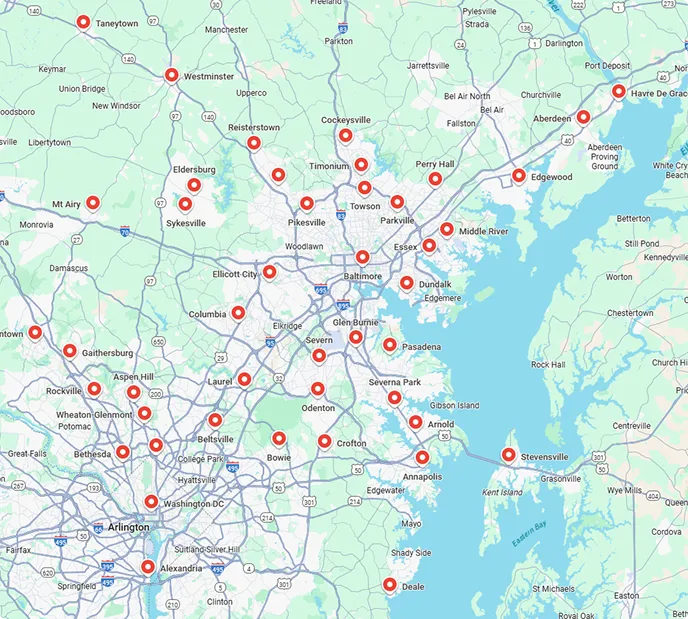
Service areas