



Furnace Repair in Lutherville-Timonium, MD
When your furnace fails in Lutherville-Timonium, MD, it affects comfort, safety, and daily life. Winters here bring cold, occasionally icy conditions and high humidity swings that put extra strain on heating systems. Whether you live in a newer subdivision or a vintage rowhome near the Baltimore County line, timely furnace repair from Tario HVAC keeps your home warm and reduces risks from carbon monoxide or unsafe operation. We explain common furnace faults in Lutherville-Timonium homes, a clear diagnostic and repair process, typical parts replacement, emergency response options, pricing transparency, technician qualifications and safety protocols, warranty coverage, and what to expect when scheduling a visit.
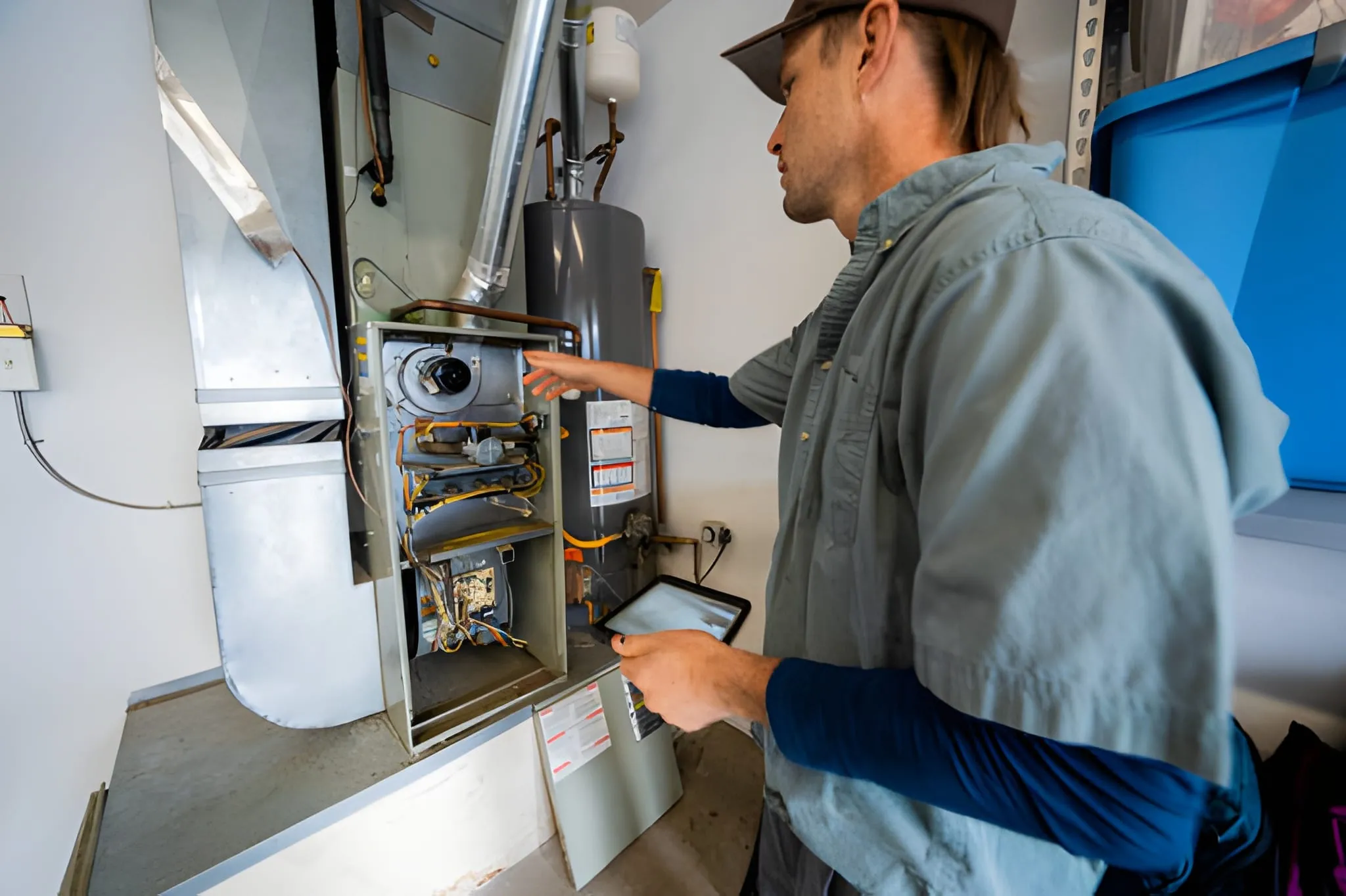
Furnace Repair in Lutherville-Timonium, MD
When your furnace fails in Lutherville-Timonium, MD, it affects comfort, safety, and daily life. Winters here bring cold, occasionally icy conditions and high humidity swings that put extra strain on heating systems. Whether you live in a newer subdivision or a vintage rowhome near the Baltimore County line, timely furnace repair keeps your home warm and reduces risks from carbon monoxide or unsafe operation.
Common furnace issues in Lutherville-Timonium, MD homes
Local climate and older plumbing and electrical systems can influence furnace performance. Typical problems include:
- No heat: Furnace runs but produces no warm air, or unit does not turn on.
- Short-cycling: Furnace turns on and off frequently, reducing efficiency and increasing wear.
- Ignition and pilot issues: Electronic ignitors or pilot lights failing to light or stay lit.
- Blower or airflow problems: Weak airflow, noisy blower motor, clogged filters or ducts.
- Unusual noises: Rattling, banging, or squealing indicating loose components or failing motors.
- High utility bills: Often due to inefficient combustion, dirty burners, or failing components.
- Safety concerns: Carbon monoxide leaks, cracked heat exchangers, or gas odor.
Step-by-step diagnostic and troubleshooting process
Diagnostics prioritize safety, accuracy, and transparency so you know exactly what needs repair.
Initial safety check
- Verify carbon monoxide detectors and immediate occupant safety.
- Confirm fuel/gas supply and electrical power to the unit.
System-level inspection
- Check thermostat settings and wiring.
- Inspect electrical disconnects, fuses, and breakers.
Operational observation
- Run a complete call for heat to observe startup sequence.
- Note ignition behavior, burner flame quality, blower response, and cycle timing.
Component testing
- Test ignition system (hot surface ignitor or pilot assembly), flame sensor, and gas valve.
- Measure voltages to control board, motors and capacitors.
- Inspect inducer motor, pressure switch and venting for combustion safety.
Airflow and distribution check
- Inspect filter condition, return and supply vents, duct leaks and blower wheel.
- Check thermostat calibration and airflow balance.
Safety-critical evaluations
- Visual and electronic inspection of heat exchanger for cracks.
- CO test of flue gases when combustion is involved.
Diagnosis report
- Provide an itemized explanation of findings, severity, and recommended repairs or replacements.
Typical repair procedures and parts replacement
Repairs focus on restoring safe, efficient operation. Common procedures:
- Ignition system repairs: Replace faulty hot surface ignitors or pilot assemblies and clean burners.
- Flame sensor and control board: Clean or replace flame sensors; repair or replace control boards when failed.
- Gas valve and pressure components: Replace failing gas valves, pressure switches, or inducer motors to restore proper combustion.
- Blower motor and drivetrain: Replace motors, capacitors, belts, or clean blower wheels to restore airflow.
- Heat exchanger issues: Small cracks may require replacement of the heat exchanger or full heat exchanger assembly depending on extent and safety findings.
- Duct and airflow fixes: Seal ducts, replace filters, and rebalance supply for even heating.
Parts commonly used include ignitors, flame sensors, control boards, gas valves, inducer motors, blowers, capacitors, belts, filters, and heat exchangers. Each recommended repair includes an explanation of cause, expected lifespan of the part, and any options like repair versus replacement.
Emergency and after-hours response
Cold snaps, loss of heat overnight, or suspected gas leaks require prompt attention. Emergency response protocols typically include an expedited diagnostic visit, immediate safety measures (shutting gas or power if needed), temporary fixes when possible, and clear documentation of required permanent repairs. Technicians prioritize situations with safety risks such as suspected carbon monoxide exposure or open gas leaks.
Estimates and pricing transparency
A clear estimate helps you make an informed decision. Expect:
- An itemized written estimate listing labor, parts, and taxes separately.
- Distinction between diagnostic fee and repair authorization.
- Options where applicable (repair vs replace) with estimated costs and benefits of each.
- Explanation of warranty implications for different options.
Pricing models vary by job complexity and municipal codes; transparent estimates note whether pricing is flat-rate or time-and-materials and detail any additional permits or safety testing fees.
Technician qualifications and safety protocols
Qualified technicians for furnace repair in Lutherville-Timonium, MD typically hold:
- HVAC certifications and state-required licenses where applicable.
- Factory training on common makes and models.
- EPA certification for handling refrigerants where relevant.
- Ongoing safety training for gas detection, combustion analysis, and electrical safety.
Standard safety protocols include locking out power and gas when working on equipment, using personal protective equipment, performing carbon monoxide testing before and after service, and following local code requirements for venting and combustion air.
Warranty and service guarantees
Reliable repair work includes clear warranty terms:
- Part warranties from manufacturers and labor warranties from the service provider.
- Written warranty terms provided with the repair estimate and on completion documentation.
- Scope of warranty, exclusions (abuse, lack of maintenance), and warranty duration clearly stated.
Scheduling a service visit and what to expect
When you schedule a repair visit, expect:
- Confirmation of appointment window and technician credentials.
- Diagnostic arrival with inspection checklist and safety assessment.
- A clear, written diagnosis and itemized estimate before authorization of repairs.
- Post-repair testing and safety verification, including heat-up cycle and CO checks.
- Documentation of work performed, parts installed, and warranty paperwork.
Routine care and prevention tips for Lutherville-Timonium homes
- Replace or clean filters every 1 to 3 months during heavy use.
- Keep vents and returns free of obstructions to maintain airflow.
- Schedule annual pre-season tune-ups to inspect burners, heat exchanger, and controls.
- Install and test carbon monoxide detectors on every level of the home.
- Address short-cycling and noises promptly to avoid more costly failures in cold weather.
Q: How long does a typical furnace repair visit take?
A: Most diagnostic visits take 45 to 90 minutes. Simple repairs can be completed in a single visit; more complex repairs or part-ordered replacements may require follow-up.
Q: Can a cracked heat exchanger be repaired or must it be replaced?
A: Cracked heat exchangers are a safety risk and commonly require replacement of the heat exchanger or the furnace, depending on age and cost-effectiveness.
Q: Is emergency service available during cold snaps?
A: Emergency service is commonly available; priority is given to safety-related issues like gas leaks and CO exposure. Expect expedited diagnostics and temporary safety measures if permanent repairs are delayed.

Service areas
