

Furnace Tune-Up in Baltimore, MD
An annual furnace tune-up by Tario HVAC in Baltimore, MD protects comfort, safety, and energy bills during cold months. A comprehensive tune-up goes beyond swapping a filter: it cleans and calibrates combustion components, verifies safety systems, measures efficiency, and identifies early signs of wear common in Baltimore homes. Proper seasonal maintenance reduces breakdown risk during winter, improves indoor air quality in older rowhouses, and helps systems run more efficiently in the region's humid, coastal climate.
-min.webp)
Furnace Tune-Up in Baltimore, MD
An annual furnace tune-up in Baltimore, MD protects comfort, safety, and energy bills during cold months. A comprehensive tune-up goes beyond swapping a filter: it cleans and calibrates combustion components, verifies safety systems, measures efficiency, and identifies early signs of wear common in Baltimore homes. Proper seasonal maintenance reduces breakdown risk during winter, improves indoor air quality in older rowhouses, and helps systems run more efficiently in the region's humid, coastal climate.
What a standard furnace tune-up package includes
A full furnace tune-up typically covers these tasks, performed in a systematic inspection and service routine:
- Visual inspection of heat exchanger, burners, ignition system, and flue for corrosion, cracks, or blockages
- Cleaning of burners, combustion chamber, and accessible coils to restore proper flame and heat transfer
- Filter inspection and replacement or recommendation of the correct filter type and MERV rating
- Testing and calibration of the thermostat and temperature sensors for accurate cycling
- Inspection and testing of safety controls: limit switch, flame sensor, pilot/ignition safety, and pressure switches
- Combustion analysis and carbon monoxide testing at start-up and steady state to confirm safe operation
- Inspection and cleaning of the condensate trap and drain lines for high-efficiency furnaces
- Lubrication of motors and bearings where applicable to reduce friction and noise
- Examination and basic sealing of accessible duct connections and return grills for airflow issues
- Adjustment of gas pressure and burner settings to optimize efficiency and flame quality
- Reporting of findings with prioritized repair recommendations and expected service duration
Why Baltimore homes need annual furnace tune-ups
Baltimore’s climate and housing stock create specific maintenance needs:
- Coastal humidity and seasonal temperature swings promote corrosion and condensate issues in combustion components and flue pipes.
- Many Baltimore houses are older rowhomes with aging duct runs and tighter mechanical clearances that accelerate wear.
- Urban air containing dust and pollutant particles can clog filters and burners faster than in suburban settings.
- Winter cold snaps increase demand on furnaces, making pre-season checks essential to avoid emergency failures.
Regular tune-ups address these regional stressors to maintain reliable heat delivery and safer operation.
Common furnace problems found during tune-ups in Baltimore
During tune-ups, technicians frequently encounter the following issues:
- Dirty burners or clogged pilot assemblies causing incomplete combustion and soot buildup
- Cracked heat exchangers caused by age and cyclic stress, a safety concern for CO leakage
- Weak or failing ignition systems and flame sensors leading to intermittent operation
- Restricted airflow from dirty filters, blocked returns, or leaky ducts reducing efficiency and comfort
- Improper burner adjustment or gas pressure resulting in yellow flames and higher fuel use
- Blocked flue or venting issues from bird nests, debris, or corrosion in older chimneys
- Moisture-related corrosion on components of high-efficiency condensing furnaces
Identifying these problems early reduces repair costs and safety risks.
The tune-up process and diagnostic tests
A professional tune-up follows a predictable sequence that balances inspection, cleaning, and testing:
- Initial inspection: Verify model, age, maintenance history, visible damage, and fuel type.
- Safety checks: Shut down power and fuel sources as needed, test safety interlocks and controls.
- Component cleaning: Remove and clean burners, accessible heat exchanger areas, flame sensors, and blower components.
- Airflow assessment: Check filter condition, measure static pressure if needed, and inspect duct connections.
- Combustion testing: Perform a combustion efficiency test and carbon monoxide check to confirm safe combustion and correct air-fuel ratio.
- Adjustments: Calibrate thermostat, set burner adjustments, and fine-tune blower speed or fan settings for balanced airflow.
- Final verification: Run the system through cycles to ensure proper start-up, heat delivery, and safe shut down.
- Service report: Document findings, maintenance performed, and recommended repairs or parts replacement.
Typical tune-up duration ranges from 60 to 90 minutes for most residential furnaces; older or problem systems may require additional time for diagnostics.
Performance and cost benefits of regular tune-ups
Annual furnace maintenance delivers measurable benefits:
- Improved fuel efficiency: A clean, well-adjusted furnace can use fuel more effectively, lowering utility expenses.
- Reduced emergency repairs: Preventive service finds issues before they cause system failure in cold weather.
- Longer equipment life: Proper lubrication, cleaning, and adjustments reduce wear on motors, burners, and heat exchangers.
- Better comfort: Calibrated thermostats and balanced airflow eliminate hot or cold spots common in older Baltimore homes.
- Enhanced safety: Combustion tests and CO monitoring reduce the risk of carbon monoxide exposure from combustion faults.
- Cleaner indoor air: Regular filter changes and cleaned blower assemblies reduce dust and particulate recirculation.
These outcomes generally offset the cost of annual maintenance through avoided repairs and improved efficiency.
Recommended frequency and what to expect during a visit
- Frequency: One comprehensive tune-up annually, ideally in early fall before the heating season starts. High-use systems or homes with indoor air quality concerns may benefit from semi-annual checks.
- What to expect: The technician will inspect and test the system as outlined, perform cleaning and adjustments, and provide a clear report on findings. If repairs or parts are needed, the report will prioritize safety issues versus efficiency upgrades and list typical next steps. No work beyond the agreed tune-up tasks should be performed without approval.
Simple maintenance tips between tune-ups
- Replace or clean filters every 1 to 3 months depending on system use and filter type.
- Keep intake and return vents clear of furniture and dust to maintain airflow.
- Maintain clearances around the furnace and flue termination points outside the home.
- Monitor for unusual odors, persistent soot, yellow flames, or a new pilot shutdown pattern and schedule evaluation if any appear.
- Install and routinely test CO detectors on each living level for added safety.
Q: How long does a typical furnace tune-up take?
A: Most residential tune-ups take 60 to 90 minutes; older or problem systems can take longer for full diagnostics.
Q: How often should a Baltimore home get a furnace tune-up?
A: Annual tune-ups before the heating season are recommended; homes with heavy use or air quality issues may need semi-annual service.
Q: Will a tune-up include carbon monoxide testing?
A: Yes, combustion analysis and carbon monoxide checks are standard parts of a full tune-up to verify safe operation.
Q: Can a tune-up improve my heating bills?
A: Proper cleaning and adjustment often improve fuel efficiency, which can reduce heating costs over the season.
Q: What signs indicate I need a tune-up now?
A: Frequent cycling, uneven heating, unusual odors, soot, yellow flames, or a sudden rise in fuel use are signs to schedule service.
Q: Are filter replacements included in a standard tune-up?
A: Filter inspection and recommendations are included; actual replacement policies vary but the filter should be replaced during any full maintenance if needed.

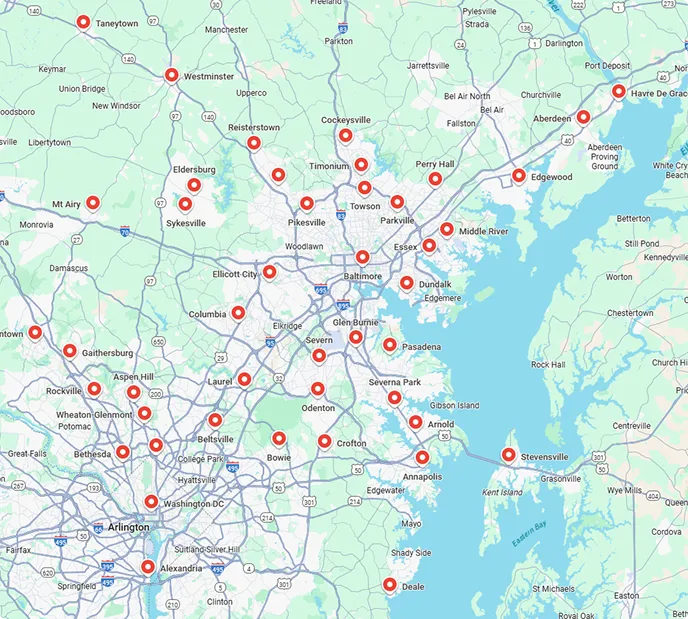
Service areas