

Furnace Replacement in Baltimore, MD
Replacing a furnace in Baltimore, MD is a major home investment that affects comfort, safety, and monthly energy costs. Baltimore homes face hot, humid summers and cold winters, which place seasonal stress on HVAC equipment and make reliable heating essential from late fall through early spring. Tario HVAC is here to explain when replacement is recommended instead of repair, how a thorough evaluation is performed, offer guidance on proper sizing and energy-efficient model selection, manage safe removal and disposal of old equipment, detail installation timelines, ensure permit and code compliance for the Baltimore area, provide rebate and financing pathways, help you understand cost factors to expect, and highlight the long-term benefits of a properly selected and installed furnace.
.jpeg)
Furnace Replacement in Baltimore, MD
Replacing a furnace in Baltimore, MD is a major home investment that affects comfort, safety, and monthly energy costs. Baltimore homes face hot, humid summers and cold winters, which place seasonal stress on HVAC equipment and make reliable heating essential from late fall through early spring.
Why choose replacement over repair
- Age: Furnaces older than their expected service life are more likely to fail and less likely to operate efficiently. In Baltimore, older systems often struggle to keep up during extended cold snaps.
- Repeated breakdowns: If repairs are frequent or repair costs add up close to the value of a replacement, replacement is typically the smarter long-term decision.
- Efficiency: Older furnaces have lower AFUE ratings and can drive higher heating bills. Upgrading to a high-efficiency model reduces fuel use and improves year-round comfort.
- Safety concerns: Cracked heat exchangers, persistent carbon monoxide alerts, or other safety-related failures warrant immediate replacement rather than repeated patch repairs.
- Comfort needs: If your home has uneven heating, chilly rooms, or you want quieter operation and better humidity control, replacement with a properly sized system often solves these problems.
Evaluation process: how professionals decide A professional furnace replacement evaluation looks at:
- System age and maintenance history: Reviewing service records and visual inspection.
- Efficiency rating: Comparing current AFUE to modern options to estimate savings.
- Repair history and cost-to-replace analysis: Assessing whether ongoing repairs justify replacement.
- Safety inspection: Checking for signs of corrosion, combustion leaks, or heat exchanger damage.
- Home load assessment: Determining heating demand based on home size, insulation, windows, and occupancy patterns.This structured evaluation produces a recommendation that balances immediate needs, long-term operating costs, and safety.
Sizing and selecting the right, energy-efficient model
- Proper sizing: A Manual J load calculation or equivalent should be performed to size the furnace correctly. Oversized units short-cycle and reduce comfort; undersized units struggle on the coldest Baltimore nights.
- Efficiency ratings: Look for higher AFUE ratings for gas furnaces; condensing technology achieves the best efficiencies. In cold winters, higher efficiency pays back through lower fuel consumption.
- Modulation and staging: Variable-speed blowers and two-stage or modulating burners improve comfort, reduce noise, and increase efficiency compared with single-stage units.
- Compatibility: Ensure the new furnace integrates with your existing ductwork, thermostat, and any planned zoning or air quality upgrades. Upgrading to a smart or programmable thermostat can maximize efficiency gains.
- Fuel type and ventilation: Consider fuel availability and cost in Baltimore (natural gas, propane, oil, or electric options) and ensure proper combustion air and venting arrangements.
Removal and safe disposal of old equipment
- Safe disconnection: Technicians will de-energize the system, shut off fuel supply, and disconnect electrical and gas lines safely.
- Environmental considerations: Furnaces contain metals and components that can be recycled; contractors should follow local regulations for disposal. Old oil tanks or contaminated parts may require special handling.
- Documentation: Proper paperwork for disposal and recycling is provided when required by local ordinances.
Installation timeline and what to expect
- Typical timeline: Most furnace replacements in single-family Baltimore homes are completed in one workday, with more complex tear-outs, duct modifications, or flue changes sometimes taking up to two days.
- Process steps: site preparation, removal of old unit, ductwork or venting adjustments, installation of new furnace, system startup, airflow balancing, combustion or safety testing, and final inspection-ready documentation.
- Cleanliness and safety: Expect floor protection, proper ventilation during work, and a post-installation safety and performance walkthrough.
Permit and code compliance in Baltimore
- Local permits and inspections: Furnace replacements generally require permits and inspection to meet Maryland and Baltimore City or county building codes. Permits ensure ventilation, combustion safety, venting, and electrical work meet code standards.
- Code items reviewed: Proper venting and flue connections, combustion air supply, fuel piping, carbon monoxide detector placement, and clearances are common inspection points.
- Documentation: Proper permits and inspection results protect homeowners and ensure insurance and future resale disclosures are in order.
Rebates, incentives, and financing options
- Available programs: Homeowners can often find utility or state rebates, federal tax incentives, and manufacturer promotions for high-efficiency equipment. Local energy-efficiency programs and utility-sponsored rebates in Maryland may apply to qualifying units.
- Financing choices: Many homeowners finance replacement through home improvement loans, energy efficiency programs, or financing offered by contractors or lenders. Financing can spread project costs while capturing long-term energy savings.
- How to evaluate offers: Compare incentive qualifications, required documentation, and the expected energy savings to determine program suitability.
Expected cost considerations (factors, not specific prices)
- Key cost drivers: Furnace capacity and efficiency level, fuel type, complexity of installation, necessary ductwork or venting modifications, permit and inspection fees, and any additional system upgrades such as zoning or indoor air quality improvements.
- Investment framing: Replacement is an investment that typically reduces future repair costs, improves safety, and lowers operating costs. Consider lifecycle savings and comfort improvements when evaluating options.
Long-term benefits for Baltimore homes
- Lower energy bills: High-efficiency furnaces use less fuel to produce the same heat, which matters during Baltimore winters and offsets higher upfront costs over time.
- Improved comfort and indoor air quality: Modern furnaces distribute heat more evenly, reduce drafts, and pair well with filtration and ventilation upgrades.
- Increased reliability and safety: New units reduce the risk of unexpected winter breakdowns and safety hazards related to aging equipment.
- Home value and resale appeal: A modern high-efficiency heating system is an attractive feature for buyers and can be a selling point in Baltimore’s competitive housing market.
Maintenance to protect your investment
- Annual tune-ups: Schedule professional inspections and cleanings before the heating season to maintain efficiency and safety.
- Regular filter changes: Replace filters on the manufacturer-recommended schedule to protect the blower and heat exchanger.
- Monitor performance: Note changes in noise, airflow, or odor and address them early to avoid larger repairs.
FAQs
Q: How do I know if my furnace must be replaced rather than repaired?
A: Frequent breakdowns, high repair costs, safety concerns (like heat exchanger cracks or carbon monoxide), and poor efficiency compared with modern units are common indicators that replacement is the better choice.
Q: Will a high-efficiency furnace work with my existing ductwork?
A: Many high-efficiency furnaces work with existing ducts, but an assessment is needed to confirm airflow, sealing, and sizing. In some cases, duct sealing or modifications improve performance and comfort.
Q: How long does a typical furnace installation take?
A: Most replacements are completed in one day; however, jobs that require extensive ductwork or venting changes may take up to two days.
Q: Do I need a permit for furnace replacement in Baltimore?
A: Yes, furnace replacements generally require local permits and inspections to meet Baltimore City or county codes, ensuring proper installation and safety compliance.
Q: Are rebates available for new high-efficiency furnaces?
A: Utility, state, and federal incentives often exist for qualifying high-efficiency equipment. Eligibility varies, so check current program requirements and documentation needs.

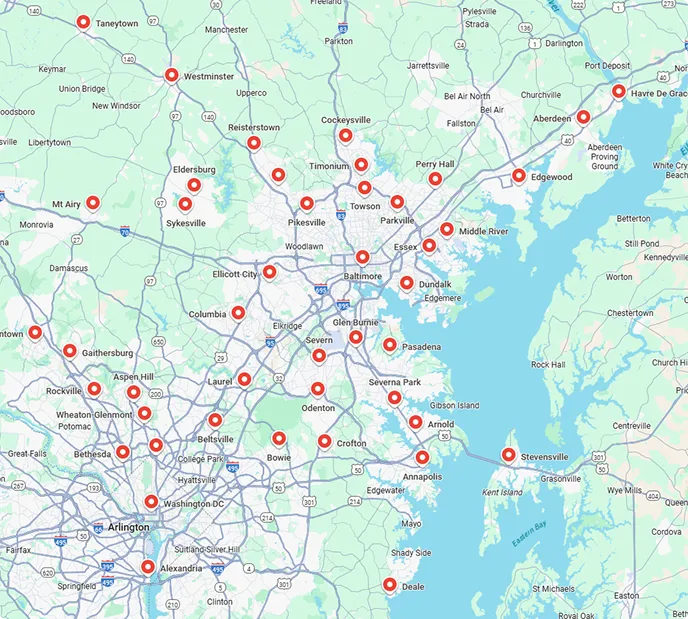
Service areas