



Furnace Maintenance in Baltimore, MD
Routine furnace maintenance from Tario HVAC keeps your home comfortable, lowers energy use, and prevents emergency breakdowns during the coldest Baltimore nights. For homeowners in Baltimore, MD, timely maintenance also reduces safety risks linked to gas combustion and aging equipment common in older rowhouses and mid-century homes. Tario HVAC explains exactly what our professional furnace maintenance covers, why it matters in Baltimore, common problems a tune-up finds, how diagnostics and repairs are handled, what our maintenance plans usually include, scheduling and reminder options, and realistic cost factors.
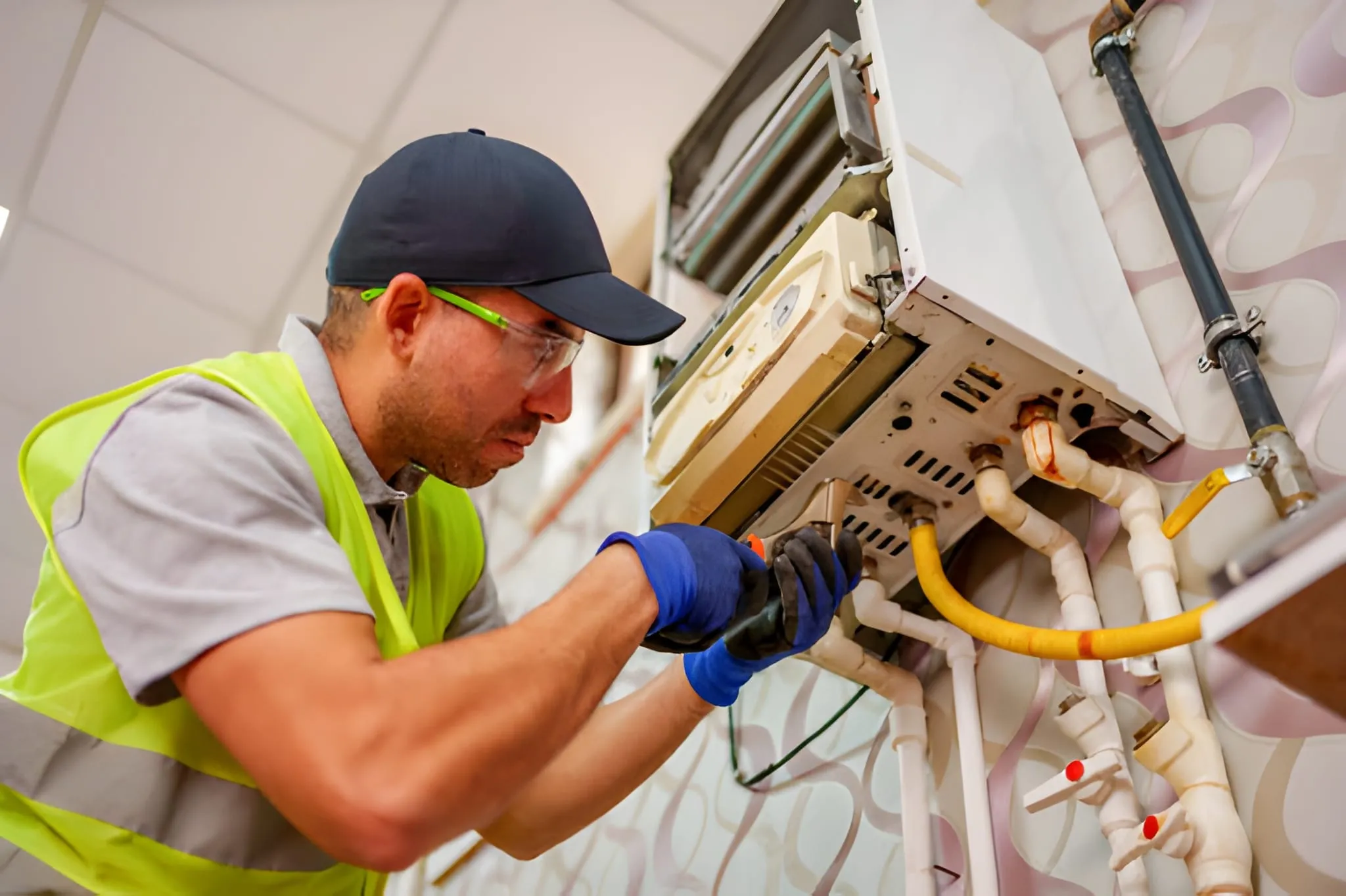
Furnace Maintenance in Baltimore, MD
Routine furnace maintenance keeps your home comfortable, lowers energy use, and prevents emergency breakdowns during the coldest Baltimore nights. For homeowners in Baltimore, MD, timely maintenance also reduces safety risks linked to gas combustion and aging equipment common in older rowhouses and mid century homes.
What a seasonal furnace maintenance visit includes
A full inspection and service visit typically covers these tasks to ensure safe, efficient operation:
- Filter inspection and replacement (or guidance on the correct filter type and replacement interval)
- Burner and heat exchanger inspection for proper combustion, soot buildup, and hairline cracks
- Flue and vent checks to confirm exhaust paths are clear and properly sealed
- Ignition and pilot system testing (hot surface igniters or pilot assembly checks)
- Blower, motor, and belt inspection and lubrication where applicable
- Safety control and limit switch checks to confirm proper shutoff under unsafe conditions
- Thermostat calibration and control testing
- Electrical connection tightening and system voltage checks
- Combustion analysis and CO screening to detect incomplete combustion or unsafe levels
- Visual inspection of ducts and registers for airflow restrictions or debris
Why Baltimore homes need regular furnace maintenance
Baltimore’s mix of older housing stock, coastal proximity, and seasonal temperature swings places unique demands on furnaces:
- Older furnaces and existing ductwork are more common and need closer monitoring for wear and leakage.
- Coastal humidity and salty air can accelerate corrosion in metal components, so burners, flues, and vents need regular checks.
- Rowhouses and attached homes may experience ventilation challenges and pressure imbalances that affect combustion and exhaust.
- Cold snaps during winter increase runtime, exposing neglected systems to strain and increasing failure risk.
Regular maintenance addresses these local stressors and helps your system perform reliably through the heating season.
Common furnace problems discovered during maintenance
Routine inspections commonly reveal issues at an early stage:
- Dirty or improperly sized filters causing reduced airflow and higher energy use
- Sooty burners or poor combustion leading to inefficient heating and potential CO hazards
- Cracked or corroded heat exchangers, a serious safety concern
- Blocked or disconnected flues and vents causing improper exhaust
- Faulty igniters, pilot assemblies, or gas valve problems preventing reliable starts
- Blower motor wear, squeals, or belts needing replacement
- Thermostat calibration drift or control board faults
Catching these early lowers repair complexity and helps avoid emergency service calls on the coldest days.
Diagnostic and service process — what to expect
A professional maintenance visit follows a methodical process to diagnose and correct issues:
- Initial system assessment — review system age, past service history, and homeowner observations.
- Safety first — perform gas leak checks and a carbon monoxide screening before powering up.
- Operational startup and observation — start the unit and watch ignition, burner flame, and cycling behavior.
- Combustion and flue evaluation — check flame quality, look for soot, and inspect the flue path for blockages or corrosion.
- Component checks and adjustments — examine the blower assembly, motors, belts, electrical connections, and lubricate moving parts as needed.
- Controls and thermostat calibration — verify accurate temperature control and proper sequencing.
- Documentation and recommendation — supply a detailed report on findings, recommended repairs or part replacements, and suggested follow-up intervals.
This structured approach balances safety checks with performance tuning so your furnace runs cleanly and efficiently.
Repairs and solutions explained in plain terms
Maintenance often resolves performance problems without major repairs: cleaning burners, replacing air filters, tightening electrical connections, and adjusting airflow. When repairs are required, technicians commonly replace controllable components like igniters, belts, motors, or sensors. More serious issues—such as a cracked heat exchanger or extensively corroded flue—are larger repairs that preserve safety and require discussion of long-term options. For high-efficiency condensing furnaces, maintenance can also include condensate drain cleaning and trap checks to prevent clogging and corrosion.
Maintenance plans and memberships
Maintenance plans typically bundle preventive visits and system tracking to reduce long-term costs and downtime. Common features include:
- Annual or biannual tune-ups scheduled before the heating season
- Priority scheduling during peak cold spells
- Service reminders by phone, email, or text
- Centralized service records to track past repairs and recommendations
- Preseason safety and efficiency inspections
Memberships help homeowners stay on a preventive schedule so small issues are fixed before they become emergencies.
Scheduling, reminders, and frequency
- A full furnace tune-up annually, scheduled before the heating season, is standard practice for Baltimore homes.
- Replace or inspect filters monthly to quarterly depending on filter type, pets, and indoor air quality needs.
- Consider a mid-season check if your furnace runs heavily or if you notice performance changes.
- Smart thermostats and calendar reminders help keep filter changes and service visits on track.
Cost expectations (what influences price)
Repair and maintenance costs vary depending on several factors rather than a single fixed price:
- Furnace type and efficiency level (standard gas, high-efficiency condensing, or oil-fired)
- Age and current condition of the unit
- Extent of parts replacement required (routine parts versus major components)
- Accessibility of the unit (tight closets, crawl spaces, or rooftop installations)
- Membership benefits that may reduce out-of-pocket expense for routine visits or parts
Routine maintenance typically reduces the likelihood of high-cost emergency repairs and extends equipment life.
Practical tips to extend furnace life in Baltimore
- Change or clean filters regularly and ensure return vents are unobstructed.
- Keep the area around the furnace free of debris and stored items to allow proper airflow and service access.
- Install and maintain carbon monoxide detectors on each level of your home.
- Schedule an annual preseason tune-up and consider a maintenance plan to automate reminders.
- Address unusual sounds, odor, or cycling behavior promptly to prevent escalation.
Q: How often should a furnace be serviced in Baltimore?
A: Annual preseason maintenance is standard; filters should be checked monthly and replaced as needed based on type and household conditions.
Q: Will a tune-up lower my heating bills?
A: Yes. Cleaning, calibration, and airflow corrections improve efficiency and can lower energy use compared with an unmaintained unit.
Q: What are the signs of a cracked heat exchanger?
A: Common signs include persistent soot, rust, unusual odors, repeated burner cycling, and elevated CO readings; this is a serious issue that requires professional evaluation.
Q: Does maintenance include carbon monoxide testing?
A: A thorough maintenance visit includes combustion checks and CO screening to ensure safe operation.
Q: Are maintenance plans worth it for older homes in Baltimore?
A: For older homes or systems, maintenance plans reduce the risk of unexpected breakdowns and help prioritize safety and efficiency with scheduled inspections.
Q: How long does a typical furnace tune-up take?
A: Most comprehensive tune-ups take between 45 minutes and 90 minutes depending on equipment condition and any additional diagnostics needed.

Service areas
