

Furnace Service in Germantown, MD
Keeping your home warm and safe through Maryland winters starts with reliable, professional furnace service. Whether you need a seasonal inspection, fast emergency repair, or a full replacement, Tario HVAC explains the full range of furnace services available to Germantown, MD homeowners, how the process works, what to expect from our technicians, and the transparent policies that protect you during and after service.
.webp)
Furnace Service in Germantown, MD
Keeping your home warm and safe through Maryland winters starts with reliable, professional furnace service. Whether you need a seasonal inspection, fast emergency repair, or a full replacement, our overview explains the full range of furnace services available to Germantown, MD homeowners, how the process works, what to expect from technicians, and the transparent policies that protect you during and after service.
Why timely furnace service matters in Germantown, MD
Germantown experiences cold winters and occasional extreme cold snaps. A poorly maintained or malfunctioning furnace can mean higher energy bills, uneven heating across rooms, early equipment failure, and safety risks such as carbon monoxide exposure. Regular inspections and prompt repairs maximize efficiency, extend furnace life, and protect family safety—especially important in Montgomery County homes with forced-air systems common in local residential construction.
Common furnace issues in Germantown, MD
- No heat or intermittent heating: Often caused by thermostat faults, broken burners, or pilot/ignition problems.
- Short cycling: Furnace turns on and off frequently due to clogged filters, improper airflow, or oversized/undersized units.
- Strange noises: Rattling, banging, or squealing point to loose components, blower motor issues, or belt wear.
- High utility bills: Reduced efficiency from dirty heat exchangers, failing burners, or inadequate insulation.
- Yellow pilot light or smell of gas: Signs of combustion issues or gas leaks that require immediate attention.
- Frequent cycling of safety switches: Could indicate blocked vents, overheating, or electrical faults.
Full range of furnace services provided
- Inspections and tune-ups: Comprehensive seasonal checks to clean burners, inspect heat exchangers, test safety controls, check thermostats, and verify airflow.
- Diagnostics: Systematic troubleshooting using meters and combustion analyzers to pinpoint root causes of failures.
- Repairs: Component-level repair or replacement for ignition systems, blowers, gas valves, motors, control boards, and more.
- Preventive maintenance plans: Scheduled service visits to maintain peak efficiency, reduce breakdown risk, and preserve warranty eligibility.
- Installations and replacements: Full removal and replacement of old furnaces with high-efficiency models sized for your home, including duct evaluation.
- Emergency calls: Rapid response for dangerous conditions such as suspected gas leaks, loss of heat during extreme weather, or carbon monoxide alarms.
What the diagnostic and service process looks like
- Initial intake and history: Technician reviews symptoms, performance history, and any previous service records.
- On-site inspection: Visual and instrumental checks of the furnace, ductwork, venting, thermostat, and combustion components.
- Testing and measurement: Combustion analysis, airflow measurement, electrical checks, and safety-device testing to confirm issues.
- Transparent estimate: Itemized findings with options for repair, replacement, or short-term fixes. Diagnostic fees are explained and typically applied to repairs.
- Repair or installation: Work performed to industry standards, followed by system tuning and safety verification.
- Post-service validation: Final safety tests, efficiency checks, and a clear summary of work performed and recommendations.
Technician qualifications and safety protocols
- Certifications and licensing: Technicians are trained to industry standards and familiar with local codes in Montgomery County. Certifications such as NATE or equivalent technical training are common for professional furnace work.
- Background checks and ongoing training: Regular safety and technical training ensures technicians use current best practices for combustion safety, electrical handling, and equipment installation.
- Safety protocols on site: Gas leak detection, carbon monoxide testing, combustion-air verification, lockout/tagout for electrical components, and proper ventilation practices. Technicians use personal protective equipment and follow safe handling for refrigerants and other materials where applicable.
- Permit and code compliance: Installations and major alterations account for local permit requirements and building codes that affect venting, clearances, and fuel connections.
Transparent pricing and warranty practices
- Itemized estimates: Clear breakdown of labor, parts, and any diagnostic fees before work begins so you understand costs and options.
- Repair vs replacement guidance: Objective comparisons showing estimated remaining life, efficiency gains, and payback considerations for replacement.
- Diagnostic fee policies: Diagnostics are explained upfront and may be credited toward repairs if work is authorized.
- Parts and labor warranties: Written warranty details for parts and labor after service or installation, with terms and duration disclosed before work is performed.
- Maintenance plan benefits: Service agreements often include prioritized scheduling, discount on repairs, and documentation useful for preserving manufacturer warranties.
Support and emergency response
- After-service documentation: A clear service summary describes the problem, steps taken, parts installed, and follow-up recommendations for records and future maintenance.
- Emergency availability: Emergency furnace service options are available for situations that threaten safety or cause loss of heat during dangerously cold conditions.
- Follow-up and ongoing care: Recommendations for filter changes, thermostat calibration, and seasonal checks that keep equipment running efficiently through Germantown winters.
Maintenance tips for Germantown homes
- Replace or clean furnace filters every 1 to 3 months during heavy use to prevent airflow restrictions.
- Keep vents and returns unblocked by furniture during winter to maintain balanced airflow.
- Schedule an annual inspection in fall before peak heating season to reduce the chance of service interruptions.
- Monitor for signs of combustion problems such as soot buildup, yellow pilot lights, or unexplained odors and act quickly if they occur.
Q: How often should I schedule furnace maintenance in Germantown, MD?
A: Annual inspections and tune-ups are recommended each fall, with more frequent filter checks during heavy use months.
Q: What should I expect during a furnace inspection?
A: An inspection includes cleaning burners, checking the heat exchanger, testing safety controls, verifying airflow and thermostat operation, and combustion testing when applicable.
Q: Are emergency furnace services available during extreme cold in Germantown?
A: Emergency responses are available for safety risks and loss of heat, with technicians trained to address gas leaks, carbon monoxide concerns, and system failures.
Q: Will a diagnostic fee be applied to repairs?
A: Diagnostic fees are disclosed before service and commonly applied toward the total cost if repair work is authorized.
Q: How do I know if I need a repair or a full furnace replacement?
A: Technicians evaluate age, efficiency, repair history, and safety to recommend repair or replacement, providing a clear cost-benefit comparison.

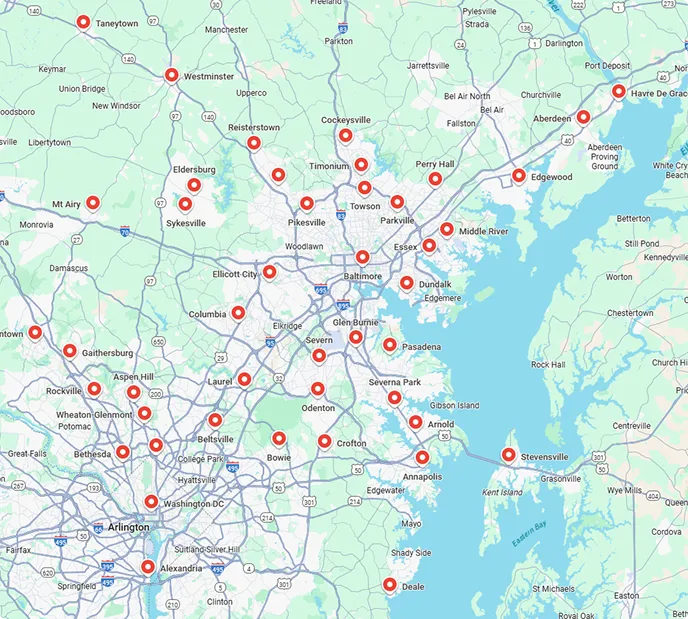
Service areas