

Furnace Maintenance in Germantown, MD
Keeping your furnace running safely and efficiently matters in Germantown, MD, where cold winters and frequent temperature swings put heavy demand on heating systems. Regular furnace maintenance from Tario HVAC reduces breakdowns during cold snaps, lowers energy costs, and extends equipment life — all critical concerns for homeowners and landlords in Montgomery County. We'll explain what a comprehensive furnace tune‑up includes, common issues we see in local homes, maintenance agreement options, and practical scheduling guidance so you can make an informed decision about care for your heating system.

Furnace Maintenance in Germantown, MD
Keeping your furnace running safely and efficiently matters in Germantown, MD, where cold winters and frequent temperature swings put heavy demand on heating systems. Regular furnace maintenance reduces breakdowns during cold snaps, lowers energy costs, and extends equipment life — all critical concerns for homeowners and landlords in Montgomery County. This page explains what a comprehensive furnace tune‑up includes, common issues we see in local homes, maintenance agreement options, and practical scheduling guidance so you can make an informed decision about care for your heating system.
Why furnace maintenance matters in Germantown homes
Germantown experiences cold winters with occasional subfreezing stretches and humid summers that can stress HVAC systems when switching between air conditioning and heat. Furnaces that go unmaintained face:
- Reduced efficiency from dirt and clogged filters, raising fuel costs.
- Increased risk of failures on the coldest nights when repair help is in high demand.
- Safety risks from cracked heat exchangers, blocked flues, or malfunctioning ignition systems.Timely maintenance addresses these issues before they escalate, helping your system perform reliably through the season.
Common furnace problems in Germantown and how maintenance prevents them
- Dirty or clogged filters causing weak airflow and uneven heating.
- Sooty burners or misaligned flame leading to incomplete combustion and higher fuel use.
- Worn blower motors or belts that produce noise and reduce airflow.
- Thermostat drift that causes short cycling or inaccurate temperature control.
- Blocked vents or flues from debris or animal nests, creating backdraft and safety hazards.Routine tune‑ups identify and correct these problems early, reducing emergency repair needs.
What a comprehensive furnace tune‑up includes
A proper seasonal inspection and tune‑up covers safety, cleaning, calibration, and performance checks. Typical tasks include:
- Filter inspection and replacement (or recommendation of filter type and schedule)
- Burner and combustion area cleaning to ensure complete fuel burn
- Safety checks: heat exchanger inspection, venting and flue condition, flame sensor cleaning, and ignition system test
- Carbon monoxide risk assessment and verification of proper ventilation
- Blower assembly inspection, lubrication (if applicable), belt and motor checks, and airflow testing
- Thermostat calibration and verification of control sequence
- Electrical connection tightening and control diagnostics
- System performance check: start/stop cycles, temperature rise, and efficiency indicatorsThese steps are performed with industry best practices to restore safe, efficient operation.
Diagnostic details: what technicians look for
Technicians begin with visual and operational inspections, then move to targeted diagnostics:
- Visual inspection of burners, heat exchanger, venting, and filter path for corrosion, cracks, or obstructions.
- Combustion and flame pattern assessment to spot improper fuel mixture or burner issues.
- Electrical system checks including control board function and safety limits.
- Airflow measurement and static pressure evaluation when needed to identify duct or blower problems.
- Thermostat and control verification to ensure accurate communication between the thermostat and furnace.Findings are explained in plain language, with prioritized recommendations for repairs or replacements as needed.
Maintenance agreement options (what to expect)
Maintenance programs are structured to match different homeowner needs. Common plan structures include:
- Basic Plan: Annual pre‑season inspection and filter replacement recommendations with a written checklist of performed tasks.
- Comprehensive Plan: All Basic services plus seasonal tune‑ups (fall and spring), priority scheduling windows, and safety testing including CO risk assessment.
- Premium Membership: Comprehensive services plus mid‑season visual checks, waived diagnostic fees for covered repairs, and annual performance reports documenting efficiency improvements.Each plan focuses on preventive care, consistent scheduling, and documentation so you can track service history and equipment condition without surprises.
Benefits of regular furnace maintenance
- Improved efficiency: Clean burners and properly adjusted systems use less fuel and reduce monthly heating costs.
- Greater reliability: Preventive repairs reduce the chance of breakdowns during cold weather.
- Longer equipment life: Routine lubrication, cleaning, and part adjustments slow wear and delay costly early replacements.
- Enhanced safety: Early detection of cracked heat exchangers, venting problems, and ignition issues protects families from carbon monoxide or fire hazards.
- Consistent comfort: Proper airflow and calibrated thermostats deliver more even home temperatures.
Scheduling guidance for Germantown residents
- Best time for a full furnace tune‑up: late summer to early fall (September to October) before heavy heating demands begin. Scheduling early helps avoid peak-season delays.
- Off‑season checks: A spring inspection can catch issues from winter operation and prepare the system for the next cycle.
- Emergency signs that indicate immediate service: unusual odors (especially metallic or rotten-egg smell in gas systems), soot buildup, yellow or flickering pilot lights (for older systems), persistent uneven heating, or sudden spikes in energy use.Expect a thorough tune‑up to take about 45 to 90 minutes depending on the system age and condition. Frequency is typically once a year for most households; homes with high use, pets, or dust may benefit from semiannual checks.
Homeowner maintenance checklist between service visits
- Replace or clean filters every 1 to 3 months depending on filter type and household conditions.
- Keep vents and returns unobstructed by furniture, draperies, or storage.
- Maintain clear space around the furnace for proper airflow and safe access.
- Test carbon monoxide detectors monthly and replace batteries as needed.
- Note any unusual sounds, odors, or comfort changes and document dates to share with a technician.
Final considerations
Routine furnace maintenance protects comfort, budget, and safety in Germantown homes. Choosing a maintenance program that fits your home usage and system age provides predictable care and documented safety checks, which is particularly valuable with the region's variable winters. Regular service is a practical investment that pays back through lower energy use, fewer interruptions, and extended equipment life.
FAQs
Q: How often should I schedule furnace maintenance?
A: Annual pre‑season maintenance is standard; homes with heavy use, pets, or poor indoor air may benefit from twice‑yearly checks.
Q: What signs mean I should book service right away?
A: Immediate service is warranted for unusual odors, yellow or unstable pilot/flame, loud banging or grinding noises, uneven heating, or a sudden rise in fuel costs.
Q: Will a tune‑up improve my heating bills?
A: Yes. Cleaning, adjusting, and calibrating the system reduces wasted fuel and can improve efficiency noticeably, especially if the system was neglected.
Q: Does maintenance include a carbon monoxide safety check?
A: Comprehensive tune‑ups normally include assessments of combustion safety, venting, and recommendations for CO detector placement; specialized testing can be performed if needed.
Q: What is inspected on the heat exchanger?
A: Technicians visually inspect for signs of corrosion, cracks, or soot patterns that indicate potential leakage; if further testing is required, they will recommend appropriate next steps.

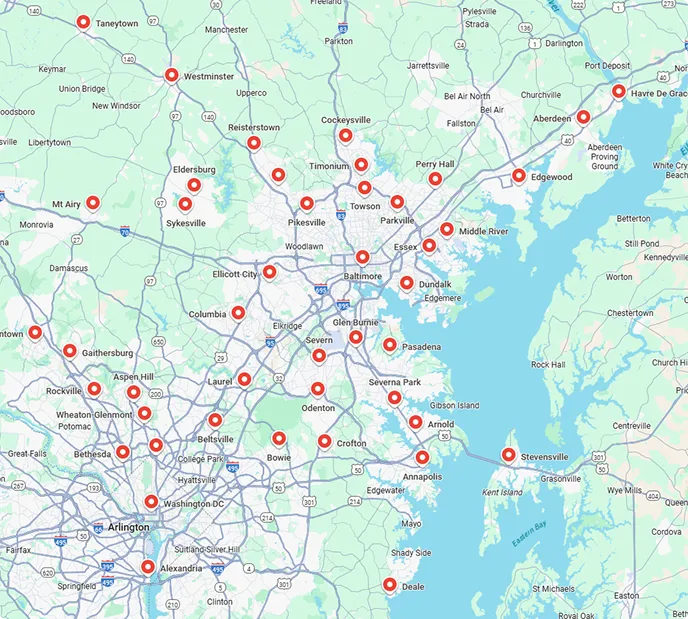
Service areas