



Furnace Repair in Germantown, MD
A reliable furnace is essential in Germantown, MD, where cold winters and variable shoulder seasons put heavy demand on home heating. When systems fail, Tario HVAC provides furnace repair that addresses safety risks, comfort loss, and rising energy use. You'll learn about common furnace problems seen in Germantown homes, how our technicians diagnose and repair them, typical parts replaced, expected repair timelines, warranty considerations, emergency response expectations, and what to prepare when scheduling a service call.
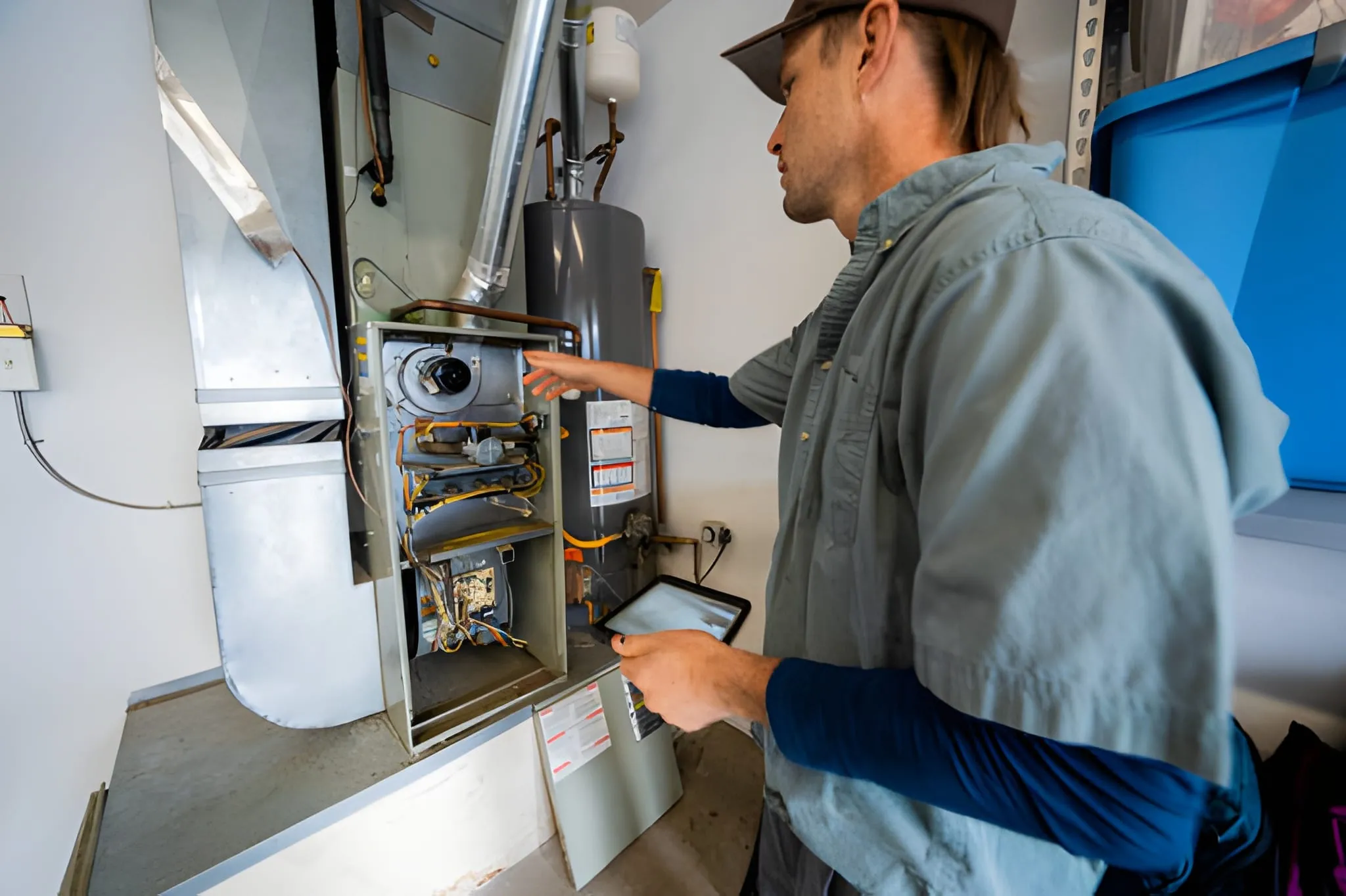
Furnace Repair in Germantown, MD
A reliable furnace is essential in Germantown, MD, where cold winters and variable shoulder seasons put heavy demand on home heating. Furnace repair addresses safety risks, comfort loss, and rising energy use when systems fail.
Common furnace failure symptoms in Germantown homes
Homeowners in Germantown often see the same set of signs when a furnace needs repair. Recognizing these early reduces risk and repair scope.
- No heat or intermittent heat — Furnace cycles but produces little or no warm air. Common in aging systems or after prolonged use.
- Strange noises — Rattling, banging, squealing, or humming can indicate loose components, motor/bearing wear, or pressure issues.
- Pilot light or ignition problems — Standing pilot outages or electronic ignition failures prevent the furnace from firing.
- Short cycling — Furnace turns on and off frequently, often caused by airflow restrictions, failing controls, or an oversized unit.
- Weak airflow — Warm air is present but output is low due to blower issues, clogged filters, or duct restrictions.
- Unusual smells or gas odor — Must be treated as an immediate safety concern. A rotten-egg smell can signal a gas leak.
- Frequent cycling of the thermostat — Can suggest control board or sensor problems.
Diagnostic process: what technicians inspect
Accurate diagnostics prevent unnecessary parts replacement. Typical diagnostic steps used in Germantown include:
- Visual and safety inspection — Check pilot/ignition, burners, heat exchanger for obvious damage, and look for signs of soot or corrosion.
- Thermostat and control checks — Verify thermostat settings, wiring, and control-board signals.
- Ignition and flame sensing tests — Evaluate igniter operation and flame sensor sensitivity.
- Electrical testing — Check voltage to motors, transformers, and relays; test capacitors and contactors.
- Blower and airflow assessment — Measure airflow, inspect blower motor and fan, and verify return/return filter condition.
- Combustion and venting inspection — Ensure proper combustion and exhaust venting; important in high-efficiency systems common in newer Germantown builds.
- Gas pressure and leak checks — Inspect gas lines and valves for integrity and safe operation.
Diagnostics commonly take 30 minutes to 90 minutes depending on system complexity and accessibility.
Typical parts replaced and why
Common replacement parts address the most frequent failure points in furnaces:
- Igniters and flame sensors — Wear over time and fail to initiate or detect combustion.
- Thermostats and control boards — Electronic failures lead to intermittent or complete loss of function.
- Blower motors and belts — Motor bearings wear, or belts slip, reducing airflow.
- Gas valves — Fail to open or close reliably, disrupting fuel flow.
- Limit switches and pressure switches — Safety devices that can fail and cause shutdowns.
- Heat exchangers — Rare but critical; cracks create safety hazards and require careful inspection.
- Filters and condensate components — Clogged filters and blocked drains reduce performance and can trigger shutdowns.
Parts selection varies with furnace age and model. High-efficiency furnaces in Germantown may use specialized components that require longer lead times.
Repair timelines and what affects them
Repair duration depends on symptom severity, part availability, and whether follow-up work is needed.
- Diagnostics — 30 to 90 minutes.
- Minor repairs (igniter, sensor, thermostat, filter, capacitor) — Often completed within 1 to 3 hours.
- Moderate repairs (blower motor replacement, control board replacement) — Typically require 2 to 4 hours and may need replacement parts ordered.
- Major repairs (heat exchanger replacement, extensive ductwork, or complicated gas valve issues) — Can take a full day or require several appointments if parts must be ordered.
Local factors in Germantown, such as winter demand spikes or supply-chain delays, can affect parts availability and scheduling lead times.
Warranty and parts information
Understanding warranties helps set expectations and preserve coverage:
- Manufacturer warranties — Many furnace components are covered by the original manufacturer warranty for a defined period (varies by model and age). Warranty coverage often applies to parts but not labor.
- Parts warranties from vendors — Aftermarket parts usually carry limited warranties; durations vary by manufacturer.
- Labor warranties — Service providers commonly offer limited labor guarantees on repairs for a specific period (ranges differ across providers).
- Documentation — Keep model numbers, purchase documentation, and any prior repair records to support warranty claims.
Confirm warranty terms before accepting repairs for major components, and retain receipts and service reports for future claims.
Emergency response and safety priorities
In Germantown, emergency furnace repair may be needed during cold snaps or when safety risks are present. Situations that typically qualify as emergencies:
- No heating during freezing conditions — Risk of frozen pipes and unsafe indoor conditions.
- Strong gas odor or suspected gas leak — Requires immediate evacuation and utility notification.
- Carbon monoxide concerns — Symptoms such as headaches or nausea, or a CO alarm sounding, demand immediate attention and ventilating the home.
Emergency response protocols usually prioritize safety: isolate gas supply if safe, ventilate the area, and assess for carbon monoxide. Many service providers maintain after-hours or prioritized emergency schedules during winter months; availability can vary.
How to schedule a service call
Scheduling a furnace repair visit generally follows a simple sequence. Prepare basic information ahead of time to speed up the process:
- Have your furnace model, age, and a clear description of symptoms available.
- Note when the issue started and any unusual sounds, smells, or patterns.
- Expect to provide availability windows; emergency situations may allow same-day response during peak cold weather periods.
- Confirm whether warranties exist for parts or labor and have documentation on hand if applicable.
Service teams typically confirm appointment windows and supply instructions for safety steps to take before arrival. For emergencies, providers often offer an escalation path to prioritize on-call technicians.
Benefits of timely furnace repair and maintenance
Addressing furnace problems promptly restores comfort, reduces operating costs, and prevents safety hazards. Key benefits specific to Germantown homes include:
- Restoring reliable heat during cold spells to avoid pipe freeze and property damage.
- Improving energy efficiency to offset increased winter heating demand.
- Reducing the chance of premature component failure due to cascading faults.
- Ensuring safe combustion and preventing carbon monoxide exposure.
Routine seasonal maintenance reduces emergency repairs and extends the system’s usable life.
Q: How long will a typical furnace repair appointment take?
A: Diagnostic visits usually take 30 to 90 minutes; small repairs may be resolved in a few hours while major replacements can require a full day or multiple visits.
Q: What signs indicate a furnace issue is an emergency?
A: No heat during freezing conditions, a strong gas smell, or carbon monoxide alarms are immediate safety concerns that warrant emergency attention.
Q: Will replacement parts be covered by warranty?
A: Parts coverage depends on the original manufacturer warranty and any extended warranties; labor coverage is separate and varies by service provider.
Q: What information should I have ready when scheduling a furnace repair?
A: Furnaces’ make/model, age, a clear description of symptoms, and any warranty paperwork help technicians prepare for the visit.
Q: Can diagnostic testing identify carbon monoxide leaks?
A: Technicians perform combustion and venting inspections and use detectors to identify elevated carbon monoxide levels; suspected CO requires immediate action and evacuation if levels are unsafe.

Service areas
