

Furnace Replacement in Germantown, MD
Replacing an aging or failing furnace is one of the most effective ways to improve winter comfort, lower heating bills, and reduce your carbon footprint in Germantown, MD homes. With cold snaps in winter and high humidity in shoulder seasons, a properly sized, high-efficiency furnace paired with well-sealed ductwork makes a measurable difference in comfort and operating costs. Tario HVAC can show you when replacement is recommended, how our professionals assess your system, how to choose the right energy-efficient model and size, what the removal and installation process looks like, financing options, brands and warranties to consider, and realistic energy savings you can expect.
.webp)
Furnace Replacement in Germantown, MD
Replacing an aging or failing furnace is one of the most effective ways to improve winter comfort, lower heating bills, and reduce carbon footprint in Germantown, MD homes. With cold snaps in winter and high humidity in shoulder seasons, a properly sized, high-efficiency furnace paired with well-sealed ductwork makes a measurable difference in comfort and operating costs. This page explains when replacement is recommended, how professionals assess your system, how to choose the right energy-efficient model and size, what the removal and installation process looks like, financing options, brands and warranties to consider, and realistic energy savings you can expect.
When furnace replacement is recommended
- Age: Most gas furnaces older than 15 to 20 years are good candidates for replacement because efficiency and reliability decline with age.
- Frequent repairs: Recurring breakdowns or escalating repair costs often make replacement more economical than continued fixes.
- Rising energy bills: A steady increase in heating costs despite regular service indicates declining efficiency.
- Uneven heating or poor airflow: Problems that persist after duct repairs can signal that the furnace itself is undersized or failing.
- Safety concerns: Cracked heat exchanger, persistent carbon monoxide indicators, or unsafe combustion issues require immediate attention and often lead to replacement.
- Modern comfort needs: If you want zoned heating, improved indoor air control, or a quieter system, upgrading to a newer model is sensible.
How technicians assess system age and efficiency
Technicians evaluate multiple factors to determine whether replacement is the best option:
- System age and service history.
- Measured efficiency, typically through the furnace’s AFUE rating and observed operating behavior. New high-efficiency gas furnaces commonly exceed 90 to 97 AFUE.
- Visual inspection for corrosion, cracked heat exchangers, or worn components.
- Heating performance checks including airflow, ignition cycles, and temperature rise across the heat exchanger.
- Ductwork condition and sizing. If ducts are leaky, undersized, or poorly insulated, replacing the furnace alone may not solve comfort problems.
Selecting energy-efficient models and proper sizing
Choosing the right furnace involves more than selecting the highest AFUE. Key considerations:
- AFUE rating: Higher AFUE improves fuel-to-heat conversion. In Germantown’s climate, 90%+ units offer noticeably better winter efficiency.
- Modulating and two-stage burners: These provide steadier heat and better comfort than single-stage units by adjusting output to demand.
- Variable-speed blower motors (ECM): Improve comfort, reduce noise, and increase energy savings by matching airflow to load.
- Sizing via Manual J load calculation: Proper sizing prevents short-cycling, reduces energy waste, and avoids comfort problems. Oversized furnaces can cause humidity and comfort issues; undersized units cannot meet heating loads during cold spells.
- Consider hybrid systems: High-efficiency heat pumps paired with a gas furnace (dual fuel) can optimize energy use across seasons.
- Venting and combustion type: Ensure your home’s venting and combustion air are compatible with high-efficiency condensing furnaces.
Removal of the old unit and installation process
A professional replacement follows clear steps to ensure safety, performance, and code compliance:
- Pre-install assessment and load calculation.
- Obtain required permits and schedule inspections if local codes require them.
- Disconnect utilities - gas, electric, and fuel lines - and remove the old furnace safely. Hazardous material handling and proper disposal are part of the process.
- Inspect and, if needed, repair or upgrade flue, venting, condensate drains, and gas piping. High-efficiency condensing furnaces require PVC venting and proper condensate handling.
- Install the new furnace, connect systems, and integrate controls or thermostats. Seal and insulate duct connections to reduce leakage.
- Commissioning and testing: combustion analysis, CO testing, airflow measurement, safety control checks, and programming thermostats.
- Final inspection and documentation of performance and warranty registration.
Typical project timeframe ranges from one to a few days depending on the complexity, ductwork changes, or permit turnaround.
Estimated project costs and financing options
Project cost depends on system efficiency, capacity, venting needs, ductwork condition, and required upgrades. Rather than listing prices, consider these cost drivers:
- Efficiency level and equipment features such as modulating burners or variable-speed blowers.
- Extent of ductwork repair, insulation, or sizing changes.
- Need for new venting, gas line upgrades, or electrical modifications.
- Additional features like zoning or an upgraded thermostat.
Financing options commonly available:
- Contractor or manufacturer financing plans with fixed monthly payments.
- Home improvement loans, personal loans, or lines of credit.
- Home equity or home improvement financing for homeowners with equity.
- Utility rebates or state/local energy efficiency programs and tax incentives; these can lower net project cost.
- Energy efficiency loan programs and PACE financing where available.
Ask your installer about documentation needed to apply for local rebates and financing programs.
Brands and warranties
Reputable furnace brands commonly installed in the region include Carrier, Trane, Lennox, Goodman, Rheem, Bryant, and American Standard. When comparing brands and models, evaluate:
- Manufacturer warranty coverage for parts and heat exchanger, and whether extended warranties are available.
- Availability of local service and authorized technicians for warranty repairs.
- Proven reliability for your climate and fuel type.
Warranties often include limited parts warranties and longer coverage for heat exchanger components. Register new equipment promptly to ensure warranty protections.
Expected energy savings and long-term benefits
Replacing an older furnace with a modern high-efficiency model typically reduces fuel use by a significant percentage, especially if your existing unit has a low AFUE. Savings depend on current system efficiency, usage patterns, and whether duct losses are addressed. Additional benefits include:
- More consistent indoor temperatures and improved humidity control.
- Reduced repair costs and fewer emergency breakdowns.
- Lower noise levels and improved indoor air quality when paired with proper filtration and duct sealing.
- Increased home value and appeal to energy-conscious buyers.
Maintenance and extending system life
Timely maintenance preserves efficiency and warranty coverage. Key tasks include annual tune-ups, filter replacement, combustion safety checks, and periodic duct inspections. Addressing small issues early helps avoid premature replacement.
Q: How do I know if my furnace needs replacement now or just repairs?
A: If your furnace is older than 15 years, requires frequent repairs, shows declining efficiency, or has safety concerns like a cracked heat exchanger, replacement is often the more cost-effective choice. A professional assessment including a load calculation will clarify the best path.
Q: Will a new high-efficiency furnace work with my existing ducts?
A: It depends. Technicians will inspect ducts for leakage, insulation, and sizing. Minor duct sealing and balancing are common; substantial duct resizing may be needed if airflow is inadequate.
Q: Are there incentives for upgrading to an energy-efficient furnace in Germantown, MD?
A: Utility rebates, state or federal incentives, and manufacturer promotions are commonly available. Check with your utility and installer for up-to-date programs and required documentation.
Q: How long does a furnace replacement project usually take?
A: A standard replacement can often be completed in a day, but projects requiring ductwork modifications, venting changes, or permit scheduling can take multiple days.
Q: What should I expect during the installation day?
A: Expect technicians to isolate utilities, remove the old unit safely, install and connect the new furnace, test for combustion safety and CO, seal ducts, and program the thermostat. The home will typically be left clean and operational.

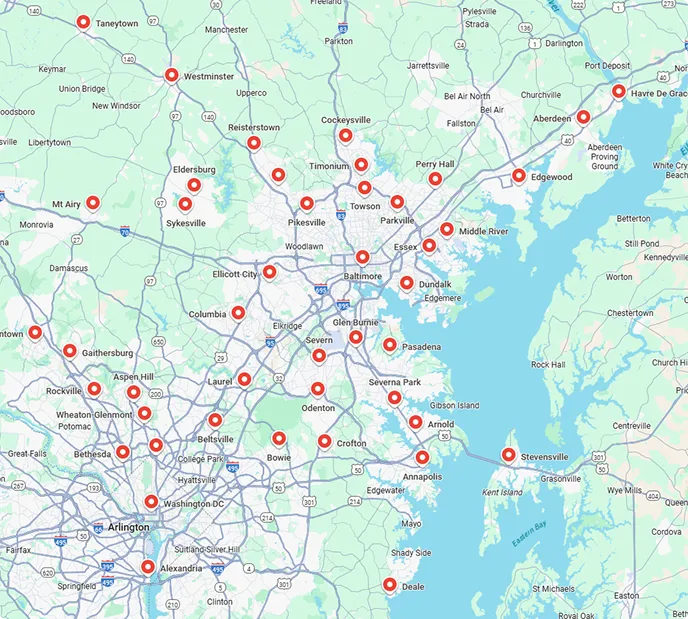
Service areas