

Water Heater Repair in Westminster, MD
A reliable hot water supply is essential for comfortable homes in Westminster, MD. Cold winters, older housing stock, and local water quality can accelerate wear on water heaters, turning a simple inconvenience into a home emergency. Tario HVAC is here to help. We explain the clear signs your water heater needs repair, how tank and tankless systems differ, common fixes and diagnostic steps, expected repair timelines and cost factors, safety considerations, and maintenance tips tailored for Westminster homes.
.webp)
Common signs your water heater needs repair
Recognizing problems early preserves equipment and prevents water damage. Watch for these common indicators:
- No hot water - Complete loss of hot water is the most obvious sign of a malfunctioning heating element, ignition failure, or power/gas supply issue.
- Inconsistent temperatures - Fluctuating or lukewarm water often points to thermostat failure, sediment buildup, or a failing heating element on tank systems.
- Leaks - Drips or puddles around the tank can come from loose fittings, a failed pressure relief valve, or tank corrosion. Any leak requires prompt diagnostic action.
- Strange noises - Popping, rumbling, or banging usually signify sediment accumulating in the tank. Over time this reduces efficiency and speeds corrosion.
- Slow recovery or frequent cycling - If the heater takes far longer to recover or cycles on and off often, it may be short on efficiency due to scale or failing components.
- Discolored or foul-smelling water - Rust-colored water or a rotten-egg smell suggests corrosion inside the tank or bacterial growth in stored water.
Tank vs tankless - how repairs differ
Repairs for traditional tank heaters and tankless (on-demand) systems follow different patterns.
- Tank systems:
- Problems commonly involve the heating element, thermostat, pressure relief valve, drain valve, and anode rod.
- Sediment buildup in the bottom of the tank causes noise, reduces heat transfer, and promotes corrosion.
- Leaks often require component replacement and sometimes full tank replacement if corrosion is advanced.
- Tankless systems:
- Common issues include ignition failures, scale buildup on the heat exchanger, flow sensor failures, and blocked burners.
- Diagnostics often include flushing to remove scale and checking gas pressure or electrical supply.
- Repairs can be more technical but may restore efficiency without replacing the entire unit.
Common fixes explained
Understanding likely solutions helps set expectations for repair decisions.
- Thermostat replacement or calibration - Restores accurate temperature control and can fix inconsistent water temperatures.
- Heating element replacement - A common repair on electric tank heaters; restoring this component returns full heating capacity.
- Pilot/ignition system service - For gas units and tankless models, troubleshooting the pilot light, ignition module, or gas valve resolves many no-heat issues.
- Pressure relief valve replacement or testing - Ensures the system can safely relieve excess pressure; a leaking PRV should be replaced promptly.
- Sediment flush and anode rod replacement - Flushing the tank and replacing a depleted anode rod slows corrosion, reduces noise, and improves efficiency.
- Heat exchanger descaling (tankless) - Removing scale restores flow and heat transfer efficiency for on-demand units.
- Leak repair - Tightening connections, replacing drain valves, or addressing localized corrosion can stop leaks; widespread tank corrosion usually means replacement is recommended.
Diagnostic steps a technician will take
A professional diagnostic approach isolates the problem efficiently:
- Visual inspection for leaks, rust, and obvious damage.
- Verify power or gas supply and thermostat settings.
- Check temperature output at multiple fixtures and test recovery time.
- Drain a portion or the whole tank to examine sediment and test the drain valve.
- Test heating elements or the burner/ignition system depending on fuel type.
- Pressure and safety valve checks, and combustion analysis for gas units when needed.
- For tankless units, run a descaling and examine flow sensors and error codes.
Expected repair timelines and cost factors
Timelines
- Minor repairs like thermostat or heating element replacement typically take under a few hours.
- Moderate repairs, such as descaling a tankless unit or replacing multiple components, can take several hours to a day.
- Complex situations that require a new unit, ordered parts, or permit work may extend to multiple days.
Cost factors to consider (no price figures provided)
- Age and condition of the existing unit - older, heavily corroded tanks are less economical to repair.
- Type of system - tankless systems often require specialized parts and skills.
- Parts availability - some models require special-order components that extend timelines.
- Accessibility and installation complexity - cramped utility closets or poorly accessible units increase labor time.
- Fuel type and safety requirements - gas systems require combustion and venting checks; electric systems may need breaker or wiring work.
- Local codes and permit requirements in Westminster and Carroll County that affect replacement procedures.
Safety considerations
Safety must guide every repair decision.
- For gas units, ensure proper ventilation and have combustion safety verified to prevent carbon monoxide risks.
- Electric systems should be de-energized before any components are serviced to avoid shock hazards.
- A malfunctioning pressure relief valve or a blocked system can create dangerous pressure; never bypass a PRV.
- Scald risk increases with higher thermostat settings. The recommended safe setting balances comfort and safety.
- Visible corrosion or a bulging tank indicates imminent failure and presents a flood risk.
Maintenance tips to extend system life in Westminster homes
Regular maintenance reduces repair frequency and prolongs system life, especially in Maryland conditions.
- Annual tank flush to remove sediment, or more frequently if your water is hard.
- Inspect and replace the anode rod every few years to prevent internal corrosion.
- Test the pressure relief valve annually to confirm it opens freely.
- Set thermostat to 120 degrees Fahrenheit to limit scale formation and reduce scald risk.
- Consider a water softener or scale inhibitor if your home has hard water to protect tank and tankless heat exchangers.
- Insulate older tanks and hot water pipes to improve efficiency and reduce recovery demands during winter.
- Schedule periodic professional inspections, especially for gas-fired systems, to verify safe operation.
Benefits of prompt repair in Westminster, MD
Addressing water heater problems quickly avoids water damage to carpets and hardwood, reduces energy waste, and preserves system lifespan. In Westminster winters, a dependable hot water supply is not just a convenience but a necessity for home comfort and safe daily routines.
Q: How do I know if my tankless unit just needs a flush or a part replaced?
A: A technician will check error codes, flow rates, and perform a scale inspection; if heavy scale is present a flush often restores performance, while persistent ignition or sensor errors usually require part replacement.
Q: Is it worth repairing an older tank heater with small leaks?
A: Small leaks can indicate internal corrosion. If the tank itself is corroded, repairs are temporary. Consider the unit age and extent of corrosion to decide between repair and replacement.
Q: How often should I have maintenance performed in Westminster?
A: Annual maintenance is recommended for most systems; homes with hard water or heavy use may benefit from checks every 6 months.
Q: Are gas water heater issues dangerous?
A: Gas-related problems like poor combustion, leaks, or blocked vents can present carbon monoxide and fire risks. Only qualified professionals should service gas components.
Q: Will regular maintenance lower my energy bills?
A: Yes. Removing sediment, replacing worn components, and maintaining correct temperature settings improve efficiency and reduce fuel or electricity use over time.

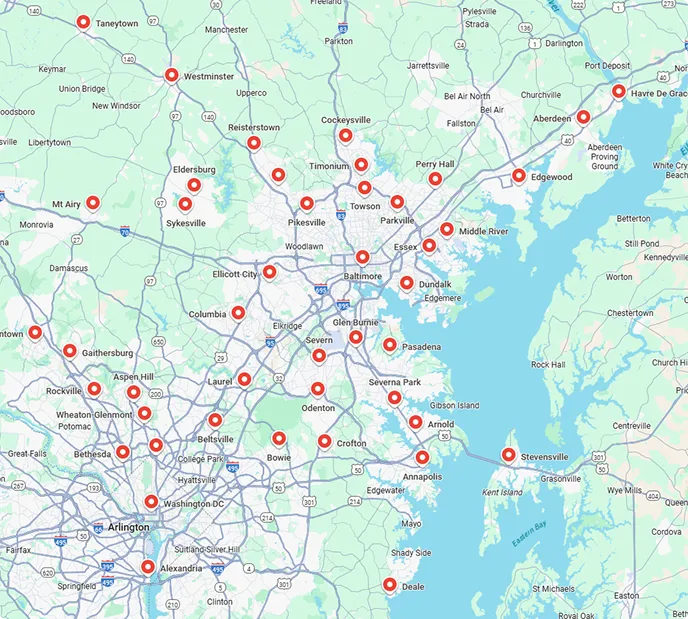
Service areas